Ladakh Holds First Panchayat and Municipal Elections Since 2019 Reorganization
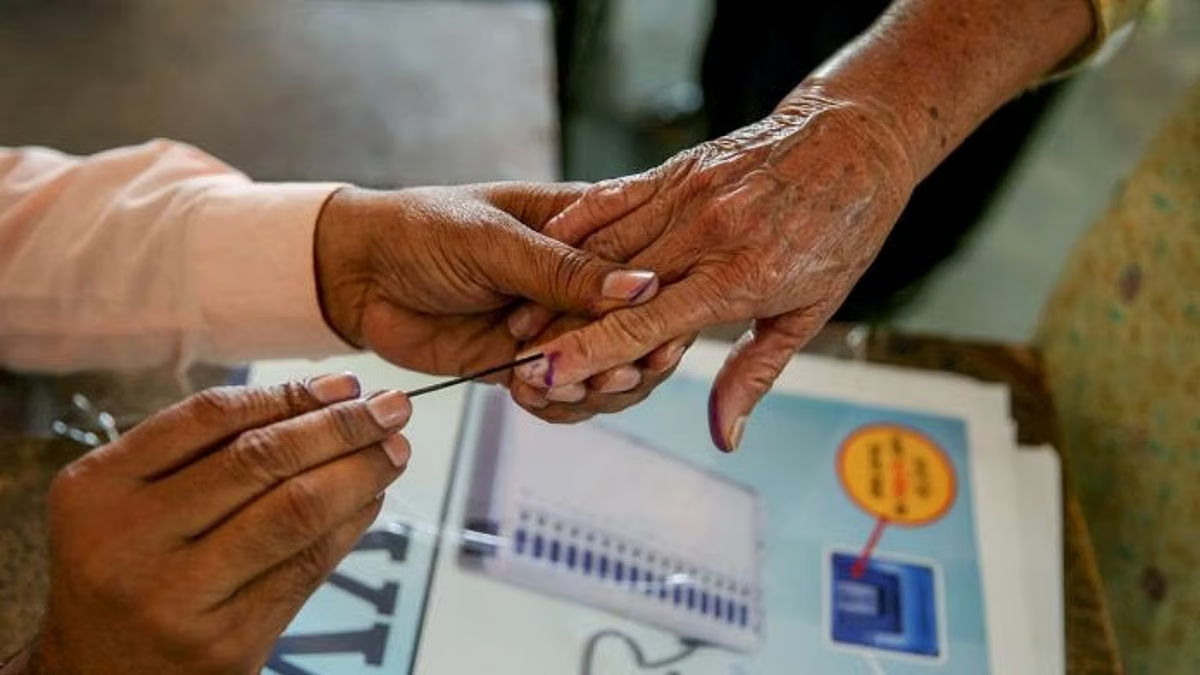
Voters across Ladakh cast ballots on Saturday in the region's first panchayat and municipal elections since becoming a Union Territory in 2019, restoring local civic governance amid freezing weather.
In this piece
Ladakh held its first municipal and panchayat elections since the 2019 reorganization on Saturday, opening polling booths across Leh and Kargil. The polls mark…
Voters across the Union Territory of Ladakh headed to polling booths on Saturday to participate in the region's first panchayat and municipal elections since its political reorganization in August 2019. The electoral exercise restores grassroots democratic representation to the high-altitude territory after years of direct central administration. Polling began in the morning across both rural and urban constituencies under heightened administrative oversight.
Election officials opened voting booths at 8:00 AM across the cold-desert region, with voting scheduled to conclude at 5:00 PM. Polling personnel and local authorities established elaborate security arrangements to ensure smooth procedures despite challenging terrain. Sub-zero morning temperatures and severe early-winter conditions tested voters and organizers across high-elevation habitations.
In the urban sector, polling covered all 21 wards of the Leh Municipal Council, drawing active voter turnout across the district headquarters. In neighboring Kargil, voting proceeded in 13 of the 17 municipal wards. Candidates in the remaining four Kargil wards had already been declared winners without opposition after no rival nominations were filed.
Unlike the rural panchayat segments, municipal contests in Ladakh are fought along formal political party lines, bringing established regional and national organizations into direct competition. Candidates campaigned vigorously on issues surrounding basic urban amenities, civic planning, waste management, and infrastructure development in growing townships. The return of municipal leadership ends an extended period of bureaucratic oversight over civic matters.
The rural tier of governance saw elections organized on a strictly non-party basis across 192 panchayat halqas. While 55 sarpanch posts were settled unopposed before polling began, voting proceeded for the remaining 137 village council head positions. A significant portion of the panch seats was also decided without a contest, with 1,186 of 1,428 members confirmed unopposed across various village wards.
Saturday's vote represents the first grassroots electoral exercise conducted in Ladakh in eight years. The previous round of municipal and panchayat elections took place in late 2018, when Ladakh was still an administrative division of the erstwhile state of Jammu and Kashmir. The region was subsequently separated and designated a Union Territory without a legislative assembly following parliamentary legislation in August 2019.
The revival of local democratic processes unfolds against a backdrop of prolonged socio-political mobilization across the cold desert. Civil society coalitions, notably the Leh Apex Body and the Kargil Democratic Alliance, have staged demonstrations and held dialogues seeking statehood, an elected assembly, and tribal protections under the Sixth Schedule of the Indian Constitution. While both groups maintained neutrality regarding individual candidates in this poll, their campaign has kept regional identity at the forefront of public discourse.
Administrative preparations also navigated recent friction with regional bodies over the broader election calendar. The Leh Apex Body had previously voiced concerns regarding the timing of electoral exercises, even demanding the deferment of upcoming hill council polls scheduled for next month. Despite those political tensions, local voters turned out to choose community representatives capable of handling day-to-day administrative affairs.
The restoration of these local bodies carries substantial practical importance for everyday governance in Ladakh's isolated valleys. Panchayat representatives and municipal councillors will manage rural employment programs, village-level funds, and primary public works projects that stalled or relied heavily on appointed officials during the hiatus. For many remote communities, village sarpanchs remain the principal link between residents and the territorial administration.
With polling concluded, counting of ballots will finalize the composition of village panchayats and municipal councils across the region. Local observers will closely watch whether newly empowered civic representatives can bridge administrative gaps under the Union Territory structure. The newly formed local leadership will also operate under the shadow of ongoing discussions concerning Ladakh's constitutional future and political autonomy.
Primary source: Google News Ladakh. Newzly rewrites and structures source reporting for clarity; verify critical details at the original.