Leonid Meteor Shower Set to Light Up Night Skies Through Late November
The annual Leonid meteor shower begins this weekend, offering skywatchers an extended opportunity through the end of November to spot some of the fastest and brightest meteors of the year.
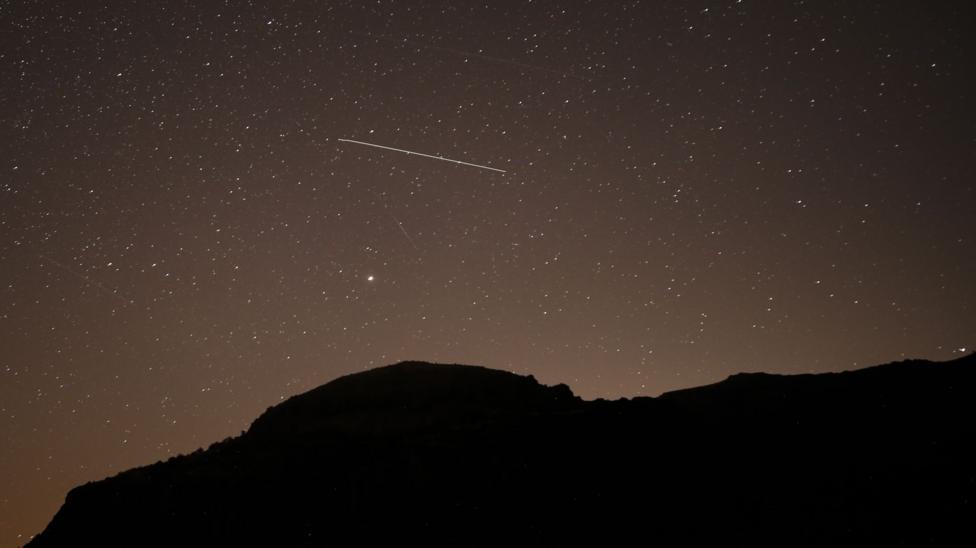
The Leonid meteor shower, recognized as one of the year's most prominent celestial events, is scheduled to begin this weekend and will remain active through the end of November, according to reporting from BBC Science. The annual display is widely anticipated by amateur astronomers and casual skywatchers seeking a glimpse of its notably bright and fast-moving meteors.
Astronomical observers highlight that the Leonids stand out on the seasonal calendar for the characteristic speed and luminance of the streaks they produce across the upper atmosphere. Although activity officially kicks off over the coming days, meteor rates and visibility are expected to evolve as Earth traverses the broader debris field across the middle and later stages of the month.
Meteor showers take place when Earth intersects trails of cosmic dust and fragmented matter suspended in space along orbital pathways. As these minute fragments collide with Earth's atmosphere at extreme velocities, friction generates intense heat, vaporizing the particles and producing the luminous trails commonly referred to as shooting stars.
The Leonids have earned a reputation among stargazers for producing meteors that travel at exceptional speeds, often leaving luminous ion trains that can linger briefly in the night sky. These brief yet vivid displays make the shower a popular target for night-sky photographers and community astronomy clubs seeking compelling seasonal observation targets.
Viewing conditions will remain a deciding factor for anyone hoping to spot meteors over the course of the multi-week event. Overcast conditions, fog, and pervasive urban light pollution represent the most common impediments, prompting skywatchers to seek open viewing areas with unobstructed horizons and minimal ambient lighting.
The phase and position of the moon will also shape the quality of viewing opportunities throughout mid-to-late November. When the lunar disc is brightly illuminated or positioned high in the night sky, faint meteors can easily be obscured by the wash of ambient moonlight, making darker intervals between moonrise and moonset particularly advantageous.
General skywatching guidance emphasizes that specialized optical gear, including telescopes and binoculars, is not required and can even hinder the viewing experience. Because meteors can flash unexpectedly across any quarter of the sky, naked-eye viewing provides the expansive perspective necessary to detect sudden streaks as they appear.
Astronomers typically advise prospective observers to dress warmly and dedicate at least twenty to thirty minutes to allowing their eyes to adapt fully to the dark. Avoiding digital screens and white flashlights during this adjustment period helps preserve night vision, maximizing the likelihood of catching fainter meteors during brief viewing sessions.
With the Leonid shower set to continue through the end of November, prospective viewers will have repeated opportunities to coordinate observing sessions around local clear-sky forecasts. As the event gets underway this weekend, skywatchers worldwide will be looking upward, hopeful for favorable weather and clear horizons to witness one of autumn's defining natural spectacles.
Primary source: BBC Science. Newzly rewrites and structures source reporting for clarity; verify critical details at the original.