How Climate Change Worsens Heatwaves, Droughts, Wildfires, and Floods
Rising global temperatures are driving a marked surge in the intensity and frequency of extreme weather, worsening heatwaves, severe droughts, destructive wildfires, and catastrophic floods worldwide.
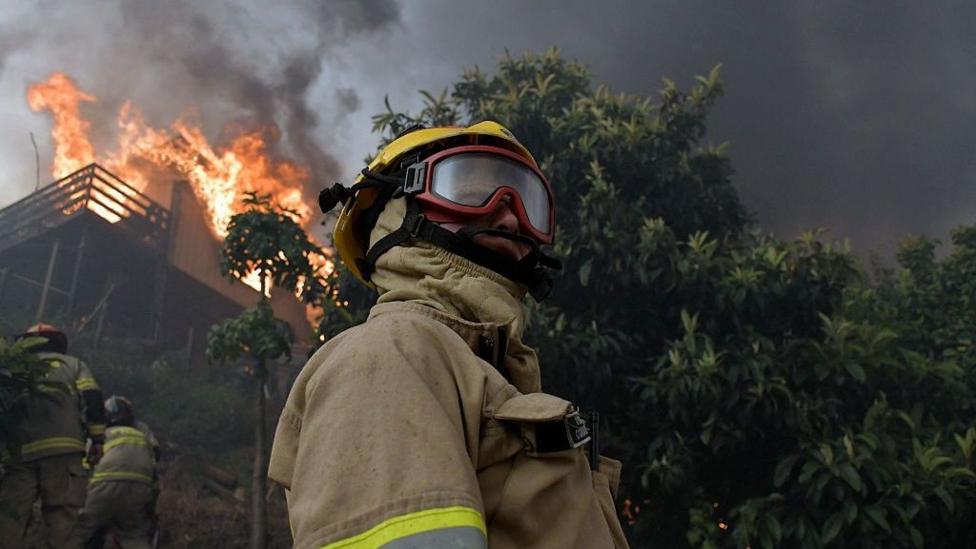
Rising global temperatures driven by climate change are significantly altering weather patterns worldwide, making extreme events such as heatwaves, droughts, wildfires, and floods both more frequent and more severe. According to reporting from BBC Science, the overarching warming trend continues to accelerate disruptions across Earth's climate systems. Scientists warn that these shifts are no longer isolated anomalies but consistent indicators of a warming planet.
At the heart of these escalating hazards is the fundamental thermodynamic relationship between heat and moisture. As average planetary temperatures climb, atmospheric dynamics undergo sustained changes that destabilize conventional weather regimes. Longer and hotter dry spells emerge alongside sudden, concentrated downpours, demonstrating how interconnected climate mechanisms amplify localized risks.
Heatwaves represent one of the most immediate and visible manifestations of this persistent temperature rise. Prolonged heat domes and high-pressure systems trap hot air over landmasses for extended periods, pushing regional records upward. These conditions strain public health infrastructures, degrade urban air quality, and sharply increase peak energy demands for cooling.
The intensification of heat directly feeds into the mechanics of severe droughts. Warmer air increases evaporation rates from soils, vegetation, reservoirs, and surface waters, leaving agricultural regions and natural ecosystems parched. Even in areas that receive standard levels of seasonal precipitation, higher baseline temperatures reduce overall water availability by speeding up runoff and moisture loss.
Drier terrain and desiccated vegetation subsequently create prime conditions for catastrophic wildfires. When combined with strong winds and extended dry periods, forests and grasslands become receptive fuel beds where blazes ignite more easily and spread with greater velocity. Firefighting agencies face longer and more unpredictable wildfire seasons that challenge containment resources and threaten inhabited interfaces.
Conversely, warming temperatures also compound the severity of extreme rainfall and subsequent flooding. A warmer atmosphere holds more water vapor, roughly seven percent more moisture for every degree Celsius of warming according to atmospheric physics. When storm systems develop over saturated air masses, they release deluge-level precipitation over concentrated geographic areas within brief windows of time.
These intense downpours often overwhelm river basins, rural drainage corridors, and municipal stormwater systems that were designed around historical weather baselines. The resulting flash floods inundate transit networks, damage critical infrastructure, and pose acute hazards to vulnerable communities. Coastal settlements face compounded risks when excessive precipitation collides with elevated sea levels and storm surges.
The compounding nature of these phenomena poses complex challenges for emergency managers, agricultural producers, and urban planners globally. Consecutive or overlapping climate impacts, such as heavy rain falling on wildfire-scarred slopes, frequently trigger secondary disasters like mudslides and debris flows. Communities must navigate compounding economic costs as disaster recovery efforts intersect with escalating insurance losses.
Mitigation and adaptation measures remain central to international efforts aimed at curbing further systemic disruption. Policy specialists and environmental scientists emphasize that slowing emissions growth is essential to stabilize global temperatures and temper future extremes. At the same time, regional authorities are accelerating investments in climate-resilient civil infrastructure, flood barriers, and advanced early warning networks.
Moving forward, climate researchers note that the trajectory of extreme weather will largely depend on collective progress in reducing greenhouse gas emissions over coming decades. While adaptation can mitigate certain localized impacts, fundamental shifts in weather volatility will persist as long as planetary temperatures remain elevated. Observers stress that updating hazard forecasting models and expanding disaster preparedness frameworks will be critical to safeguarding vulnerable populations.
Primary source: BBC Science. Newzly rewrites and structures source reporting for clarity; verify critical details at the original.