Lifestyle report frames a reader’s anxiety about looking older
A Divya Bhaskar lifestyle item puts a reader’s worry in direct terms: a changing body, hair loss, and comparison with younger people, and the question of how to accept growing older.
In this piece
Divya Bhaskar’s lifestyle desk carries a reader’s question about visible aging, from a stomach that seems to stick out and falling hair to a face that looks…
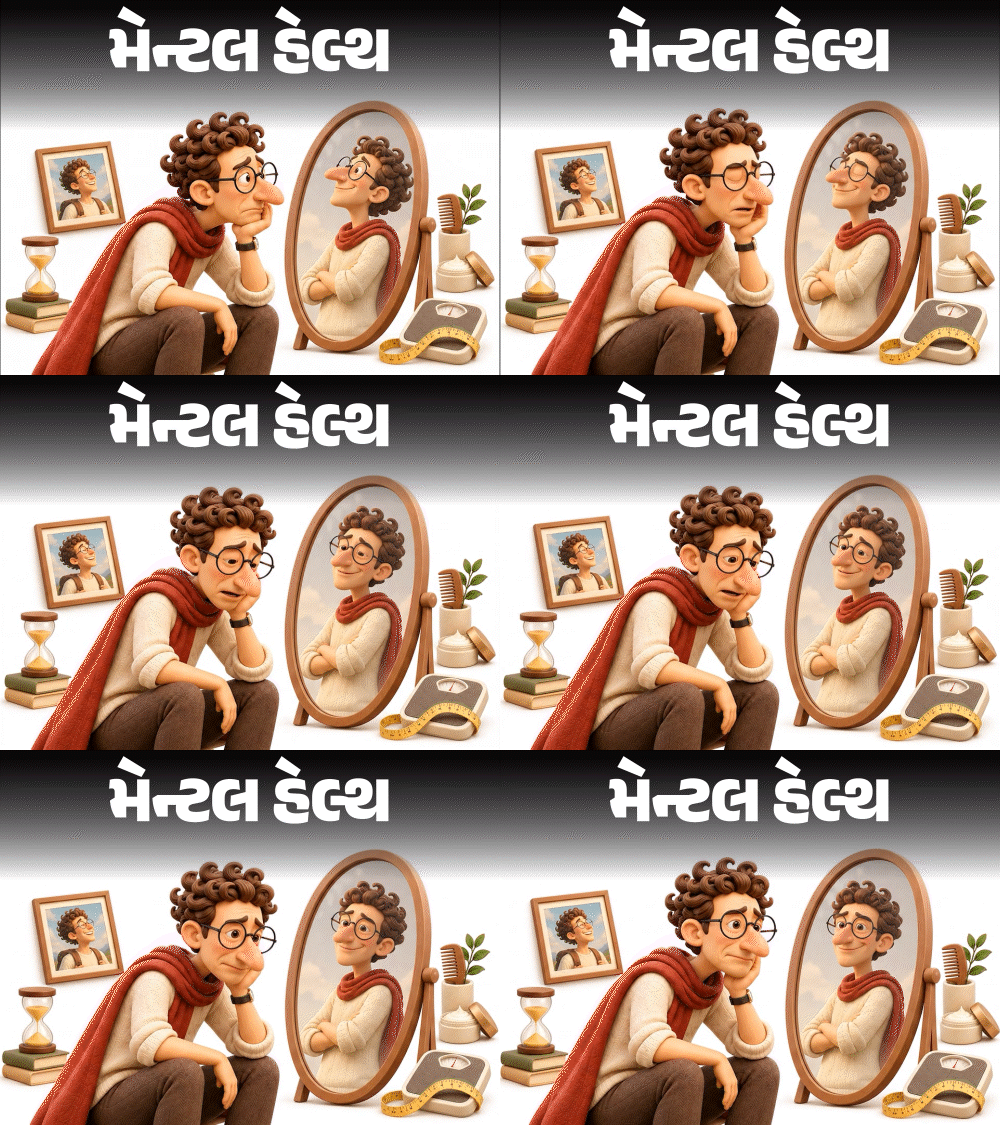
A Divya Bhaskar lifestyle report opens with a reader’s worry stated in everyday language. The stomach seems to be sticking out, hair is falling, and age is starting to show on the face. The same question asks how a person who keeps comparing themselves with younger people is supposed to accept growing older.
The piece sits on the outlet’s lifestyle desk and is framed as a concern about aging rather than as a reported medical case. The web address associated with the item refers to mental-health expert advice and includes the name Dron Sharma. The body of that advice was not part of the material available for this article, so this account does not quote the expert, list credentials, or describe any specific counseling steps.
What the headline does establish is the set of changes the reader is watching. A fuller midsection, thinning hair, and a face that looks older are treated as signs that time is visible. Those signs are then set beside the appearance of younger people, and the comparison itself is part of the distress.
The question is therefore about more than grooming or weight. It asks whether those changes can be lived with when the mind keeps measuring them against people who still look young. Acceptance is posed as the problem to be solved, not as a slogan already answered in the headline.
Aging anxiety is a broad term used in mental-health writing for distress about getting older, including fear that appearance, stamina, or social ease will slip. This Divya Bhaskar item does not, in the material at hand, attach a new study, a prevalence number, or a clinical definition to that worry. Any wider discussion of how common the feeling is would be context, not a finding from this report.
Hair thinning and a changing waistline are widely recognized experiences of adulthood, and they do not arrive on the same schedule for everyone. The headline treats them as reasons someone might feel suddenly older. It does not describe a diagnosis, a timeline, or a medical cause, and sudden or severe physical change is a separate question for a clinician, not one this summary can answer.
Comparing oneself with younger people can make ordinary change feel like falling behind. Mental-health commentary often notes that such comparisons are selective: people notice the traits they are already afraid of losing, and they notice them in others who are at a different stage of life. That is a general description of comparison, not a result attributed here to the Divya Bhaskar expert.
The stakes are practical. Worry about looking older can color mood, confidence in social settings, and choices about food, exercise, or cosmetic fixes. Because the expert’s comments are not in the source text used here, it is not possible to say whether the published advice leans toward self-acceptance, habit change, professional care, or some mix of those.
Nothing in the available material describes an individual patient’s history, a treatment plan, or a measured outcome. Readers who want personal guidance would need the full Divya Bhaskar article or a qualified clinician who can hear the details the headline does not contain.
The item’s forward look is embedded in the question it asks. It treats acceptance of aging as something a person might learn, and it routes that question toward mental-health expertise named in the report’s presentation. Until those comments can be read in full, the firmest summary is the one the headline already gives: body changes are being noticed, comparison with younger people hurts, and the ask is how to live with growing older.
Primary source: Divya Bhaskar Lifestyle. Newzly rewrites and structures source reporting for clarity; verify critical details at the original.