Live Gold Rates in Haryana Track 18K, 22K, and 24K Purities
Financial platforms including Kotak Neo tracked live gold rates across Haryana on Sunday, offering retail benchmarks across 18-karat, 22-karat, and 24-karat purities as consumers and jewelers monitor precious metal valuations.
In this piece
Live gold prices across Haryana were monitored on Sunday, providing updated benchmarks for 18-karat, 22-karat, and 24-karat purities via platforms including…
Retail gold prices across Haryana came under active review on Sunday as financial tracking platforms, including Kotak Neo, monitored live benchmark rates across 18-karat, 22-karat, and 24-karat purities. Daily bullion tracking provides consumers, jewelers, and institutional market participants across the state with updated reference points for physical transactions. The updates reflect ongoing movements in domestic precious metal indices at the close of the weekend trading cycle.
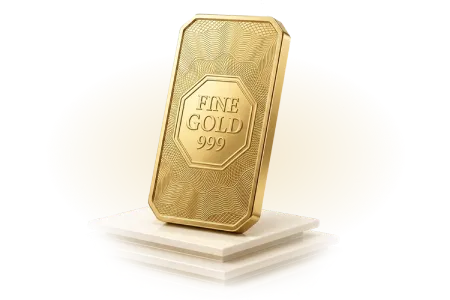
Market platforms systematically segment domestic gold prices by purity to accommodate varied commercial and consumer needs. Twenty-four-karat gold represents the purest standard available to buyers and is primarily traded in the form of investment bars, ingots, and minted coins. In contrast, 22-karat and 18-karat varieties incorporate minor alloy mixtures to provide the structural durability necessary for intricate jewelry craftsmanship.
In Haryana, retail bullion quotations generally follow nationwide benchmarks established by primary commodity hubs while reflecting minor regional adjustments. Local jeweler associations, transportation expenses, and supply dynamics within district markets can introduce modest price variations between major commercial hubs like Gurugram and northern agricultural belts. These differentials ensure that published rates reflect local dealer operating conditions.
The underlying valuation of precious metals in Indian markets depends heavily on international macroeconomic drivers and currency valuations. Global spot gold prices, foreign exchange fluctuations between the Indian rupee and the United States dollar, and national import tariff structures serve as primary determinants of domestic baseline costs. Changes in global central bank policies and broader geopolitical tensions regularly influence these baseline figures.
Beyond the raw commodity rate, consumer transactions at the retail level include specific statutory and fabrication charges. End-consumer billings typically incorporate the mandatory three percent Goods and Services Tax, alongside hallmarking charges that certify metal purity. Showrooms also apply variable making charges depending on design complexity, craftsmanship techniques, and individual retailer pricing policies.
Gold maintains an enduring cultural and financial role throughout Haryana, serving as both a primary store of household wealth and an essential element of festive occasions. Demand trends across urban and rural markets typically surge during major cultural celebrations and the winter marriage season. Consequently, reliable daily price tracking enables households to plan significant purchases in alignment with market fluctuations.
In addition to traditional physical ornaments and bullion, the tracking of daily spot rates increasingly guides modern retail investment decisions. Consumers evaluating sovereign gold schemes, exchange-traded commodity funds, and digital gold vehicles rely on daily benchmark disclosures to assess their portfolio allocations. These regulated financial products track the movement of physical bullion without requiring direct vaulting or physical custody.
Financial advisors continue to emphasize the importance of due diligence when consumers navigate retail jewelry and bullion markets. Buyers are urged to confirm Bureau of Indian Standards hallmark certifications, which guarantee purity standards across 18-karat, 22-karat, and 24-karat purchases. Clear invoicing that separates metal value, making charges, and applicable tax remains standard guidance for protecting consumer interests.
Looking ahead, market participants anticipate that domestic gold quotations will remain sensitive to global economic indicators and currency market liquidity as the new trading week opens. Stakeholders across Haryana's retail jewelry sector will watch for fresh updates from primary commodity exchanges and central banking commentary to gauge near-term pricing momentum. Continued transparency from tracking platforms will help buyers navigate evolving market trends.
Primary source: Google News Haryana. Newzly rewrites and structures source reporting for clarity; verify critical details at the original.