London Tube Drivers to Stage Eight Strikes in Run-Up to Christmas
London Underground drivers in the RMT union will stage eight 24-hour strikes over 16 days, threatening severe holiday travel chaos in a dispute over a four-day week.
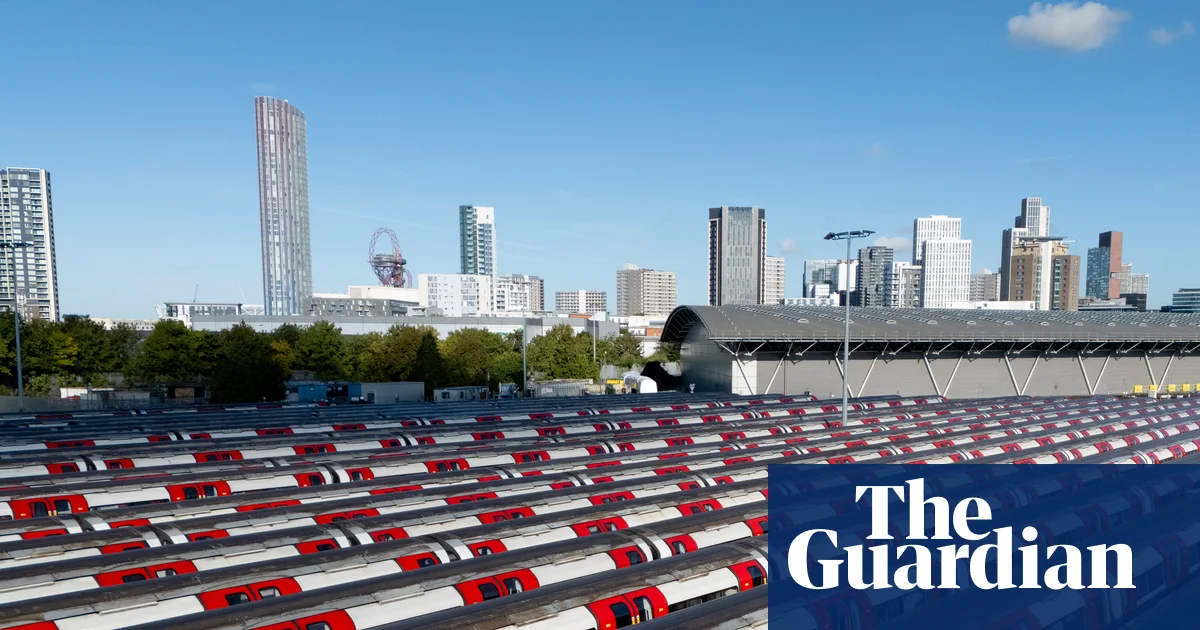
London Underground train drivers represented by the Rail, Maritime and Transport union have announced a major wave of industrial action consisting of eight 24-hour strikes. The planned walkouts will be distributed across a 16-day window, threatening extensive travel disruption across the capital. The industrial campaign is scheduled to begin in late November and extend deep into the winter transit calendar.
Crucially for Londoners, six of the eight designated strike dates fall during the crucial shopping and social weeks leading up to Christmas. The threatened action comes at a pivotal moment for commuters heading to workplaces and holiday shoppers traveling into central districts. Transport authorities face the prospect of severe transit bottlenecks during the busiest weeks of the year.
At the heart of the standoff is opposition from the RMT union to proposals for a four-day working week for Tube train operators. Transport management had introduced the four-day schedule as part of broader operational changes for network staff. However, RMT representatives have formally rejected the plans, prompting the call for coordinated strike action.
The walkout decision reveals a sharp split among transit labor organizations operating on the London Underground network. While RMT drivers are taking a stand against the initiative, the proposal has been warmly welcomed by the majority of London Underground drivers, who are represented by the Aslef union. This divide underscores conflicting views among frontline staff regarding how roster adjustments should be implemented.
Because Underground services rely on tightly coordinated driver schedules, consecutive 24-hour work stoppages across a 16-day span pose significant operational challenges. Even partial driver participation during such walkouts can force widespread line closures, severe service reductions, and extensive station crowding. Commuters navigating the network may encounter recurring schedule uncertainty over consecutive weeks.
The timing of the dispute carries major ramifications for London's commercial and hospitality sectors. Retailers, dining venues, and West End theaters depend heavily on unobstructed evening and weekend travel throughout late November and December. Sustained travel disruption during this critical holiday window risks curbing foot traffic across central retail districts at the height of seasonal spending.
When Tube lines experience reduced capacity or total closures, passenger pressure invariably spills over onto the surrounding surface transit grid. Nearby bus corridors, suburban rail lines, and roadway networks frequently face heavy congestion as hundreds of thousands of daily passengers seek alternative commuting routes. Transport managers must therefore assess whether emergency contingency plans can mitigate the resulting gridlock.
As the initial late-November strike date approaches, the outlook remains dependent on whether transport leadership and union officials can resume dialogue. Without an agreement addressing the terms of the disputed four-day work week, the planned series of walkouts appears poised to proceed. Travelers and businesses across London now brace for an unsettled and challenging run-up to the festive holidays.
Primary source: The Guardian Business. Newzly rewrites and structures source reporting for clarity; verify critical details at the original.