Marching Bands Scramble to Cover Extra Costs After NYC Parade Postponed
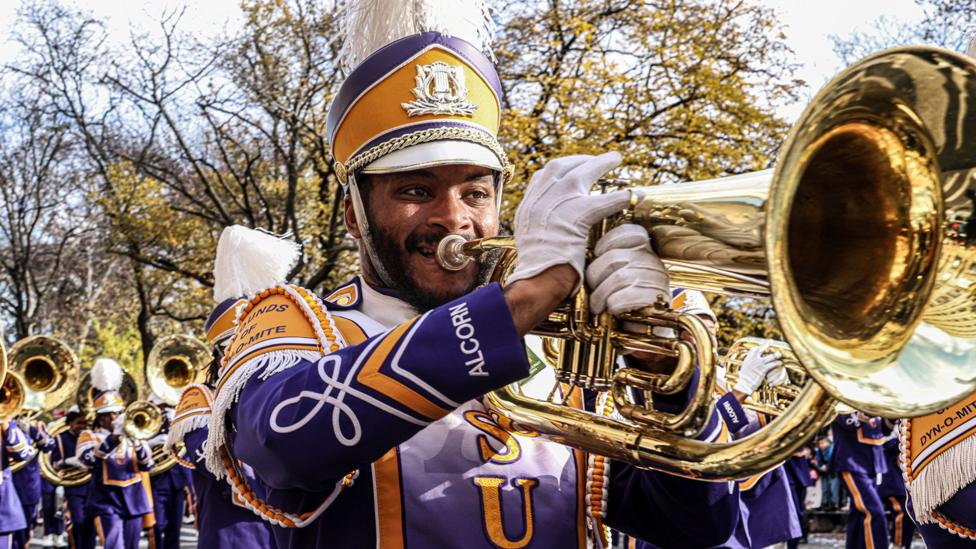
Visiting marching bands faced unexpected logistical hurdles and surging travel costs after stormy weather prompted New York City organizers to delay the annual Macy's parade by two days, stranding student performers across the metropolitan area.
In this piece
Severe weather in New York City forced organizers to postpone the Macy's parade by two days, creating a sudden financial and logistical scramble for visiting…
Visiting marching bands and musical ensembles found themselves caught in an unexpected financial and logistical crunch after severe weather in New York City forced organizers to postpone the annual Macy's parade by two days. The sudden rescheduling left hundreds of student performers, band directors, and chaperones stranded in the metropolitan area as they worked to extend their stays through the weekend.
The postponement followed forecasts of strong winds and heavy rainfall that raised safety concerns along the traditional parade route. While city officials and organizers prioritized public safety by moving the festivities, the decision triggered an immediate scramble for out-of-town youth organizations that had planned tightly budgeted itineraries around the original holiday schedule.
Securing extra nights of accommodation in New York City during a peak holiday weekend represents one of the steepest challenges facing the visiting contingents. Many hotels in Manhattan and neighboring districts were already heavily booked, forcing group leaders to negotiate contract extensions or seek available rooms in surrounding areas on extremely short notice.
Transportation arrangements have posed an equally daunting hurdle for traveling ensembles. Rescheduling chartered flights, commercial airline tickets, and interstate bus services over Thanksgiving weekend is notoriously difficult and cost-prohibitive, especially when managing rosters that frequently exceed several hundred students and support personnel.
For many participating high schools and collegiate programs, participating in the world-famous parade is a culmination of years of community fundraising and personal sacrifices by families. Unplanned costs for food, lodging, and revised transit can quickly tally into hundreds of thousands of dollars for a single large ensemble, creating acute budgetary stress for visiting groups.
In response to the sudden delay, school districts, band booster clubs, and local communities have mobilized emergency fundraising drives to help cover the ballooning deficits. Online crowdfunding appeals and outreach to local business sponsors have become vital lifelines to ensure that student musicians do not lose the opportunity to perform after months of rigorous preparation.
The calendar shift has also presented unavoidable scheduling conflicts for some participants with prior commitments later in the weekend. Band coordinators have had to evaluate whether remaining in New York through the revised parade date is viable, balancing the logistical complications of delayed travel against the disappointment of having to withdraw.
Major outdoor events in New York City regularly face weather-related adjustments, but a multiday postponement of this magnitude is an exceedingly rare event for the storied parade. Organizers have had to balance the immense logistical burden on participants and spectators against the undeniable hazards posed by high winds, particularly for the parade's towering signature character balloons and elaborate decorative floats.
As the rescheduled event approaches, visiting bands continue working alongside tour operators and local supporters to finalize their revised plans. While the sudden upheaval has tested the endurance and resources of student performers and organizers alike, participating musicians remain focused on taking the national stage once conditions finally permit the parade to proceed.
Primary source: BBC US & Canada. Newzly rewrites and structures source reporting for clarity; verify critical details at the original.