world·Kerala·Malappuram District
Medicos Warn of Kidney Damage from Fairness Creams After Kerala Teenager Falls Ill
Doctors in Kerala have sounded the alarm over toxic skin-lightening products after a 17-year-old girl in Malappuram developed a severe kidney disorder linked to mercury-laced cosmetics.
In this piece
Medical specialists in Kerala are warning against unregulated fairness creams after a 17-year-old girl was diagnosed with a severe kidney disorder caused by…
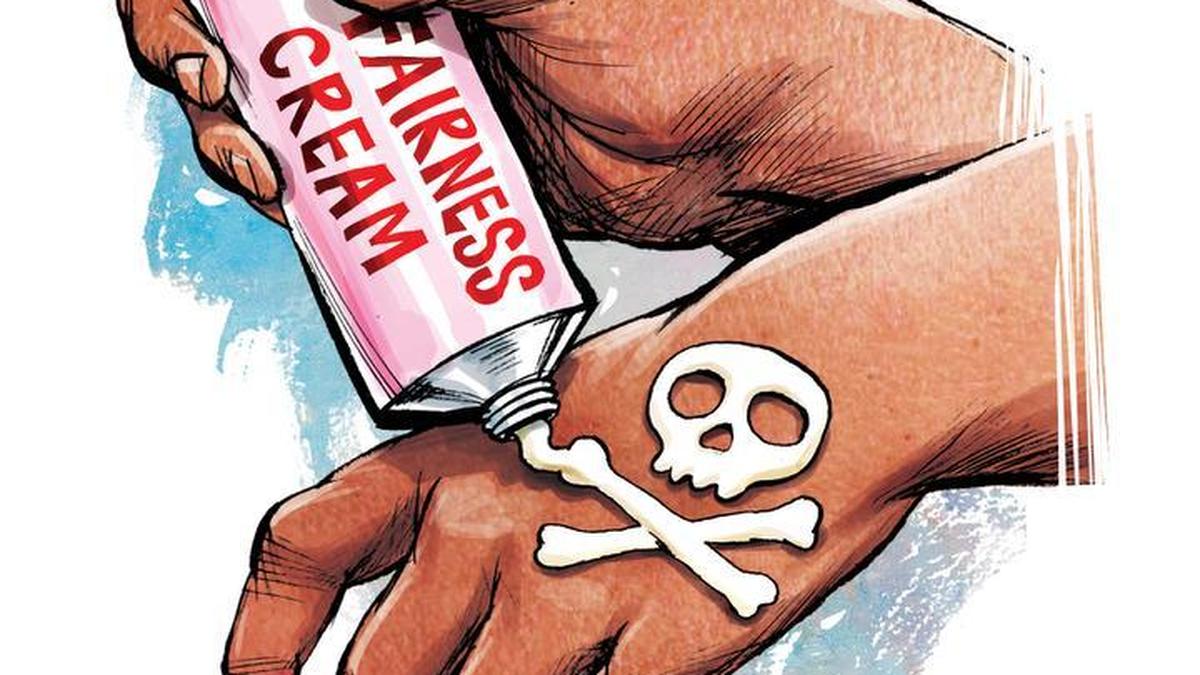
Medical specialists in Kerala have issued an urgent warning against the widespread use of unregulated skin-lightening products after a 17-year-old girl from Malappuram district was diagnosed with a severe kidney disorder linked to mercury poisoning. The teenager developed membranous nephropathy, a serious kidney condition, following the prolonged application of a fairness cream purchased online. Laboratory testing subsequently revealed that the cosmetic product contained extraordinarily high concentrations of toxic mercury.
The young patient was hospitalized after experiencing persistent swelling and other symptoms indicative of renal impairment. Clinical investigations confirmed significant damage to the kidney filters, caused by the systemic absorption of heavy metals through the dermal barrier. Doctors treating the adolescent identified the online cosmetic formulation as the direct source of heavy metal toxicity after routine screenings ruled out underlying hereditary conditions.
According to medical reports, the teenager purchased the product following aggressive promotional campaigns on social media channels promising rapid skin lightening and acne removal. Such products frequently circulate on digital storefronts without formal regulatory approvals or mandatory ingredient disclosures. Chemical analysis of the sample associated with her case revealed mercury levels reaching roughly 12,500 parts per million, vastly exceeding permissible safety thresholds.
Mercury compounds have historically been added illicitly to topical creams because they inhibit melanin production, creating a temporary bleaching effect on the epidermis. However, prolonged dermal exposure allows the toxic element to seep into blood vessels and accumulate progressively in vital organs. In the renal system, mercury damages the delicate glomeruli responsible for cleansing metabolic waste, resulting in heavy protein loss and potentially irreversible tissue scarring.
Nephrologists note that this teenage case is not an isolated phenomenon, but part of a troubling pattern emerging across medical clinics. Dermatologists and kidney specialists report a steady influx of patients presenting with dermatological damage, steroid-induced atrophy, and systemic complications tied to counterfeit cosmetics. The unregulated availability of these concoctions across online marketplaces and messaging apps has made young people particularly vulnerable to predatory marketing.
The persistent craze for fairer skin continues to fuel a lucrative grey market across South Asia despite repeated public health warnings. Manufacturers often package these concoctions in nondescript containers or sell them under benign herbal labels while concealing the presence of harmful chemical agents and steroids. Health advocates emphasize that deep-rooted social biases regarding complexion drive vulnerable teenagers to experiment with hazardous treatments without medical supervision.
The alarming diagnosis prompted the Kerala State Commission for Protection of Child Rights to register a suo motu case to address the proliferation of hazardous cosmetics targeting adolescents. The panel called upon state drug administration officials and police authorities to trace the distribution network responsible for selling the toxic ointment. Child welfare advocates stressed that stricter legal liability must be placed on both unverified sellers and online platforms that facilitate their dissemination.
Enforcing drug control mandates remains difficult due to the decentralized and transient nature of modern e-commerce sales channels. Many distributors operate via direct-to-consumer messaging platforms or short-lived social media accounts, making supply chains hard to intercept before toxic batches reach households. Regulatory bodies face ongoing hurdles in tracking unbranded formulas manufactured in unauthorized makeshift facilities without quality oversight.
Medical professionals have urged the public to immediately cease the application of unauthorized fairness preparations and seek clinical attention if they notice sudden facial swelling, fatigue, or urinary changes. Physicians stress that adolescent patients need counseling on cosmetic safety and scientific skincare rather than reliance on quick-fix bleaching products. Public health officials are expected to intensify market surveillance and public awareness drives to curb the circulation of dangerous heavy-metal formulations.
Primary source: Google News Kerala. Newzly rewrites and structures source reporting for clarity; verify critical details at the original.