Minnesota Wild Eye Alternative Center Targets as Dylan Larkin Talks Stall
With trade discussions for Detroit captain Dylan Larkin reportedly stalled, the Minnesota Wild are evaluating alternative center targets ranging from superstar talent to reliable middle-six depth.
In this piece
As trade talks surrounding Detroit Red Wings center Dylan Larkin stall, the Minnesota Wild are exploring alternative options down the middle. Potential targets…
With trade discussions surrounding Detroit Red Wings captain Dylan Larkin reportedly stalling, the Minnesota Wild are turning their attention toward alternative solutions down the middle. General manager Bill Guerin faces mounting pressure to secure top-tier center depth to complement the team's core and sustain a competitive postseason push.
Speculation had linked Minnesota to Larkin as an ideal franchise fit, but negotiations have encountered significant hurdles. Reports indicate that Detroit has shown reluctance to move their cornerstone pivot to his preferred destination, forcing Minnesota's front office to reevaluate its options across the league.
Among the marquee alternatives identified in recent league analyses is Vancouver Canucks star Elias Pettersson. While Pettersson carries a substantial long-term contract featuring an $11.6 million average annual value, his high-end playmaking and offensive resurgence make him an elite, albeit costly, potential centerpiece for Minnesota.
Another premier name circulating in front-office evaluations is New York Islanders forward Mathew Barzal. Signed to a slightly more manageable $9.15 million annual cap hit, Barzal offers elite skating and puck-control abilities that could instantly ignite Minnesota's transition game and offensive output.
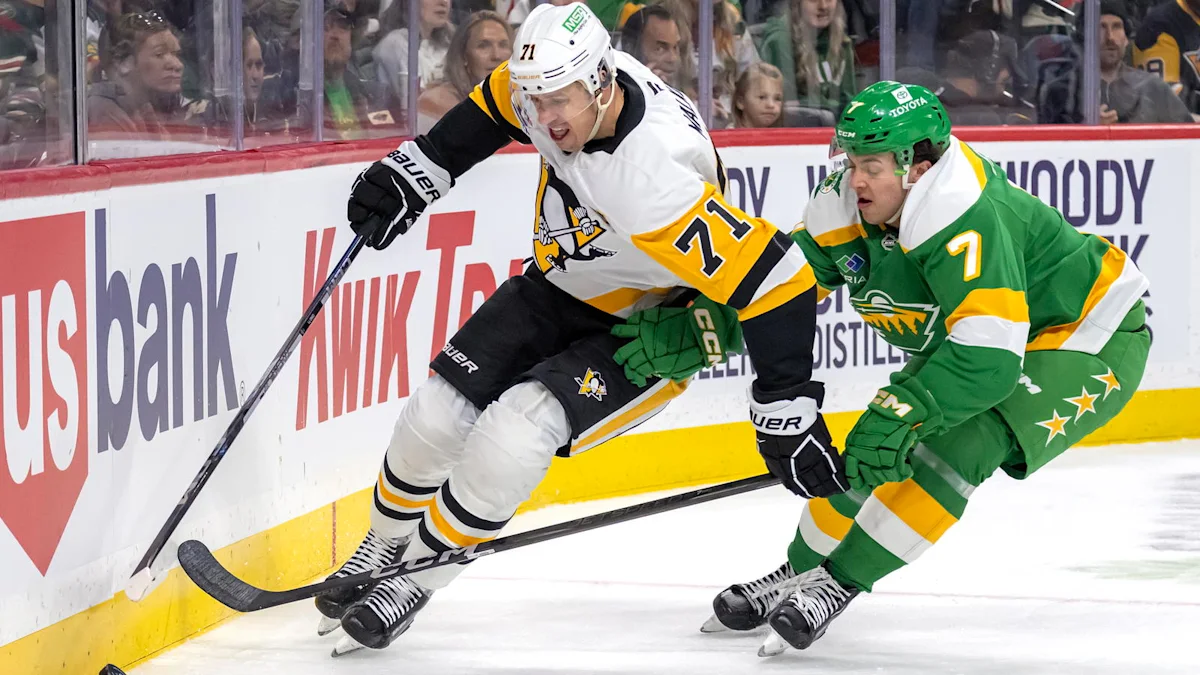
For veteran leadership with proven championship pedigree, the Wild could also explore Pittsburgh Penguins icon Evgeni Malkin if Pittsburgh chooses to pivot toward a rebuild. Guerin shares an established professional history with Malkin from their time together in the Penguins organization, potentially providing a foundation for high-level trade discussions.
The secondary market also includes reliable two-way veterans such as Ryan O'Reilly, whose defensive awareness and postseason credentials remain coveted assets across the league. Boston Bruins forward Pavel Zacha has also emerged as a versatile candidate, possessing the size, positional flexibility, and secondary scoring needed to bolster a top-six forward group.
Should Minnesota choose not to surrender massive packages of future draft picks and top prospects for a superstar, middle-six targets present a more pragmatic path. Philadelphia Flyers forward Morgan Frost represents a younger talent who could thrive with a change of scenery and offensive responsibility.
Other depth targets under consideration include veteran Andrew Copp and Montreal Canadiens forward Kirby Dach. These alternatives offer varying blends of defensive reliability and developmental upside, allowing the Wild to stabilize their bottom six without overextending long-term salary cap resources.
Navigating these potential moves will require careful salary cap balancing by Guerin and the Wild front office. While the impending expiration of past buyout penalties will eventually grant Minnesota greater financial freedom, matching current salaries in mid-season deals remains an intricate puzzle.
As the NHL trade deadline approaches, Minnesota's strategy will largely depend on the asking prices established by rival front offices and the standings landscape. If a blockbuster deal for a top-tier center remains out of reach, hockey analysts expect the Wild to remain aggressive in pursuing cost-effective depth to solidify their lineup for the spring.
Primary source: Google News Minnesota. Newzly rewrites and structures source reporting for clarity; verify critical details at the original.