MPs warn Sizewell C funding deal exposes taxpayers to heavy risks
The Public Accounts Committee says Sizewell C could cost almost £48 billion, warning that its financing arrangements expose taxpayers and energy customers to substantial costs extending across decades.
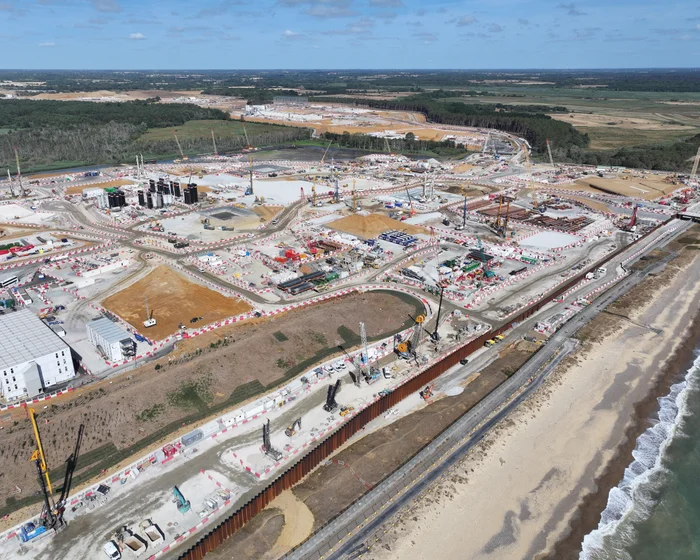
Britain’s plan to finance the Sizewell C nuclear power station exposes taxpayers and energy customers to substantial financial risks, MPs on the Public Accounts Committee have warned. The committee’s assessment puts renewed scrutiny on how the Suffolk project divides the costs of building new nuclear capacity between the public and private investors.
According to the supplied Guardian report, MPs warned that construction costs could approach £48 billion. Billpayers could face an additional £9.8 billion contribution towards construction before 2040, followed by a further £12 billion over the plant’s planned 60-year operating life. These figures describe potential exposure rather than costs already incurred.
The committee’s published announcement puts the expected construction cost between £40.5 billion and £47.7 billion, with completion anticipated between 2039 and 2043. That range leaves uncertainty over both the eventual bill and when electricity generation will begin. The financial implications therefore extend beyond the immediate construction programme.
The government approved the final investment decision on 22 July 2025, confirming an initial 44.9% shareholding that made it the largest equity investor. Its announcement described a construction target of around £38 billion in 2024 prices. That target and the committee’s cost range should not automatically be treated as directly comparable measures without accounting for their underlying assumptions.
Other investors include EDF, Centrica, La Caisse and Amber Infrastructure. The government said at approval that construction costs would be shared among taxpayers, consumers and private investors. Public participation consequently involves both government investment and contributions collected through energy bills, rather than a funding arrangement borne solely by commercial shareholders.
The project’s financing uses a regulated asset base model, supported by a government protection package, according to its summary business case. Ministers argue that the structure encourages efficient delivery while providing safeguards for consumers. The committee’s criticism centres on whether the resulting allocation of financial risk gives sufficient protection to the public.
The government’s case for Sizewell C rests partly on its expected contribution to electricity supply. Its investment announcement said the station would generate enough power for the equivalent of six million homes and could produce average electricity-system savings of £2 billion annually once operational. Those are projected benefits, not savings households are receiving during construction.
The committee also links the financing terms to Britain’s record of delivering nuclear projects. Sizewell C uses a reactor design already deployed internationally and being used at Hinkley Point C. MPs argue that successful delivery would strengthen the government’s position when negotiating future nuclear investments and help distribute risks more fairly.
The central issue is therefore not simply whether Sizewell C can generate electricity, but whether its eventual benefits justify the public’s financial commitment. Construction performance, financing costs and the timing of completion will shape that assessment. The committee says delivering the station on time and within budget is essential if the government is to secure better terms for future projects.
Primary source: The Guardian Business. Newzly rewrites and structures source reporting for clarity; verify critical details at the original.