Mumbai CNG Prices Hiked by ₹1.50 to Reach ₹91.50 per Kilogram
CNG prices in Mumbai have risen by ₹1.50 per kilogram to ₹91.50, marking the eighth rate increase this year and pushing cumulative gains over 11 months to ₹11.
In this piece
Retail CNG prices in Mumbai have climbed to ₹91.50 per kilogram following a ₹1.50 price increase effective today. The revision represents the eighth upward…
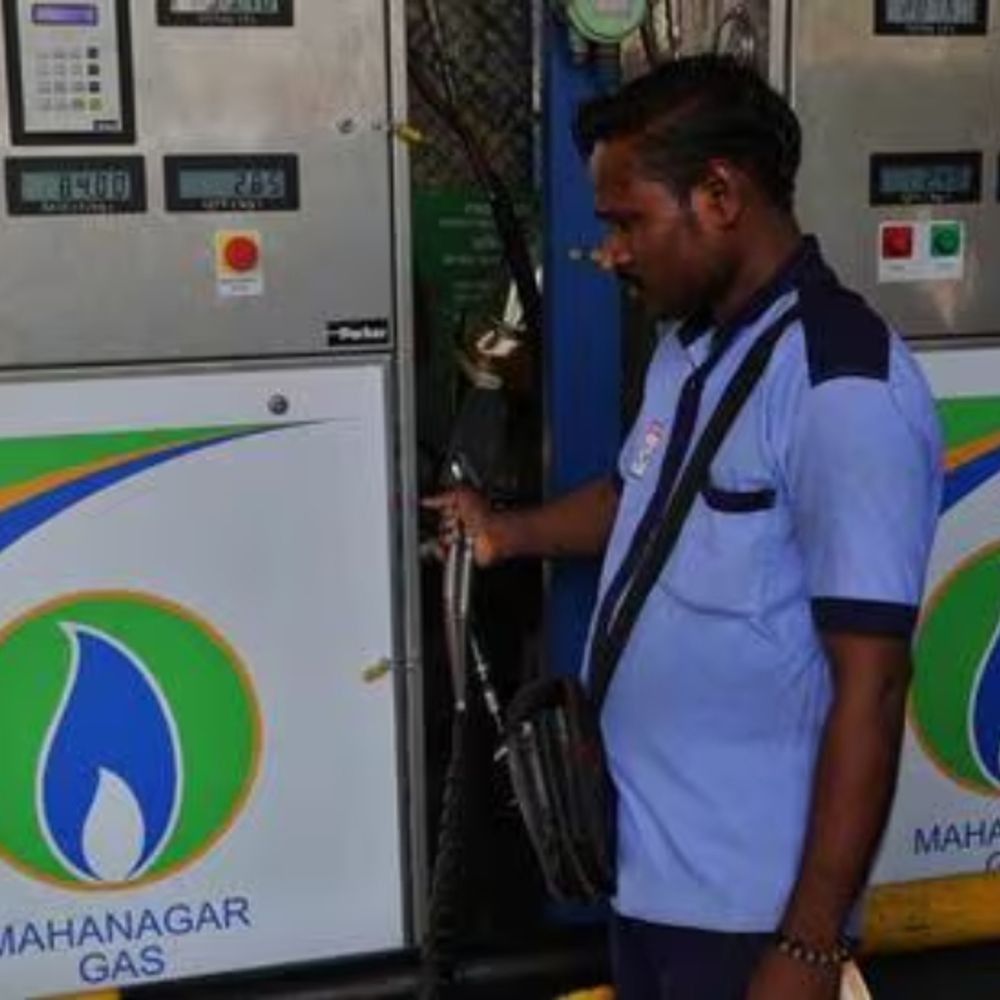
Compressed Natural Gas prices in Mumbai have been increased by ₹1.50 per kilogram with immediate effect, pushing the retail rate to ₹91.50 per kilogram across the metropolitan region. The price hike took effect from today, reflecting continued adjustments in city gas distribution tariffs. The revision directly impacts tens of thousands of vehicle owners and commercial operators who rely on clean fuel for daily mobility across the city.
The latest price revision marks the eighth increase in CNG rates recorded within the current calendar year. Over the preceding 11 months, the retail price of the fuel has climbed by a cumulative ₹11 per kilogram. This steady succession of incremental adjustments highlights persistent upward momentum in regional fuel pricing throughout the year.
The price escalation directly affects Mumbai's extensive network of auto-rickshaws, metered taxis, and app-based ride-hailing fleets, which operate almost exclusively on compressed natural gas. For commercial drivers, fuel represents the largest single recurring operating expense on a day-to-day basis. The additional expenditure is expected to further compress driver profit margins in the absence of an immediate fare structure revision.
Beyond individual commercial operators, the hike bears consequences for municipal transport undertakings and light commercial delivery vehicles operating across the metropolitan zone. A substantial share of the city's intra-city logistics and delivery ecosystem relies on gas-powered utility vans to move goods. Sustained increases in daily running costs create compounding pressures across urban supply chains.
Private vehicle owners who previously switched to CNG-powered models to insulate themselves from petrol and diesel price volatility are also witnessing shifting economics. Although natural gas traditionally presented a considerable cost advantage over conventional liquid fuels, the cumulative ₹11 rise over 11 months has narrowed the overall savings margin. Commuters who face long daily transit distances across Mumbai are increasingly feeling the cumulative budget impact.
City gas distribution operators typically calibrate retail pricing based on input costs, domestic natural gas allocation volumes, and imported fuel benchmarks. When domestic allocations are adjusted or global procurement prices for liquefied natural gas fluctuate, city gas suppliers modify retail tariffs to balance distribution margins. Operational expenses tied to pipeline transport, compression, and retail station maintenance also factor into periodic rate reviews.
The ongoing climb in transportation fuel expenses often generates secondary cost pressures across related consumer services and local commerce. Higher logistics expenses for intermediate distributors can gradually filter into the retail delivery costs of perishable produce, wholesale freight, and localized courier deliveries. Business associations and transport unions routinely monitor these tariff updates to evaluate their broader inflationary effects on commercial transport.
In light of repeated upward revisions, regional transport unions frequently petition state authorities and transport regulatory panels for commensurate adjustments to minimum fares. Commercial drivers often argue that absorbing repeated price hikes without an updated fare meter rate makes maintaining operations increasingly difficult. The government and regional transport authorities are expected to track public sentiment and commercial transport representations following this adjustment.
Looking ahead, consumers and fleet operators in Mumbai will be watching closely for future movements in natural gas supply allocations and international energy pricing. Industry analysts emphasize that future price trajectories will depend heavily on administrative gas pricing mechanisms and currency fluctuations. For now, Mumbai commuters must navigate a fresh high in retail gas expenses as the year draws toward its final weeks.
Primary source: Divya Bhaskar Business. Newzly rewrites and structures source reporting for clarity; verify critical details at the original.