NASA and Virginia Partner to Boost Energy Security With Space-Based Climate Data
NASA’s Langley Research Center has partnered with the Virginia Department of Energy under a Space Act Agreement, supplying satellite weather and solar data to strengthen state grid planning and resilience.
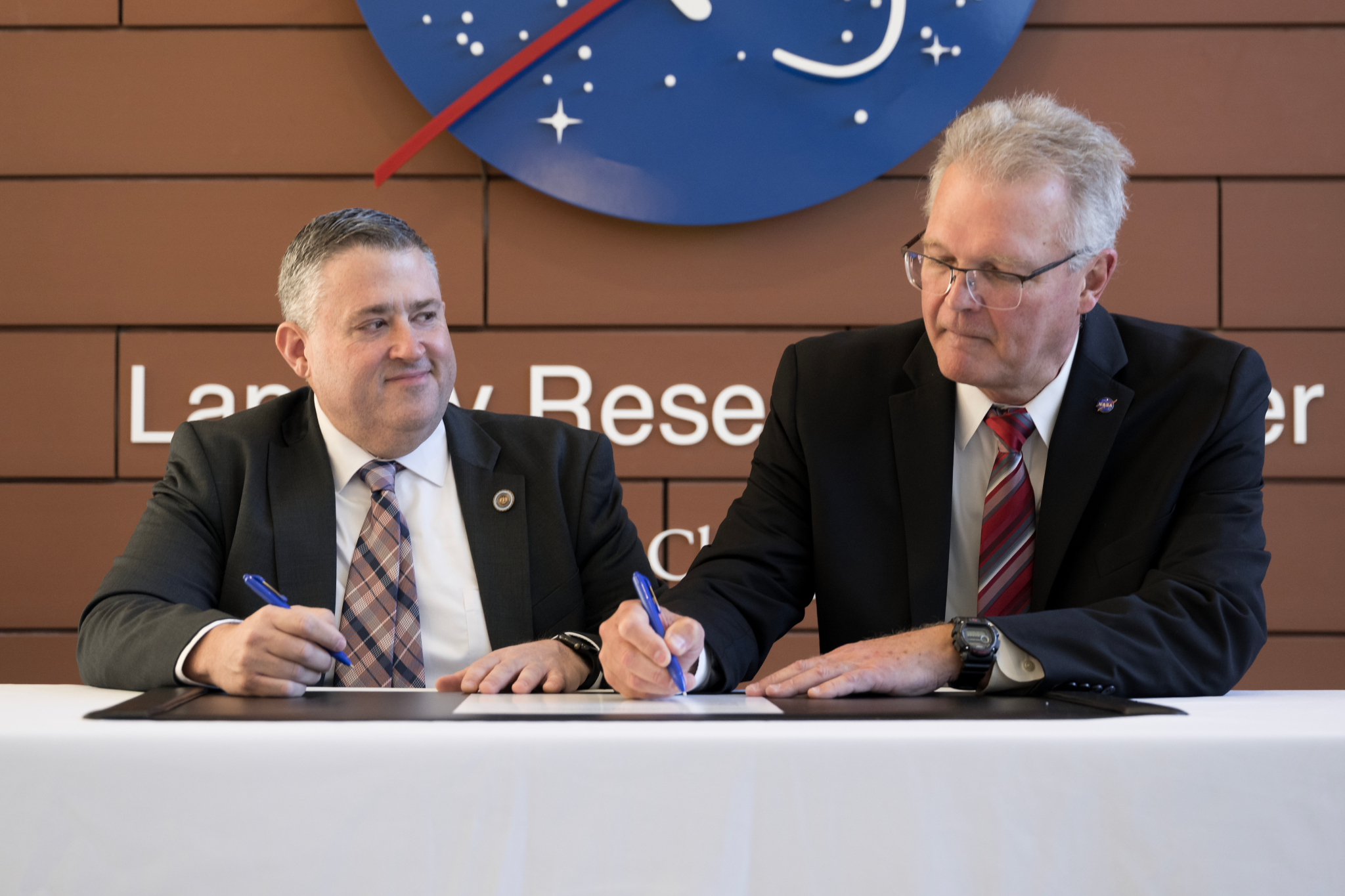
NASA’s Langley Research Center in Hampton, Virginia, has entered into a strategic collaboration with the Virginia Department of Energy to bolster long-term energy security throughout the commonwealth. Finalized under a formal Space Act Agreement, the initiative establishes a direct channel for state planners to utilize NASA Earth science expertise. The joint effort is designed to enhance state-level decision-making regarding electricity generation, grid delivery, and utility resilience.
At the core of the partnership is NASA’s Prediction of Worldwide Energy Resources project, widely known as POWER. Through a newly established digital pipeline, state energy officials can directly download and assimilate Langley’s meteorological, solar, and weather datasets. These inputs are fed straight into Virginia’s analytical models to improve accuracy in regional utility forecasting.
The data provided through the POWER platform draws upon decades of satellite observations and atmospheric modeling coordinated by NASA researchers. These comprehensive records offer detailed tracking of solar irradiance, surface temperatures, humidity, and wind patterns across Virginia. State analysts will rely on this precision data to assess current renewable energy output and forecast regional generation capacity.
The partnership addresses an urgent need for utilities and public regulators to prepare infrastructure against volatile atmospheric conditions. Extreme heat, severe winter storms, and localized weather disruptions increasingly test the operational limits of regional electrical grids. By incorporating future weather risk projections, Virginia officials aim to anticipate potential bottlenecks and protect critical transmission assets.
Solar power deployment represents a central focus for the data integration effort across the state. Planners require granular solar radiation measurements to evaluate where new solar arrays can operate with maximum efficiency. Utilizing NASA’s space-based measurements allows engineers to simulate seasonal yield variations and refine siting strategies for emerging clean energy projects.
The initiative also prioritizes localized community resilience alongside statewide grid reliability. State energy planners intend to evaluate how shifting climate variables affect municipal power distribution, particularly in areas susceptible to severe weather events. Better predictive insight enables state agencies to coordinate proactive measures with local utilities before major disruptions occur.
NASA Langley has historically maintained a significant role in advancing atmospheric research and Earth system monitoring. The POWER program translates that complex scientific enterprise into accessible, real-world tools for engineers, architects, and government policymakers. Through this Virginia collaboration, federal scientists see an opportunity to demonstrate how space agency data delivers practical public value on the ground.
Under the agreement, Virginia Energy will continue integrating these evolving datasets into the state's ongoing policy assessments and infrastructure roadmaps. The collaboration also establishes an ongoing feedback loop between state energy analysts and NASA data specialists to refine future modeling tools. As the technical exchange expands, officials anticipate improved forecasting precision across multiple sectors of state energy management.
Looking ahead, the partnership between Langley and Virginia Energy may serve as an operational model for other states seeking to reinforce their energy systems. As public power grids confront transition challenges and fluctuating climate factors, interagency scientific cooperation is becoming essential. State officials plan to monitor the initial outcomes of the data integration as they prepare upcoming infrastructure planning cycles.
Primary source: NASA Breaking News. Newzly rewrites and structures source reporting for clarity; verify critical details at the original.