NASA Locks In Mission Architecture for SR-1 Freedom
NASA has finished a major review of Space Reactor-1 Freedom and fixed key spacecraft elements. The mission is targeted for a 2028 launch to demonstrate nuclear electric propulsion in deep space.
In this piece
NASA, the Department of Energy, and industry experts completed a major review of Space Reactor-1 Freedom and locked in key elements of the spacecraft. The…
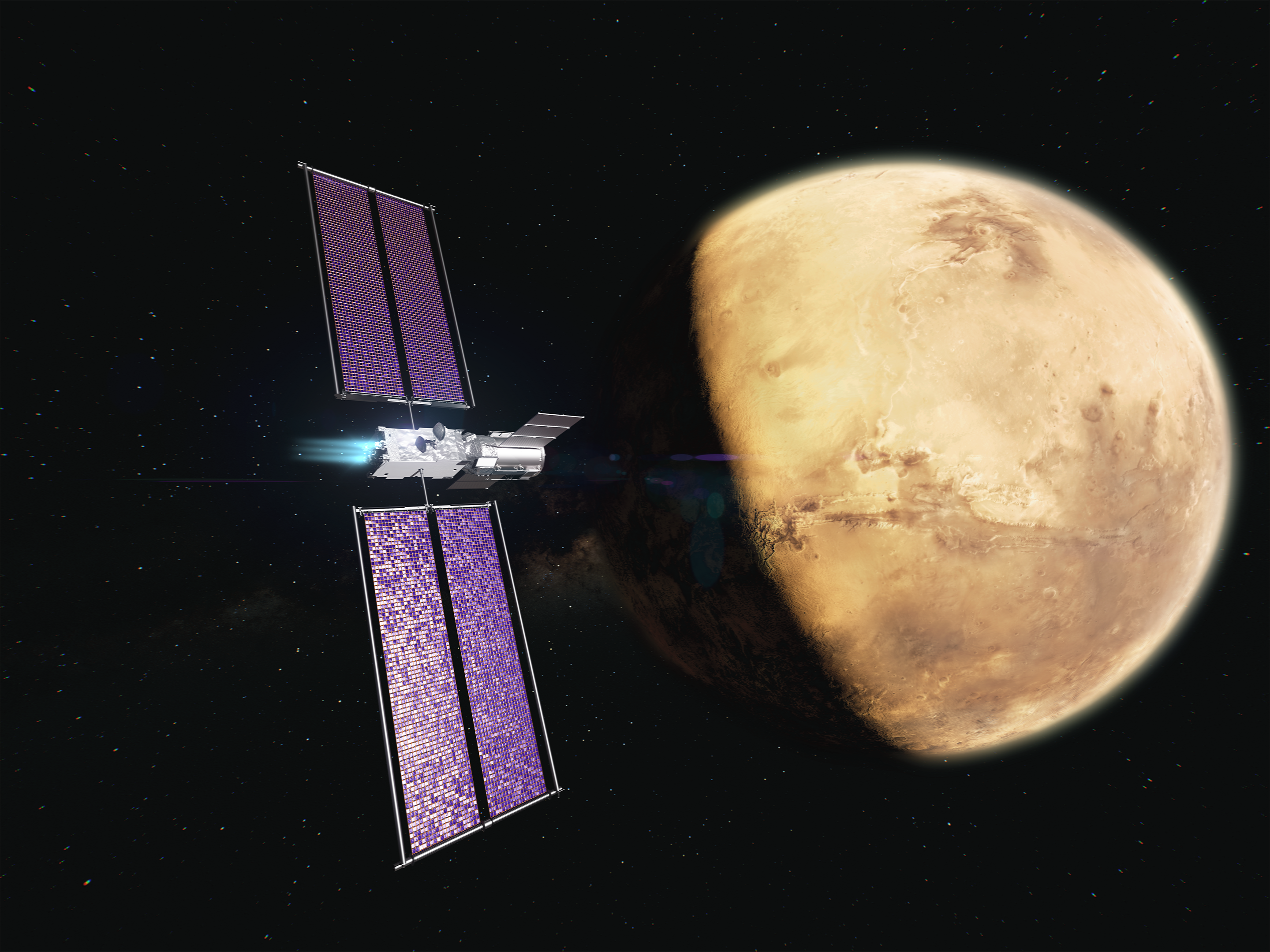
NASA has completed a major review of Space Reactor-1 Freedom and locked in key elements of the spacecraft. The agency says the mission, also called SR-1 Freedom, is targeted to launch in 2028 and to demonstrate nuclear electric propulsion in deep space for the first time.
Experts from across NASA, the U.S. Department of Energy, and industry took part in the review. NASA said the group met at the agency’s Glenn Research Center. The public notice presents the session as a decision point on the mission’s architecture rather than a detailed technical release.
In that account, NASA states that important elements of the spacecraft are now fixed. It does not identify which components, power levels, or trajectory choices were settled. Those specifics remain outside what the agency put in this short announcement.
Nuclear electric propulsion, in general terms, pairs a nuclear reactor with electric thrusters. The reactor produces electricity, and that power drives the thrusters over long periods instead of relying only on brief chemical burns. NASA is describing SR-1 Freedom as the first effort to show that combination working in deep space, a different test from ground experiments or concepts that stay closer to Earth.
That goal is why the architecture review matters even without a public parts list. Once a mission’s basic design is locked, later work shifts from choosing the approach to building, integrating, and qualifying hardware against it. Changes after that point are usually harder, which is why such reviews are treated as milestones.
The Department of Energy’s presence fits the subject. Space reactors sit at the boundary of civil spaceflight and nuclear engineering, and NASA’s notice places DOE experts in the room with agency and industry specialists. The notice does not assign particular responsibilities among those groups or name the companies involved.
Glenn Research Center is the site NASA cites for the meeting. The center has a long role in spacecraft power and propulsion, so hosting an architecture review for a reactor-powered electric spacecraft is consistent with that work. The announcement does not describe how long the review ran or the formal name of any board that accepted the design.
The 2028 date is a target, as NASA states it, not a claim that every schedule risk is closed. Launch years for new propulsion systems can move if reactor development, spacecraft integration, or launch arrangements slip. Nothing in this notice reports a delay or confirms that flight hardware is already complete.
What the mission would do after launch is stated only at the top level: demonstrate nuclear electric propulsion in deep space. NASA’s short account does not describe a destination, a cruise duration, or the measurements the spacecraft would return. Those operational details should be treated as not yet specified in this announcement.
If the flight proceeds as described, it would provide a first deep-space data point on a propulsion method long studied for distant exploration. Engineers generally look to such flights to learn how a reactor, power conversion, and thrusters behave together far from Earth, where maintenance is not available. The notice itself does not claim that SR-1 Freedom will carry crew or serve as an operational transport.
Next steps are not itemized. NASA has said the architecture is locked and the launch is targeted for 2028, which implies continued work with the Department of Energy and industry, but it has not published the next review gate in this item. Further updates would be needed before outsiders can judge how close the spacecraft is to flight.
Until those updates arrive, the firm public facts are narrow: a completed major review, key spacecraft elements fixed, participation by NASA, the Department of Energy, and industry at Glenn, and a 2028 target for the first deep-space demonstration of nuclear electric propulsion.
Primary source: NASA Breaking News. Newzly rewrites and structures source reporting for clarity; verify critical details at the original.