NASA Shares Space Station Research on Cancer Cells in Microgravity
NASA has highlighted the Encapsulate-1 investigation aboard the International Space Station, where patient-derived gastric microtumors are studied in microgravity to help predict metastasis and inform personalized cancer treatments.
In this piece
The Encapsulate-1 investigation aboard the International Space Station is studying patient-derived gastric microtumors inside specialized biochips. Researchers…
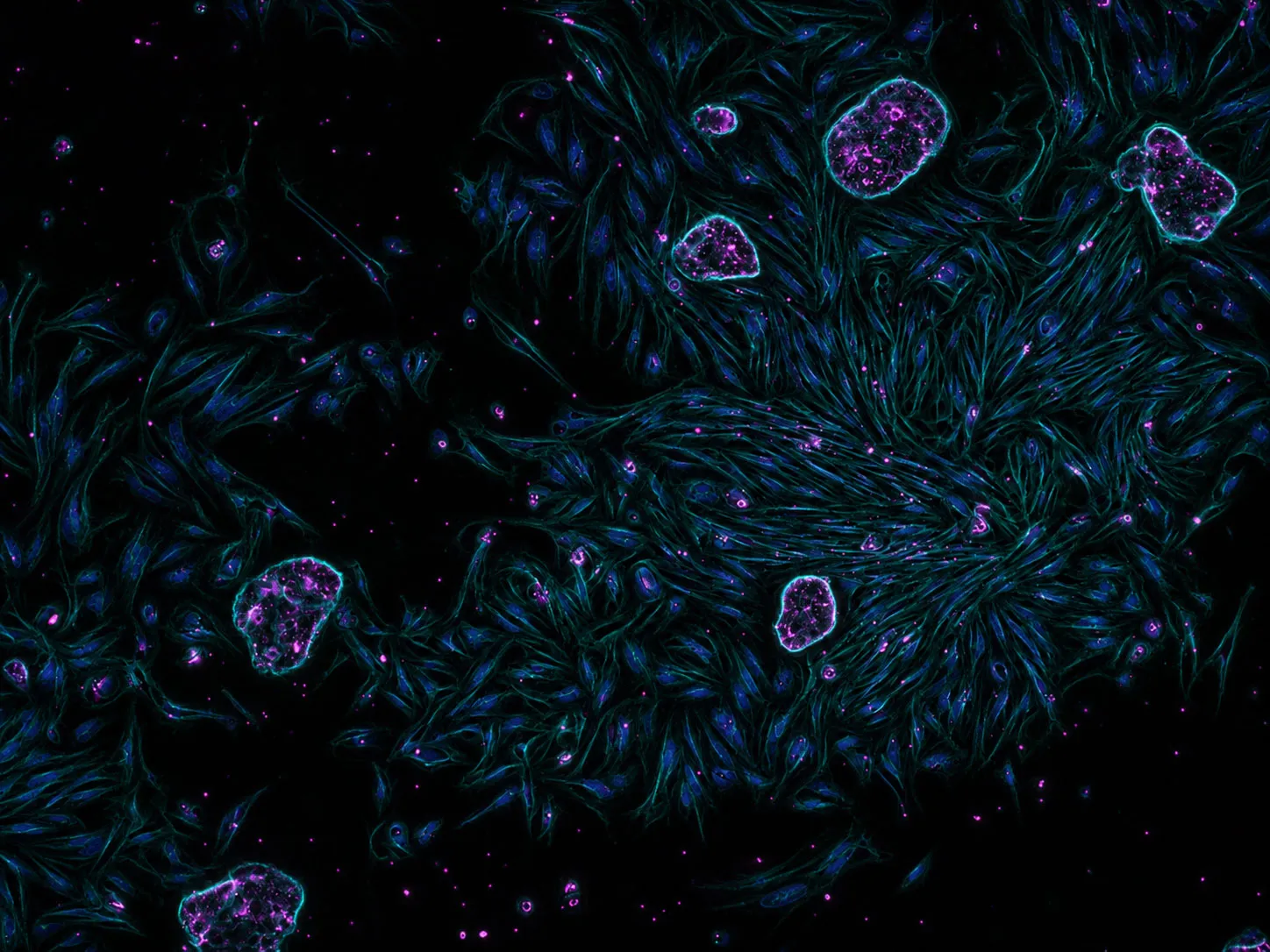
NASA has highlighted ongoing cancer research aboard the International Space Station, releasing imagery from the Encapsulate-1 investigation showing gastric microtumors grown inside a specialized biochip. The project analyzes patient-derived tumor samples in low Earth orbit to observe cellular behavior under conditions that cannot be replicated on the ground. The imagery, documented on November 19, 2026, illustrates the intersection of aerospace laboratory infrastructure and modern biomedical inquiry.
At the core of the investigation is an effort to better understand how cancer cells move, interact, and establish connections in microgravity. By tracking cell migration in the orbital laboratory, scientists hope to pinpoint behavioral differences that emerge when gravitational stress is removed. These observations are intended to uncover cellular signaling pathways and biomechanical dynamics that often remain hidden during standard terrestrial observations.
The research utilizes an Encapsulates biochip system designed to sustain living microtumors throughout the duration of spaceflight. This microfluidic hardware provides a controlled environment that mimics physiological conditions while keeping the cellular clusters intact. Culturing patient-derived gastric tumor tissue in this manner enables precise monitoring of how individual cells cluster, proliferate, and navigate their immediate surroundings.
Microgravity provides unique structural advantages for studying cellular architecture and tissue biology. On Earth, gravity typically pulls cells downward into flat, two-dimensional arrangements on culture dishes, which fails to capture the true complexity of human tumors. In orbit, tumor cells are able to grow naturally in three dimensions, forming spherical microtumors that closely mirror the architecture found inside human organs.
A central focus of the Encapsulate-1 experiment is shedding light on metastasis, the process whereby malignant cells detach from a primary tumor and travel to distant organs. Metastatic spread remains the leading cause of mortality in oncology, making the discovery of early warning indicators an urgent medical priority. Studying how gastric cancer cells migrate in microgravity could provide critical clues about the triggers that initiate tumor dissemination.
Data gathered from the investigation could support the creation of advanced testing platforms to assess a patient's risk of metastasis. If researchers can correlate specific cellular movements and interactions with metastatic potential, clinicians may eventually gain improved screening tools to identify aggressive cancers before widespread dissemination occurs. Such predictive capability could dramatically improve clinical decision-making and patient outcomes.
The study may also accelerate the development of personalized cancer therapies tailored to individual genetic and cellular profiles. By evaluating how patient-derived samples behave in miniaturized biochips, scientists hope to refine models for screening therapeutic compounds against specific tumor characteristics. This approach could allow oncologists to identify optimal treatment strategies for individual patients while minimizing exposure to ineffective drugs.
The experiment underscores the International Space Station's continuing role as a specialized incubator for human health research and translational science. Over the past decade, space agencies and research institutions have expanded biomedical investigations in orbit, exploring areas ranging from protein crystallization to stem cell expansion. Encapsulate-1 adds to this growing body of orbital research by applying space-based methodologies directly to gastrointestinal oncology.
Moving forward, researchers will continue to examine data and imagery returned from the orbital outpost to validate findings against ground-based control samples. Although translating space station experiments into standard hospital practice requires extensive follow-up testing and regulatory review, scientists view the investigation as an important step toward novel clinical tools. Future studies are expected to build on these observations to refine diagnostic platforms and therapeutic targeting on Earth.
Primary source: NASA Breaking News. Newzly rewrites and structures source reporting for clarity; verify critical details at the original.