NASA Technical Bulletin Flags Rare Chip Resistor Cracking
A NASA technical bulletin describes two instances of thick-film chip resistor cracking during thermal cycling after vibration, highlighting a rare failure observed in components widely used across agency projects.
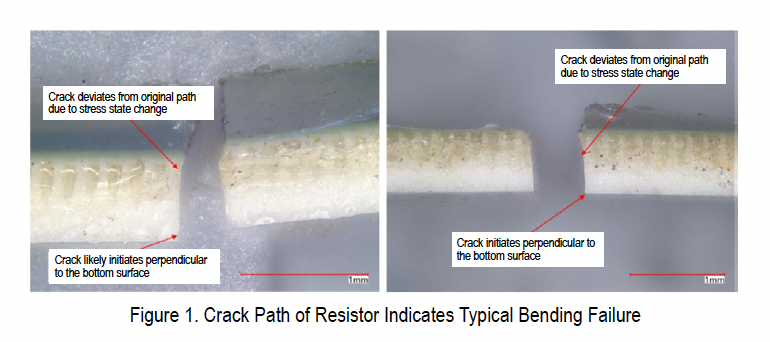
A NASA technical bulletin describes two instances of thick-film chip resistor cracking observed during thermal cycling after vibration testing. The agency says chip resistors are widely used in its projects, while cases involving cracks in their alumina substrates during environmental testing are rare.
The bulletin, titled “TB 26-10 Printed Circuit Board Assembly Chip Resistor Body Cracking,” concerns components mounted in printed circuit board assemblies. Its available introductory text identifies the type of resistor involved and the orientation of the fractures, but stops before completing an explanation of their cause.
In both reported instances, the cracking was observed during thermal cycling that followed vibration. That sequence is an important part of the account, although the excerpt does not establish whether vibration initiated damage, whether temperature changes produced it, or whether the combination contributed to the fractures.
The fractures occurred across the resistors’ short axis, according to the bulletin excerpt. This provides a specific description of the damage pattern, but the supplied material does not include photographs, measurements or examination results that would allow a fuller account of how the cracks developed within the components.
The finding matters because NASA describes these resistors as widely used, making the documented failures relevant to understanding the behavior of components already employed across agency projects. At the same time, the bulletin’s characterization of substrate cracking as rare is an important qualification: the two instances alone do not establish a widespread reliability problem.
The available text does not identify the affected projects, resistor manufacturers or component dimensions, nor does it give the number of parts tested. Without those details, the reported cases cannot support a failure-rate estimate or a conclusion that other resistor types, board assemblies or testing conditions would produce the same result.
The excerpt also does not state whether the cracks caused electrical failures or whether any hardware was redesigned, replaced or subjected to additional testing. Its narrow account therefore documents an observed physical failure mode rather than providing enough information to assess consequences for a particular mission or to describe a confirmed corrective action.
NASA’s posting directs readers to a downloadable PDF and lists Joel W. Sills of Langley Research Center as the contact for further information. That full technical bulletin is the source readers would need to consult for any additional failure analysis, testing details or recommendations; those conclusions are not contained in the supplied excerpt.
Primary source: NASA Breaking News. Newzly rewrites and structures source reporting for clarity; verify critical details at the original.