New Homesteaders Revive Abandoned Cabins Across California's Wonder Valley
A new wave of residents is moving into California's Wonder Valley, restoring decades-old abandoned cabins and forging a resilient desert community despite rising land costs and harsh environmental challenges.
In this piece
New homesteaders are reclaiming abandoned desert shacks across California's Wonder Valley, breathing fresh life into an area once deemed too harsh for…
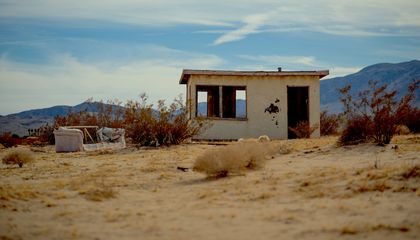
A new generation of homesteaders is moving into California's Wonder Valley, reviving a desolate desert landscape once defined by abandoned cabins and harsh conditions. Drawn by a desire for independence and community, newcomers are renovating the small desert dwellings left behind from an earlier era of settlement. The influx marks a notable revival for an area that had largely emptied out when earlier residents found desert life untenable.
Decades ago, tracts of this arid expanse were distributed or sold at bargain rates, encouraging people to build modest homesteads across the desert floor. Many early settlers constructed simple cabins to meet basic claim requirements, hoping to establish roots in the open wilderness. However, the extreme climate, isolation, and absence of basic modern utilities quickly took their toll on those initial residents.
Without dependable water sources, electrical grids, or everyday infrastructure, surviving the harsh desert elements proved far too difficult for most families. Over time, scores of homesteaders walked away from their properties, leaving behind hundreds of weathered shacks scattered across the valley. For decades, these deteriorating structures stood as stark monuments to the practical challenges of off-grid desert living.
While the region was once accessible for practically dirt-cheap prices, shifting real estate dynamics have transformed property values in the desert. Acquiring land and legacy cabins in Wonder Valley is no longer the pocket-change investment it once was. Rising interest in remote living has driven up costs, yet prospective buyers continue to view the area as a rare frontier for creative living.
The incoming residents are approaching the desert with fresh determination and modern adaptations to make life sustainable. By restoring the vintage shacks and outfitting them for contemporary needs, the new arrivals are finding ways to overcome the historic deficits of the landscape. While off-grid existence remains demanding, advances in domestic systems offer options that earlier generations lacked.
Beyond individual home renovations, the newcomers are actively working to cultivate a shared community spirit across the sparsely populated basin. Rather than remaining entirely isolated, neighbors are forming loose networks to support one another through the unique rigors of desert living. This collaborative approach has injected fresh vitality into a remote area long characterized by solitude.
The resurgence reflects broader social interest in simplicity, alternative living arrangements, and creative reuse of historic structures. For many pursuing this path, the appeal lies in reclaiming forgotten spaces and establishing an intentional life away from dense urban centers. The transformation of Wonder Valley underscores how shifting priorities can breathe new purpose into historically neglected territories.
Significant hurdles nevertheless persist for anyone attempting to make a permanent home in such an unforgiving environment. The natural elements remain relentless, and maintaining daily life still demands substantial self-reliance and financial investment despite modern conveniences. How long this current revival will endure remains to be seen, but the ongoing rehabilitation of these legacy shacks suggests a resilient chapter for California's desert communities.
Primary source: Smithsonian History. Newzly rewrites and structures source reporting for clarity; verify critical details at the original.