Nvidia and Jensen Huang Sued by Shareholders Over Chinese Espionage Scandal
Nvidia and its chief executive Jensen Huang face a shareholder class-action lawsuit in California, alleging the company concealed national security risks and misled investors regarding Huang's affair with an alleged Chinese intelligence asset.
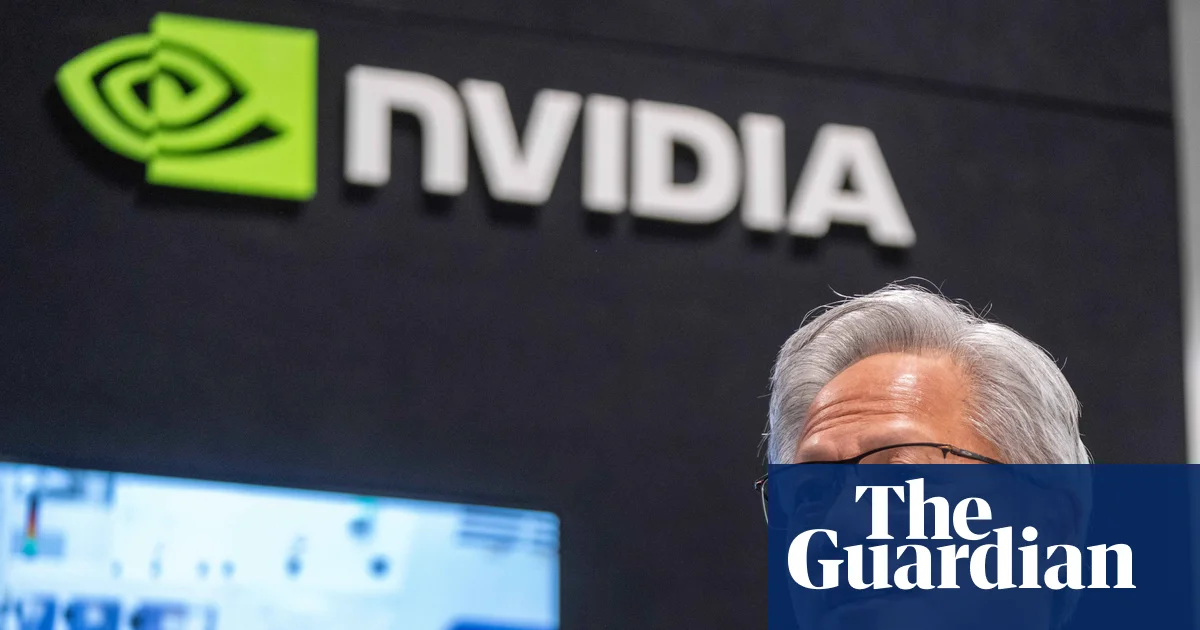
A proposed shareholder class-action lawsuit has been filed in California federal court against Nvidia and its chief executive, Jensen Huang. The complaint accuses the artificial intelligence chipmaker and its top executive of misleading investors and failing to disclose significant national security risks linked to Huang's personal relationship with an alleged Chinese intelligence operative.
The legal action contends that corporate leadership misled the market regarding Nvidia's exposure to regulatory crackdowns and geopolitical vulnerabilities. According to the filing, investors suffered financial harm because the company concealed ties that could jeopardize its proprietary semiconductor technologies and violate federal trade controls.
The lawsuit follows revelations surrounding Huang's extramarital affair with Alice Huang, also known as Huang Le, a businesswoman whom United States intelligence agencies suspect of operating as an asset for China's Ministry of State Security. Officials allege that foreign intelligence sought to exploit the relationship to gain insight into export-restricted graphics processing units and shape corporate lobbying on high-tech trade policy.
Scrutiny has also focused on Megaspeed International, a Singapore-based data center operator where Alice Huang served as a key executive. Megaspeed recently became a major purchaser of advanced Nvidia hardware across Southeast Asia, raising red flags among federal investigators that high-end artificial intelligence chips may have been routed into mainland China in circumvention of federal export restrictions.
Huang recently addressed the personal dimension of the controversy in an internal memo to staff, acknowledging unfaithfulness to his wife and apologizing to employees. Nvidia's board of directors stated that it launched an independent review and maintained that there is currently no evidence indicating that intellectual property, trade secrets, or national security safeguards were breached.
The legal fallout coincides with escalating scrutiny from Washington, where President Donald Trump publicly confirmed that the Federal Bureau of Investigation is actively examining Huang's connections to the matter. The announcement has placed renewed political pressure on the semiconductor giant, which has grown to a valuation exceeding four trillion dollars on the back of the global artificial intelligence boom.
For Wall Street, the entanglement highlights the growing legal and geopolitical hazards facing American technology leaders operating at the center of the United States-China technological rivalry. Nvidia has long navigated stringent Commerce Department export controls designed to prevent Beijing from obtaining cutting-edge chips for military and advanced computing applications.
Representatives for the Chinese government have strongly rejected the espionage allegations, describing them as politically motivated smears designed to undermine commercial competition. Despite these denials, the combination of shareholder litigation, criminal inquiry, and international scrutiny represents one of the most serious governance tests in Nvidia's history.
The California lawsuit now moves toward early procedural stages, where plaintiffs must establish standing and substantiate their claims of securities fraud. As both the board's internal inquiry and federal investigations proceed, market observers and corporate governance experts will closely watch how Nvidia manages executive leadership and regulatory compliance amid heightened global scrutiny.
Primary source: The Guardian Business. Newzly rewrites and structures source reporting for clarity; verify critical details at the original.