Oil Price Rises Above $117 a Barrel Amid Fears US Will Renew Strikes on Iran
Brent crude surged past $117 a barrel to a six-month high on Friday as fears of renewed US military strikes on Iran and Tehran's threats against Gulf infrastructure rattled energy markets.
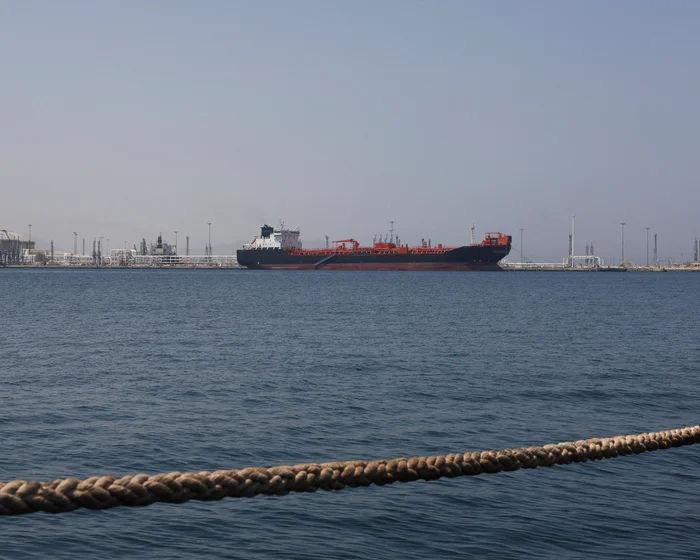
Global crude prices surged sharply on Friday as Brent crude, the international benchmark, climbed by roughly 3.5 percent to cross $117 a barrel. The intraday spike pushed oil to its highest level in more than six months, surpassing previous peaks recorded in April. Energy markets responded swiftly as concerns mounted over direct military escalation and potential supply bottlenecks across the Middle East.
The immediate trigger for the rally came after Tehran issued threats of retaliatory strikes targeting refineries and critical datacentres across the Gulf region. Energy market participants moved aggressively to price in heightened operational vulnerabilities across critical infrastructure corridors. The prospect of vital energy installations coming under attack prompted immediate risk hedging among institutional traders and commodity desks.
Simultaneously, widespread apprehension that the United States could renew military strikes against Iran added significant momentum to the pricing surge. Tensions between Washington and Tehran have historically introduced substantial risk premiums into global energy contracts due to the strategic geography of regional crude transport routes. With both sides engaged in aggressive posturing, traders are pricing in a much higher probability of sustained military friction.
The climb past $117 per barrel marks a decisive reversal from the more moderate trading ranges observed throughout late spring and summer. Reaching levels not seen since April highlights how rapidly geopolitical shocks can reset market expectations. Analysts tracking the sector note that prolonged pricing above this milestone could fundamentally reshape fourth-quarter energy projections.
A particularly concerning element for industry observers is the explicit targeting rhetoric directed toward both refining assets and regional datacentres. The modern energy supply chain relies heavily on digital infrastructure and automated control systems to maintain processing and distribution schedules. Threatening digital and operational facilities simultaneously elevates the complexity and potential footprint of any disruption.
Higher crude valuations inevitably carry broader macroeconomic implications for energy-importing economies worldwide. A sustained run near or above $117 per barrel risks feeding into retail fuel costs, aviation expenses, and petrochemical manufacturing. Policy planners and central banking officials monitor these shifts closely, as persistent energy cost increases can complicate inflation management and economic growth targets.
Despite the severe price surge, trading analysts stress that current valuations primarily reflect risk premiums and fear rather than documented, sustained physical supply deficits. No major export terminals have reported immediate structural outages at this juncture. Consequently, price volatility remains acutely sensitive to breaking diplomatic statements, military movements, and official intelligence assessments.
Energy consumers and corporate buyers are now closely evaluating inventory reserves and hedging strategies to guard against further price shocks. Importers across major industrial hubs face difficult choices regarding whether to lock in supplies at current multi-month highs or wait for market cooling. The heightened state of uncertainty has sharply reduced risk appetite across broader financial markets as well.
Looking ahead, market stability hinges on whether the United States initiates renewed strikes or if diplomatic channels can de-escalate the confrontation with Iran. Until clear signals of de-escalation emerge, traders anticipate that energy markets will remain exceptionally volatile. Participants across the sector will continue monitoring developments closely as weekend developments could dictate opening price action next week.
Primary source: The Guardian Business. Newzly rewrites and structures source reporting for clarity; verify critical details at the original.