Paolo Bulgari, who turned a family jewelry business into a global brand, dies at 89
NPR reports that the Italian jewelry magnate, who led Bulgari through decades of international expansion, has died at 89. He helped define the house’s reputation for bold gemstones and Italian glamour.
In this piece
Paolo Bulgari has died at 89, NPR reports. The Italian magnate guided the family jewelry business through decades of international growth and helped build its…
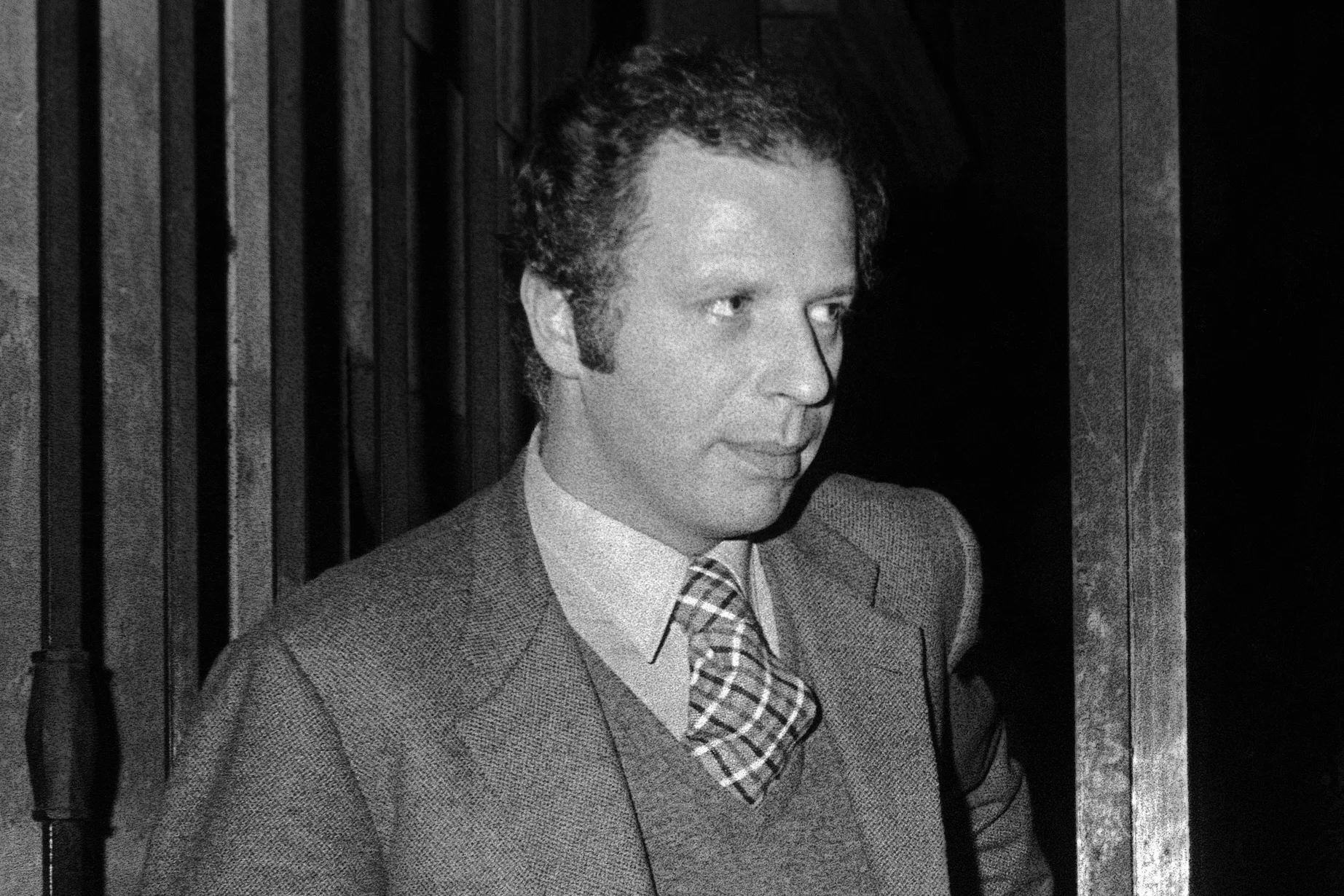
Paolo Bulgari, the Italian jewelry magnate who helped turn a family jewelry business into a global brand, has died at 89, NPR Arts & Life reported.
The account describes a leader who spent decades guiding Bulgari through international expansion. Under that long tenure, the house built a reputation for bold gemstones, distinctive designs and a style widely associated with Italian glamour.
Bulgari’s name had long been tied to jewelry as a family enterprise before it circulated as a worldwide luxury marque. The report frames Paolo Bulgari’s contribution as the work of carrying that business beyond its origins and into a broader international market, a shift that defined much of his public legacy.
Jewelry houses that make that passage do more than open additional doors to customers. They turn a craft identity—stones, settings and a recognizable design language—into a brand that travelers, collectors and fashion audiences encounter far from the workshop where the name began. The NPR summary places Bulgari’s modern standing in that category: a global name whose look is associated with color, bold stones and Italian glamour.
That reputation matters inside a luxury field where design is both product and signal. Bold gemstones and a distinctive visual language give a house a way to be recognized without a spoken introduction. For Bulgari, the report presents those traits as central to the brand Paolo Bulgari helped build, rather than as a side note to expansion alone.
International growth over decades also changes what a family firm must manage. A name that once depended on a tight circle of clients becomes a business judged by consistency across markets, by how its designs read on a world stage, and by whether the glamour associated with its home culture still feels specific. The notice casts his leadership as the through-line of that expansion.
His death arrives with the brand already established as a global jewelry name. The report does not walk through individual collections, store openings or ownership changes; it concentrates on the arc of his leadership and on the aesthetic the house became known for.
Public biographical detail in the account is similarly concentrated. It identifies him as an Italian jewelry magnate who died at 89 and who led the family business through its international rise. It leaves the finer chronology of his life and career to that central fact pattern.
For readers of the luxury and design world, the notice is a marker of a generation of brand-builders who treated jewelry as both heritage and export. The combination the report highlights—family origins, decades of expansion, and a look built on bold stones and Italian glamour—is the substance of what it says he leaves behind.
What follows for the house is a question the report does not try to settle. Bulgari continues in public view as the global brand his leadership helped shape. Further formal remembrance, and any statement on leadership after his death, would come from later notices beyond this account.
NPR’s Arts & Life report is the source of the death notice and of the description of his role. It presents Paolo Bulgari as the figure who carried a family jewelry business onto the world stage and fixed its reputation for bold gemstones, distinctive designs and Italian glamour.
Primary source: NPR Arts & Life. Newzly rewrites and structures source reporting for clarity; verify critical details at the original.