Peter Schiff Warns of $75,000 Bitcoin After Break Below $80,000
Peter Schiff’s latest bearish forecast followed bitcoin’s slide below $80,000, with the longtime critic highlighting technology-stock weakness and the difficulty ETF investors face responding to weekend cryptocurrency moves.
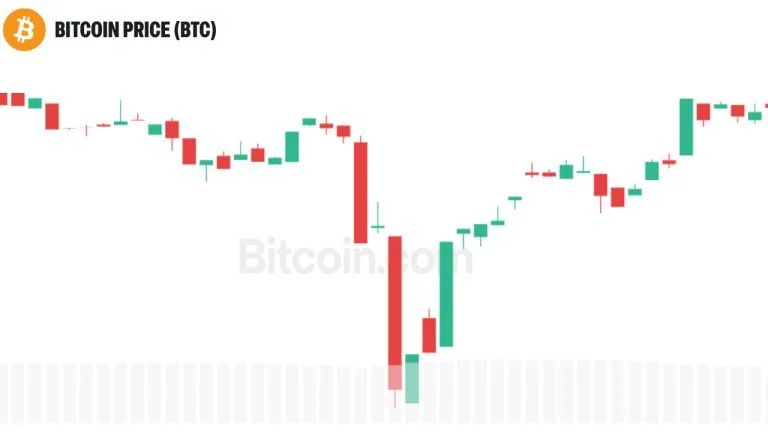
Economist and longtime bitcoin critic Peter Schiff warned that the cryptocurrency could fall toward $75,000 after breaking below $80,000, according to Bitcoin.com News. His forecast extended a bearish outlook tied to weakening technology shares and highlighted the exposure of ETF investors during weekend trading.
The report said bitcoin subsequently recovered above $80,000 and was trading at $80,614 when the article was written. That rebound meant Schiff’s downside target had not been reached in the reported period, making his warning a conditional outlook rather than a description of an accomplished decline.
Schiff had previously questioned bitcoin’s resilience while technology stocks, including artificial intelligence-related shares, faced pressure, the outlet reported. That comparison reflects his interpretation of market conditions; weakness in one asset class does not, by itself, establish where another asset’s price will move next.
The distinction matters because a price forecast and an explanation of trading mechanics address different risks. Whether bitcoin reaches a particular threshold depends on subsequent buying and selling, while an investor’s ability to respond also depends on the vehicle used to hold exposure.
Bitcoin markets operate around the clock, unlike exchange-listed fund shares that trade according to their listing venue’s schedule. An exchange filing published by the Securities and Exchange Commission describes bitcoin platforms as normally operating 24 hours a day, 365 days a year, allowing prices to change while securities exchanges are closed.
BlackRock’s iShares Bitcoin Trust ETF offers an example of how that exposure is packaged. Its official product description says the fund seeks to reflect bitcoin’s price performance while simplifying the operational and custody complexities associated with holding the cryptocurrency directly. Investors therefore hold an exchange-traded product rather than managing the underlying bitcoin themselves.
That convenience does not eliminate the timing mismatch. The fund’s prospectus explains that Nasdaq operates for a limited period each day while digital-asset markets run continuously. Consequently, bitcoin’s market value can diverge from the fund’s most recent closing share price during an exchange closure.
The prospectus also warns that a substantial bitcoin decline outside Nasdaq trading hours can produce a downward adjustment when share trading resumes. Shareholders may be unable to sell before that adjustment is reflected in the market, limiting their ability to mitigate losses during the closure. This is a disclosed structural risk, not evidence that such a decline is inevitable.
For investors assessing Schiff’s warning, the immediate questions are therefore separate: whether bitcoin resumes its decline, and how any move translates into the price at which fund shares can actually be traded. The reported recovery above $80,000 did not validate the $75,000 forecast, nor did it remove the trading-hours issue he highlighted.
The next test of Schiff’s outlook will come from subsequent bitcoin trading, rather than the forecast itself. For ETF holders, the relevant outcome will also include market conditions when their shares next trade, with the fund’s disclosures framing reopening-price risk as a possibility rather than a predetermined result.
Primary source: Bitcoin.com News. Newzly rewrites and structures source reporting for clarity; verify critical details at the original.