Pope Leo XIV becomes first pontiff to vote in a US election
Pope Leo XIV has cast an absentee ballot in the U.S. midterm elections, making the Chicago-born pontiff the first sitting leader of the Catholic Church to vote in an American election.
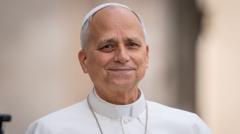
Pope Leo XIV has made history by casting an absentee ballot in the upcoming United States midterm elections, becoming the first pontiff known to vote in an American national election. The Vatican confirmed that the Chicago-born leader of the Roman Catholic Church submitted his mail-in vote ahead of polling day. The unprecedented move marks a notable departure from centuries of papal custom regarding secular political participation.
Born Robert Prevost in Chicago, the pontiff retains his American citizenship alongside his status as head of state of Vatican City. Before his election to the papacy, he served extensively as a missionary and bishop in Peru as well as leading the Vatican's influential Dicastery for Bishops. Church officials confirmed that exercising his democratic franchise has long been a standard personal practice during his decades of public ministry.
The Holy See Press Office emphasized that the pontiff viewed participating in the ballot as an exercise of basic civic responsibility rather than a partisan endorsement. In a formal statement, the Vatican underscored his conviction that citizens have both a fundamental right and a moral duty to take part in democratic processes. Officials reiterated that his vote was cast in strict accordance with the legal procedures governing overseas voters from Illinois.
The ballot comes at a critical juncture for Washington, with the midterm elections set to decide which party controls both chambers of the United States Congress. Control of the Senate and the House of Representatives remains fiercely contested, with legislative majorities carrying decisive consequences for judicial appointments and domestic policy. Observers note that congressional races across the country face intense national scrutiny as campaigns make their final appeals to voters.
The pontiff's decision to vote has drawn heightened attention given his historically complicated relationship with former president Donald Trump. While the pope has consistently avoided endorsing political parties or individual candidates, his past pronouncements on climate stewardship, migration, and international diplomacy have frequently diverged from Trump's political platform. Analysts suggest that this ideological friction adds symbolic resonance to his participation in the American electoral contest.
Throughout modern history, popes have typically refrained from participating directly in domestic political votes to safeguard the Holy See's posture of diplomatic neutrality. As universal pastor to more than one billion Catholics worldwide, pontiffs have traditionally sought to transcend national party politics. By casting a ballot in a U.S. federal election, Leo XIV has redefined how a sitting pope manages dual obligations as both a global religious sovereign and an individual citizen.
The decision has prompted widespread discussion among Catholic theologians, political analysts, and international diplomats. Supporters have welcomed the act as a practical demonstration that faith and active civic engagement can comfortably coexist. Meanwhile, other commentators have questioned whether public knowledge of his participation could be misinterpreted as a tacit commentary on contentious partisan divisions.
Under federal and state election laws, American citizens living abroad retain the legal right to cast absentee ballots in their home states through established military and overseas voting systems. State election officials routinely process ballots from expatriates, diplomats, and international workers worldwide without regard to their overseas positions. The Vatican did not disclose the specific choices made on the pontiff's ballot, maintaining the strict confidentiality guaranteed to all voters.
As polling day approaches, the outcome of the midterm contests will shape the final two years of the current legislative term and set the stage for future national races. Observers will be closely watching whether the Vatican offers further guidance on how Catholic voters should navigate increasingly polarized electoral environments. For now, the historic ballot stands as a unique milestone in the modern relationship between the papacy and the American democratic tradition.
Primary source: BBC World. Newzly rewrites and structures source reporting for clarity; verify critical details at the original.