world·Delhi·New Delhi District
Rahul Gandhi Calls Modi 'Fake Prime Minister,' Alleges Extensive Electoral Roll Discrepancies
Congress leader Rahul Gandhi escalated his attacks on Prime Minister Narendra Modi, alleging massive voter roll manipulation involving roughly 14 crore voters and warning that proposed delimitation legislation threatens Indian democracy.
In this piece
Congress leaders Rahul Gandhi and Mallikarjun Kharge launched a sharp attack against the central government in New Delhi, questioning the legitimacy of the 2024…
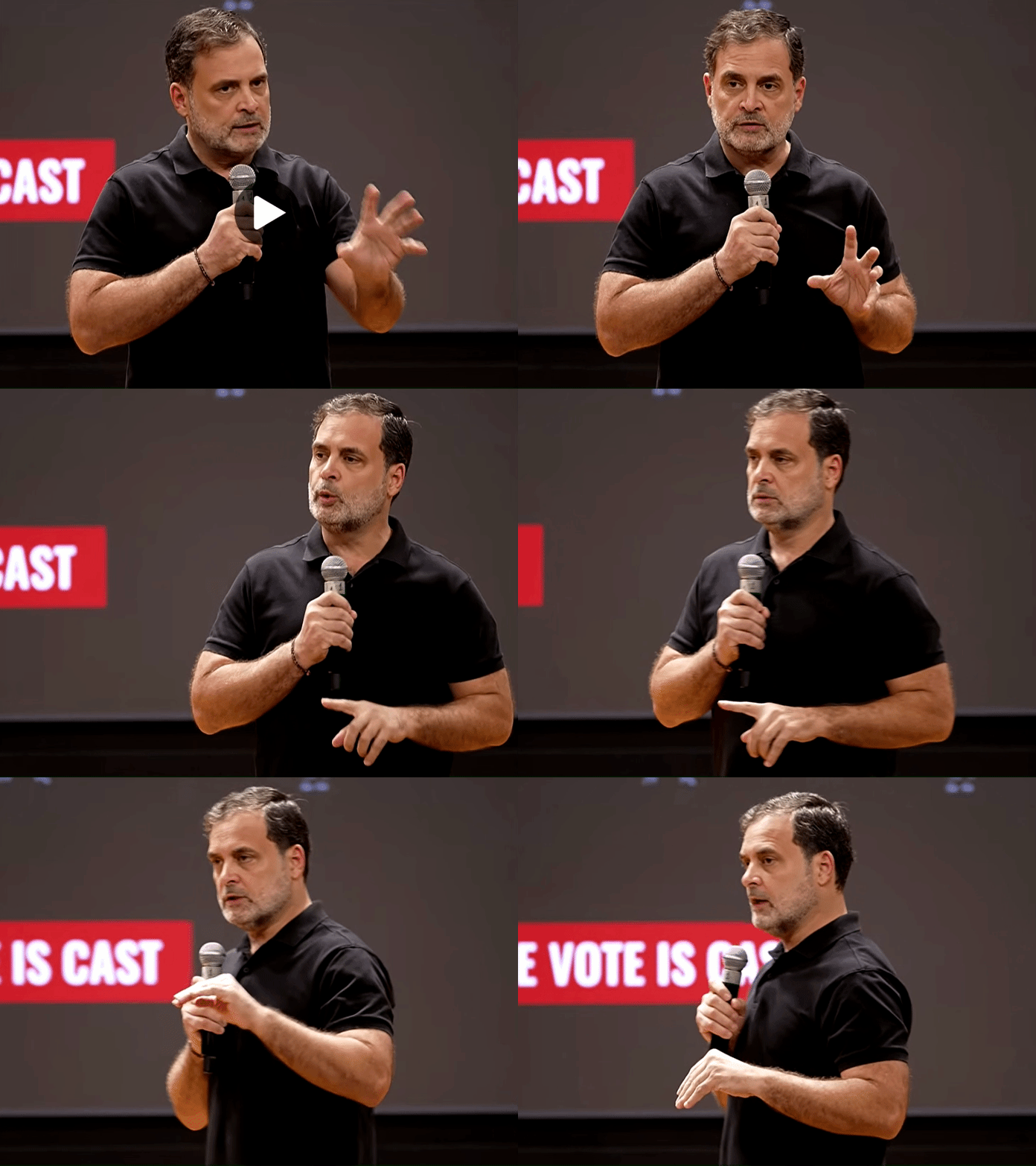
Congress leader Rahul Gandhi launched an aggressive attack against the central government on Friday, calling Narendra Modi a fake prime minister and alleging unprecedented irregularities in the 2024 general election. Speaking alongside Congress President Mallikarjun Kharge at a press conference in New Delhi, Gandhi claimed that discrepancies involving approximately 14 crore voter entries severely compromised the electoral mandate.
During the briefing, Gandhi contended that voter roll revisions had excluded or manipulated tens of millions of legitimate citizens while allowing fraudulent entries. He asserted that skepticism surrounding election integrity has spread rapidly among young voters, arguing that India's Generation Z is widely convinced that vote theft occurred during the polling process.
The opposition leadership also directed intense criticism toward the central government's proposed delimitation measures, warning that redistricting legislation would irreparably damage India's constitutional framework. Gandhi described the proposed overhaul as an effort to dismantle democratic representation and consolidate political authority. Kharge echoed the warning, characterizing the initiative as an existential threat to democratic institutions and social representation.
Kharge emphasized that the proposed constitutional amendments would skew parliamentary representation against marginalized communities, including Scheduled Castes and Scheduled Tribes. The Congress chief noted that the broader opposition bloc remains unified in resisting any federal moves that alter constituency boundaries without broad national consensus.
Gandhi rooted several of his assertions in the Election Commission of India's Special Intensive Revision data, arguing that official numbers reveal irreconcilable inconsistencies. Opposition parties have repeatedly demanded greater transparency regarding voter roll additions, deletions, and electronic voting procedures. However, the election authority has maintained that roll revisions follow transparent, established protocols involving representatives from all registered political parties.
The ruling Bharatiya Janata Party swiftly pushed back against the Congress leadership's claims, dismissing them as irresponsible rhetoric driven by electoral frustration. Senior ruling party leaders accused Gandhi of attempting to undermine public faith in constitutional institutions after failing to secure a governing majority. Government spokespersons insisted that the 2024 election was conducted fairly and transparently under constitutional oversight.
The escalating confrontation underscores deepening polarization in national politics following the closely contested 2024 parliamentary polls. By directly questioning the Prime Minister's legitimacy and raising doubts over voter lists, the opposition is attempting to build public momentum against upcoming legislative measures. Analysts observe that framing delimitation as an assault on democracy could become a central rallying point for opposition alliances across several states.
Constituency delimitation remains one of the most sensitive federal issues in the country, particularly among southern states worried about losing political influence to more populous northern regions. The addition of electoral roll integrity debates to the delimitation controversy further complicates future bipartisan negotiations on constitutional reforms. Civil society groups and legal observers continue to watch whether opposition parties will pursue these grievances in parliament or mount formal legal challenges.
With upcoming legislative sessions set to address electoral rules and redistricting frameworks, the clash between the treasury and opposition benches is poised to intensify. Congress leadership has signaled plans to take these allegations directly to the public through nationwide outreach programs and demonstrations. Meanwhile, the central government has indicated it will proceed with its legislative agenda, ensuring that institutional battles over democratic legitimacy will persist in the coming months.
Primary source: Divya Bhaskar National. Newzly rewrites and structures source reporting for clarity; verify critical details at the original.