US Army to Detonate Tonnes of Unstable Explosives in Iowa Despite Court Order
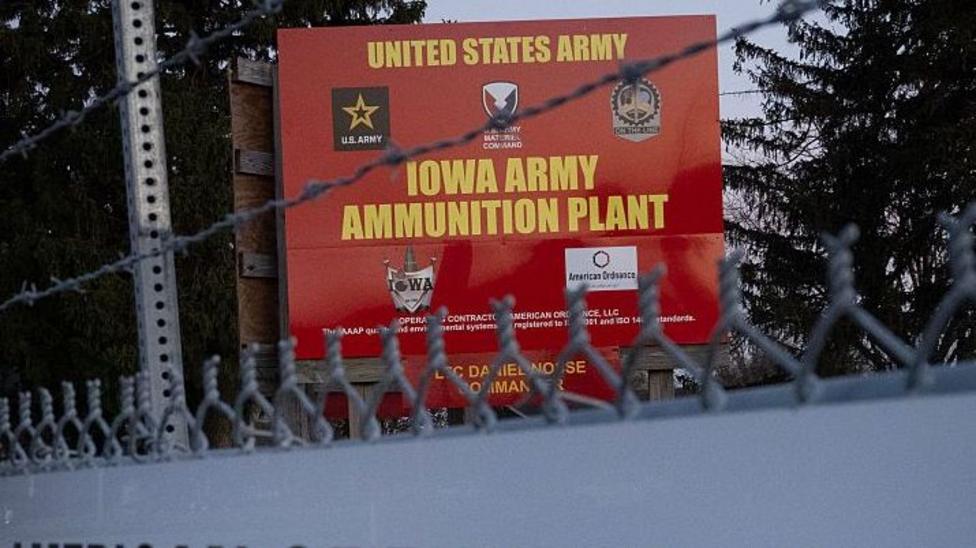
The U.S. Army plans to proceed with detonating tonnes of unstable explosives at an Iowa ammunition plant despite a court order, citing an urgent need to protect military personnel and nearby residents.
In this piece
The U.S. Army says it will move forward with detonating tonnes of unstable explosives at an ammunition plant in Iowa despite an active court order. Military…
The U.S. Army plans to carry out a controlled detonation of tonnes of unstable explosives stored at an ammunition plant in Iowa, moving ahead with disposal operations despite a court order that had halted the process. Military officials maintain that swift action has become critical to eliminate an immediate safety hazard on site. The decision creates an extraordinary standoff between federal defense authorities and the judicial system.
According to military statements, immediate intervention is necessary to protect personnel working within the facility as well as civilians living in surrounding communities. Defense officials have warned that aging and unstable munitions can undergo chemical degradation over time, significantly increasing the probability of an accidental explosion. Under such volatile conditions, standard storage safeguards may no longer provide adequate protection against an unintended blast.
The court order barring the detonation arose from legal proceedings challenging the disposal plan, though specific judicial directives had sought to keep the operation on hold pending further review. Legal challenges of this nature typically center on the environmental consequences of large-scale demolitions, including the dispersal of toxic dust, heavy metals, and airborne particulates over populated regions. Opponents and local stakeholders often seek judicial intervention to compel comprehensive environmental reviews before any detonation proceeds.
The Army's decision to bypass the judicial pause highlights an acute tension between military emergency protocols and civil court jurisdiction. While defense agencies occasionally invoke emergency powers to address catastrophic domestic hazards, defying a direct judicial mandate remains a rare and legally fraught maneuver. The situation underscores the difficult choices faced by commanders when imminent physical danger collides with procedural legal constraints.
Ammunition plants across the United States regularly manage vast quantities of sensitive energetic materials, propellants, and primary explosives that require specialized environmental controls. When stabilizing agents evaporate or storage vessels deteriorate, these materials can become extremely shock-sensitive, friction-sensitive, and unpredictable. In such high-risk scenarios, ordnance disposal experts generally view controlled destruction as the only viable method to prevent an uncontrolled disaster.
For communities bordering the Iowa facility, the looming detonation introduces serious concerns regarding public health, safety buffers, and communication from the federal government. Residents living downwind of military industrial facilities frequently express apprehension over particulate plumes and soil contamination following open-air or contained demolitions. The standoff has intensified calls for transparent air monitoring, clear evacuation guidance, and detailed explanations of the blast's potential perimeter.
The military has not disclosed the full technical timeline or the precise detonation methodology it intends to deploy to neutralize the deteriorating stockpile. It remains uncertain whether the demolition will occur in a single concentrated event or through a series of smaller controlled blasts designed to mitigate environmental dispersion. Officials have emphasized, however, that protective measures are focused squarely on minimizing risks to base personnel and nearby neighborhoods.
The impending operation is expected to prompt an immediate response from the presiding court, which could consider emergency injunctions, contempt proceedings, or demands for expedited briefings. Legal experts note that the federal judiciary possesses substantial authority to enforce its orders, even against military entities, unless a formal legal exemption is recognized. How the court reacts could define the limits of executive discretion during domestic ammunition emergencies.
As the scheduled operation approaches, both community advocates and military leadership remain locked in a contentious waiting period. The Army continues to argue that delay poses an unacceptably high risk to human life, framing its defiance of the court as an unavoidable public safety measure. The outcome in Iowa will likely serve as a closely watched benchmark for future disputes over hazardous military waste disposal and judicial oversight.
Primary source: BBC US & Canada. Newzly rewrites and structures source reporting for clarity; verify critical details at the original.