Saudi-led coalition strikes Houthi targets as group vows to hit key ports
CNBC reports fresh strikes and hostile rhetoric as fighting tied to a war the network says the United States and Israel began in February continues across the Middle East.
In this piece
A Saudi-led coalition struck Houthi targets while the Iran-backed group vowed to hit key ports, CNBC reported. The network said the attacks and rhetoric show a…
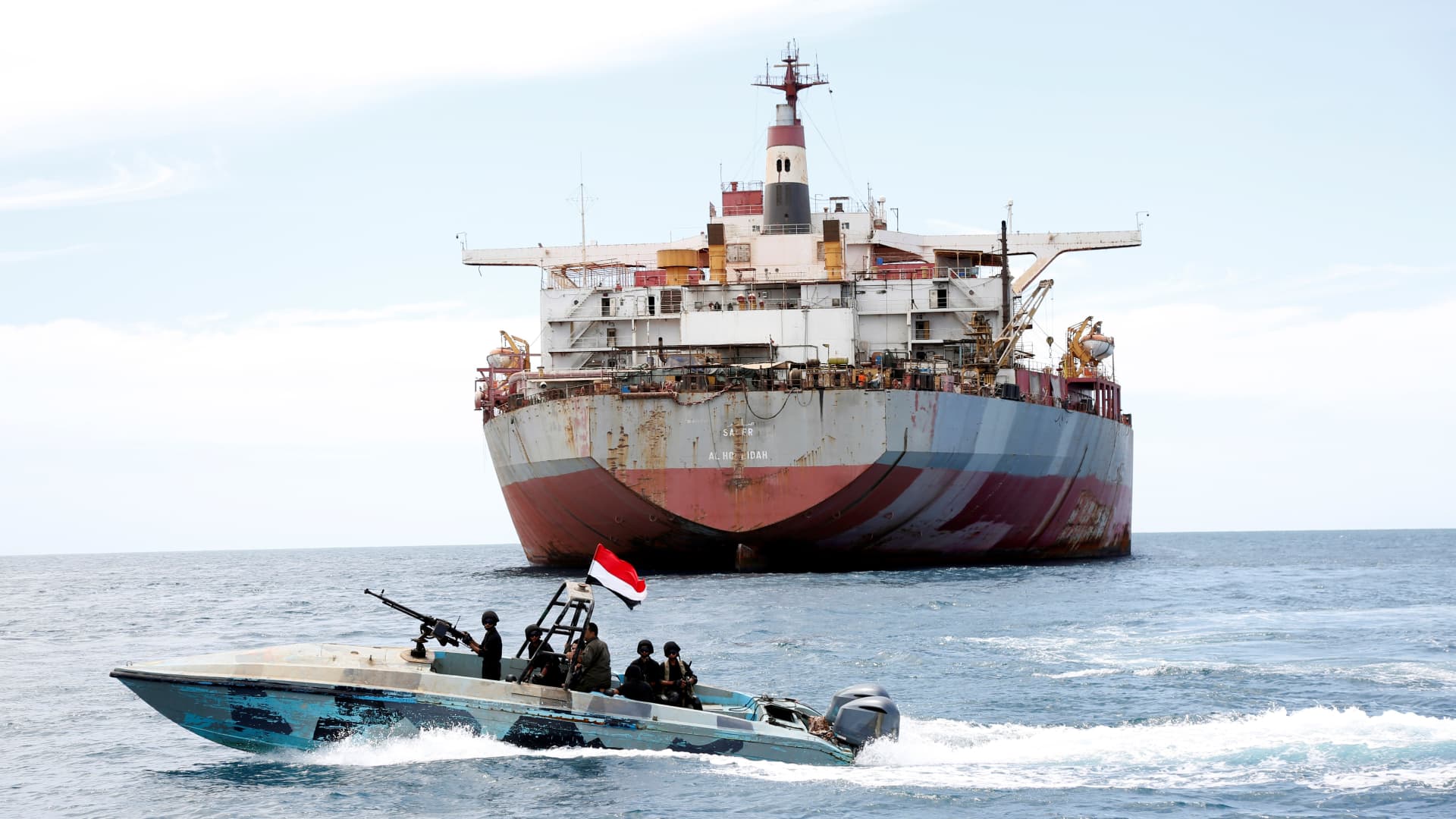
A Saudi-led coalition struck Houthi targets as the Iran-backed group vowed to hit key ports, according to a CNBC report published Sunday. The network said the latest attacks and hostile rhetoric signaled that fighting continues to smolder across the Middle East.
CNBC framed the episode as part of a wider war it said was initiated by the United States and Israel in February. The report did not, in the material available here, spell out the timing, scale, or specific locations of the newest strikes, or quote officials on either side.
The Houthis, based in Yemen and described by CNBC as Iran-backed, have been a central party in the region's overlapping conflicts. A Saudi-led coalition has long opposed the group. Sunday's account presents a new exchange: coalition strikes on Houthi targets, paired with a Houthi vow to strike key ports.
Ports matter because they sit on commercial sea lanes that carry energy and goods. A threat aimed at key ports, as CNBC described the Houthi stance, raises the prospect of further disruption even when the precise harbors and methods are not detailed in the short dispatch.
The report treats the episode as evidence that hostilities have not settled into a durable pause. Attacks and public threats, in the network's telling, show the conflict still active months after the February start it attributes to Washington and Israel.
That attribution is CNBC's framing of how the wider war began. The available text does not include independent confirmation, casualty figures, or statements from U.S., Israeli, Saudi, or Houthi officials beyond the headline claims of strikes and a vow to hit ports.
Why the exchange matters is less a single battlefield result than the signal it sends. Coalition strikes and a port threat together suggest both sides are still willing to use force and public warnings, which can unsettle shipping, energy markets, and regional diplomacy even before fuller details emerge.
The Middle East has spent much of the past several years absorbing spillover from Yemen, the Red Sea approaches, and rivalries involving Iran and Gulf states. CNBC's account places this latest round inside that broader pattern rather than as an isolated clash.
What happens next is not set out in the report. Further strikes, a Houthi move against ports, or a pause would all be consistent with a conflict the network describes as still smoldering, and none of those paths is confirmed here.
Governments and commercial operators will be watching whether the vow against key ports becomes action and whether coalition strikes continue. Until fuller official accounts appear, the clearest on-record picture remains CNBC's: strikes on Houthi targets, a threat to ports, and a war it says began in February that has not gone quiet.
Primary source: CNBC Top News. Newzly rewrites and structures source reporting for clarity; verify critical details at the original.