Tur, urad and gram prices climb as India's dal bill grows
Economic Times reports tur, urad and gram prices have risen by as much as 19 percent in a year, with a supply crunch pushing up the cost of everyday dals.
In this piece
Prices of tur, urad and gram have surged by up to 19 percent over the past year, according to an Economic Times report that ties the jump to a tighter supply of…
Prices of key pulses are higher than they were a year ago, adding to the cost of India's everyday dal. Economic Times reports that tur, urad and gram have surged by as much as 19 percent over the past year as a supply crunch bites.
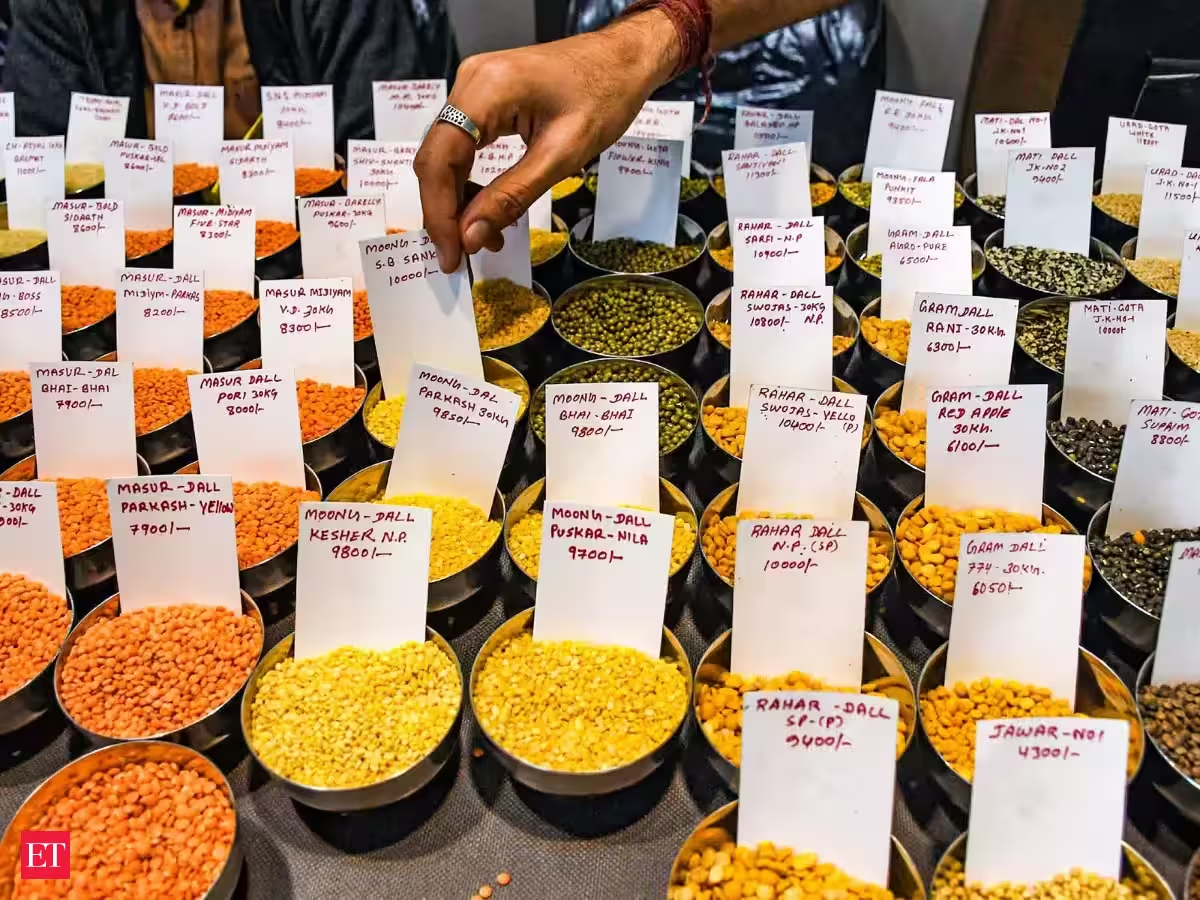
The newspaper's account covers pigeon pea (tur), black gram (urad) and chickpea or gram, often sold as chana. Together they sit at the center of the dals most households buy, whether as whole pulses or as split dals used in daily cooking.
The report frames the move as a supply problem rather than a one-off retail markup. When arrivals of these pulses run short of what mills and traders need, wholesale prices tend to firm first and then show up in the packets sold to consumers.
A rise of that scale over twelve months is large enough to change the monthly food bill. Dal is not a discretionary item for most families, so a dearer tur, urad or chana is felt as a steady squeeze rather than a luxury-price spike.
Pulses also matter beyond the kitchen. They are a primary source of protein in many Indian diets, and their prices feed into broader food-inflation readings that policymakers and the Reserve Bank of India watch closely. The Economic Times story does not, in the material available here, spell out separate contributions from each pulse or from imports versus domestic crop.
How much of the increase has already reached retail shelves can differ by city, brand and pack size. The headline figure is an upper bound — up to 19 percent — so not every dal or every market will have moved by that full amount. Shoppers comparing last year's prices with today's still face a clearly higher tab on the pulses named in the report.
India both grows and imports pulses, and gaps between domestic output and demand have repeatedly tightened the market in past seasons. This article does not cite fresh production, import or stock figures, so the precise mix behind the current crunch is not established beyond the supply pressure described by Economic Times.
Traders, millers and government agencies typically respond to such tightness by watching mandi arrivals, import flows and any official steps on stocks or trade. None of those follow-up measures are detailed in the source material used for this account.
What is clear from the report is the direction of prices: tur, urad and gram cost more than they did a year ago, and the reason given is constrained supply. Until more crop or trade data is published, the size of any further move remains uncertain.
For households, the near-term question is whether the higher wholesale market holds into the next round of retail purchases. For the wider economy, the same prices will stay on the food-inflation radar for as long as the supply crunch described by Economic Times persists.
Primary source: Economic Times. Newzly rewrites and structures source reporting for clarity; verify critical details at the original.