Scotland’s recycling falls to five-year low as rubbish shifts from landfill
Scotland’s household recycling rate has fallen to 42.8%, even as landfill use continues to decline, highlighting the difference between changing how rubbish is disposed of and recovering more materials.
Scotland’s household recycling rate has fallen to its lowest level in five years, raising fresh questions about what happens to rubbish after collection. Figures published by the Scottish Environment Protection Agency on 27 October show that households recycled 42.8% of their waste in 2025, down from 44.3% the previous year.
The decline comes alongside a continuing move away from landfill, rather than a significant reduction in rubbish produced. SEPA said households generated 2.31 million tonnes of waste, barely changed from 2024, while household waste sent to landfill fell by 10.3% and the amount incinerated increased by 5.7%.
Those movements illustrate an important distinction: sending less rubbish to landfill does not necessarily mean recycling more. SEPA’s chief scientific adviser, Dr Richard Allan, said the priority must include preventing waste and recovering more material, alongside considering its eventual destination. The regulator described a mixed picture, with substantial changes in disposal but more limited progress on recycling.
The longer-term record helps explain why the latest fall matters. In its 2025 assessment of Scotland’s emissions progress, the Climate Change Committee said household recycling had remained between 42% and 46% since 2015. It found little recent progress in either increasing recycling and composting or reducing waste generation, and said faster improvement would be needed to keep Scotland on track.
Evidence about what households throw away points to opportunities before rubbish reaches a disposal facility. Zero Waste Scotland’s household waste composition programme examined material collected at the kerbside between 2021 and 2023. Rather than relying only on collection totals, researchers physically sorted waste to estimate what was being discarded and identify material that could have entered recycling collections instead.
That research estimated that around 52% of residual household waste consisted of materials typically recyclable through kerbside services. Its scope also included the contents of recycling containers, examining both how much recyclable material was captured and how often unsuitable items entered those collections. The findings distinguish between providing a recycling service and ensuring materials actually reach the correct collection stream.
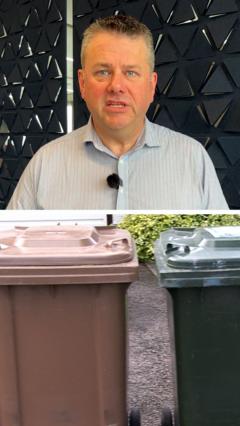
For households, knowing which service accepts an item remains a practical part of that process. Scottish government guidance directs residents to council-specific information rather than a single national bin-colour system, noting that councils may use different colours for the same rubbish. Checking local instructions is therefore important when deciding where an item belongs; a bin’s appearance alone is not a reliable guide across Scotland.
SEPA identifies the deposit return scheme, packaging producer responsibility and a forthcoming recycling code of practice among measures intended to improve material recovery. Their effectiveness will need to be assessed through subsequent results. The central test is whether Scotland can build on its reduction in landfill while also producing less rubbish and keeping more recyclable material out of general waste.
Primary source: BBC Science. Newzly rewrites and structures source reporting for clarity; verify critical details at the original.