Skydance staff face uncertainty after $110bn Paramount-Warner deal
Employees face an uncertain integration as David Ellison’s newly combined entertainment group pursues billions in savings while promising continued investment in films, television and technology.
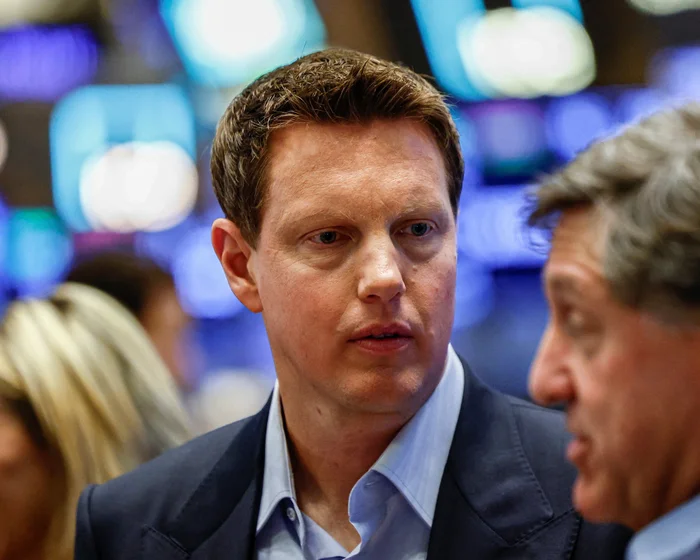
Skydance employees are confronting uncertainty over their jobs following the $110bn combination of Paramount and Warner Bros Discovery, as chief executive David Ellison turns from completing the transaction to integrating the businesses. The deal brings major Hollywood studios, television networks, streaming platforms and news organisations under one corporate roof.
“It feels like the calm before the storm,” an unnamed Skydance executive told the Guardian. The executive’s assessment captures the tension between the scale of Ellison’s achievement and the changes employees now anticipate across the combined entertainment group.
The acquisition closed on October 6, according to the company’s announcement, establishing Skydance as the name of the combined business. Its portfolio spans Paramount and Warner Bros, alongside HBO, MTV, Discovery, CBS and CNN, bringing entertainment production and major news operations into the same organisation.
Management has already acknowledged that the integration will carry consequences for employees. In an October 6 staff message, Ellison and co-chief executive Ynon Kreiz warned that combining the companies would involve difficult workforce decisions, while pledging to handle the process respectfully. That message did not specify the number of positions affected.
The financial ambition is substantial: Skydance is targeting at least $6bn in annualised savings within three years. Its closing announcement identified technology, procurement, marketing and property as principal areas for efficiencies. Those categories describe where management expects savings, rather than providing a detailed timetable for staff changes.
For employees, that distinction matters because a corporate savings target does not establish which teams will be reorganised or how individual roles will change. The warning in management’s message makes workforce disruption an acknowledged part of integration, but it does not by itself establish the eventual scale of job losses. Staff concerns therefore remain different from a confirmed redundancy plan.
Ellison and Kreiz have presented the combination as a response to competition for audiences and rapid technological change. Their employee message argued that pooling talent, resources and capabilities would create a stronger competitor, rather than simply a larger collection of brands. They also said technology would play a greater role in production, distribution and how the company operates.
The leadership’s creative commitments provide another measure against which the integration will be judged. In their message, Ellison and Kreiz pledged to make at least 30 movies annually and said the Paramount and Warner Bros studios would retain their names. Preserving those identities, however, is a separate question from how the businesses supporting them will be organised.
The next phase will test whether management can reconcile its investment promises with its efficiency programme. Employees will be looking for concrete decisions on organisational structures, responsibilities and the timing of changes, rather than broad assurances about the combined company’s potential. Until those details emerge, the completed deal marks the beginning of integration—not the end of uncertainty.
Primary source: The Guardian Business. Newzly rewrites and structures source reporting for clarity; verify critical details at the original.