Smithsonian History Names the Ten Best History Books of 2026
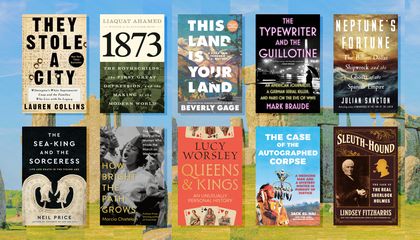
Smithsonian magazine has revealed its annual list of the ten best history books of 2026, spotlighting titles that revive overlooked stories and explore the forces shaping the modern United States.
In this piece
Smithsonian History has published its annual selections for the ten best history books of 2026. The curated titles resurrect overlooked historical narratives…
Smithsonian magazine has officially announced its selection of the ten best history books of 2026, offering readers a curated survey of notable nonfiction published over the past year. The publication's editorial team highlighted volumes that focus on resurrecting overlooked historical narratives and evaluating the foundational developments that shaped the modern United States. This annual cultural roundup highlights historical scholarship that bridges academic rigor and general public interest.
According to the announcement published by Smithsonian History, the selected works stand out for their commitment to exploring forgotten perspectives and lesser-known historical episodes. The editors emphasized that their chosen titles make meaningful contributions to public understanding by bringing marginalized accounts back into view. Rather than simply revisiting familiar milestones, the selections seek to expand the scope of conventional historiography.
A primary focus of this year's compilation involves examining how contemporary American institutions and social structures developed over time. The editorial framing stresses that understanding present-day national challenges requires a rigorous examination of the nation's historical trajectory. By tracing key political, cultural, and economic developments, the featured authors investigate the conditions that brought the country to its current juncture.
The focus on neglected historical narratives reflects an ongoing shift across the discipline of history toward broader archival discovery and inclusive storytelling. Scholars and critics increasingly emphasize that national histories remain incomplete when major perspectives are excluded from the central record. The titles recognized by the magazine illustrate how archival re-examination can reshape long-standing historical interpretations and offer fresh insights into familiar eras.
Compilations of this nature play a notable role within the publishing landscape and the wider literary community. Year-end book selections from major cultural institutions provide significant visibility to nonfiction writers whose detailed research might otherwise remain confined to specialist circles. These roundups frequently influence public library acquisitions, university reading lists, and independent book club selections throughout the winter months and the following year.
The release also underscores the enduring public appetite for deeply researched nonfiction during a period marked by rapid digital media consumption. Readers continue to seek out comprehensive, long-form historical writing to make sense of complex institutional and cultural changes. By synthesizing archival discoveries into accessible prose, the works highlighted by the publication demonstrate the continuing cultural relevance of long-form historical inquiry.
National discussions surrounding civic memory and heritage have grown increasingly prominent in recent years, making retrospective literature especially timely. In examining how the United States arrived at its contemporary identity, historical works often inform public discussions regarding civic ideals and democratic institutions. The curated titles offer critical background that enables readers to participate more thoughtfully in these ongoing civic conversations.
Because the initial announcement presents an overarching editorial thesis, further details regarding the individual monographs and their respective authors are published across the magazine's digital platforms. Literary observers anticipate that the specific themes explored in these books will generate analytical essays and reviews from independent historians in the coming weeks. Such commentary often provides readers with additional avenues for evaluating the methodological approaches of each author.
Looking ahead, the publication's annual list is expected to serve as a key guide for readers seeking to deepen their understanding of historical scholarship. As cultural institutions and literary publications finalize their seasonal assessments, Smithsonian's recommendations will continue to frame broader dialogues about historical memory. Readers and scholars alike will watch to see how these highlighted narratives influence ongoing historical research and public education moving into the new year.
Primary source: Smithsonian History. Newzly rewrites and structures source reporting for clarity; verify critical details at the original.