Somali civilians face airstrikes and rising floods, Guardian reports
Residents of Jilib say repeated airstrikes are restricting escape as the River Juba rises. The Guardian reports allegations that military operations are exposing civilians to flooding, a claim US officials deny.
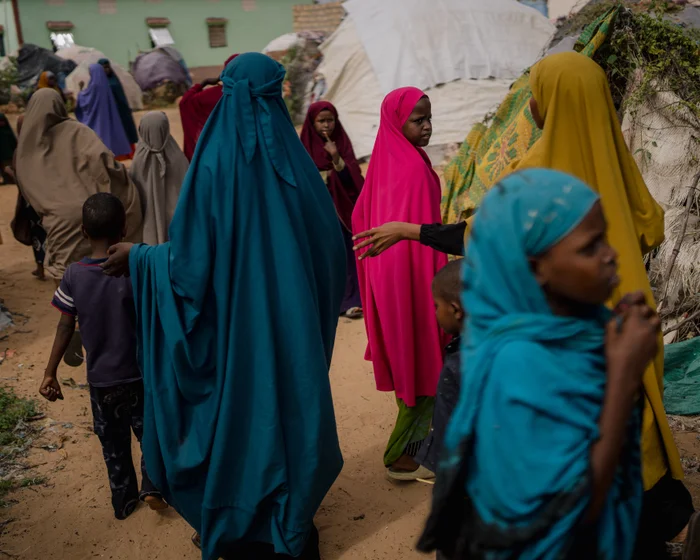
Civilians in southern Somalia are facing overlapping dangers from airstrikes and flooding, with residents describing difficulty escaping rising water along the River Juba, according to The Guardian. Its report raises allegations that operations against al-Shabaab are pushing people into flood-prone areas, without establishing that this is a deliberate military strategy.
The account centres on Jilib, a city in territory held by al-Shabaab, where residents say repeated attacks have restricted their movements. The danger described is not simply that homes are flooding: people also fear the journey away from them. That leaves families weighing the immediate threat of rising water against the perceived danger of moving during airstrikes.
Cayni Ali, a 27-year-old mother of six interviewed by the newspaper, described floodwater reaching her waist. Her home stood about five metres from the river, placing it directly beside the advancing water. She said repeated airstrikes were keeping residents pinned near the river rather than allowing them to leave safely.
Ali also described the persistent sound of drones and alleged that attacks had killed civilians and animals. Her testimony conveys the fear experienced by a family confronting both threats at once. However, the supplied account does not identify individual strikes, establish responsibility for each attack or provide a verified civilian casualty total.
The Guardian frames the allegations around whether the effects of El Niño are being exploited through military action. US Africa Command denies targeting civilians, deliberately displacing populations or using weather and flooding as warfare. The distinction between alleged consequences and alleged intent is central: people being driven towards dangerous ground would not, by itself, establish that flooding was the intended weapon.
For the families described, that distinction does not remove the immediate problem of finding somewhere safe. A location that offers refuge from an attack may expose them to rising water, while leaving a flooded home may require movement they consider unsafe. Ali’s account illustrates how simultaneous threats can narrow civilian choices even when the purpose of military operations remains disputed.
The reporting also leaves important questions unresolved about the scale and sequence of events. The supplied testimony does not show how many people have been unable to leave, which routes remain accessible or how particular attacks affected evacuation decisions. Those details would be necessary to assess the broader allegation rather than treating one resident’s experience as a complete account of the campaign.
The next test for the allegations is evidence connecting specific operations, civilian movements and flood exposure. Any assessment of deliberate exploitation would need to distinguish foreseeable harm from an intention to cause it. For now, the report presents a stark account of civilian vulnerability, while the claim that flooding is being weaponised remains contested.
Primary source: The Guardian World. Newzly rewrites and structures source reporting for clarity; verify critical details at the original.