Spain train crash survivors describe panic, injuries and desperate escapes
Passengers described being thrown through carriages and struggling past scattered luggage after Wednesday’s collision in Toledo province, as survivors’ accounts brought the human toll of the disaster into focus.
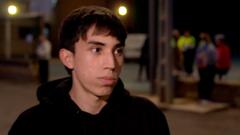
Passengers caught in Wednesday’s train crash in Spain’s Toledo province described a sudden, violent impact that turned their journey into a struggle to escape damaged carriages. Survivors spoke of shock, panic and anger, according to BBC reporting, while other witnesses recounted helping injured travellers beside the tracks.
At least 68 people were killed near Urda, according to the regional government of Castile-La Mancha, cited by El País. A Renfe AVE high-speed train collided with an Iryo service that was stationary on the tracks, leaving passengers confronting wreckage rather than continuing their journeys south.
Ana María, a passenger travelling to Seville with her husband, told El País that their train had stopped after passengers were informed of problems on the line. Shortly after it moved again, the collision threw her into luggage, she said. Her husband suffered a serious blow to the head, and the couple were being taken to hospital in Toledo.
Another passenger, Jesús Jerónimo, described being hurled against the seat ahead while working on his laptop. He told El País that travellers gradually made their way out and found injured and shocked people around the train. He described helping emergency crews by holding intravenous drips, illustrating how some survivors became part of the immediate response.
Escaping presented its own difficulties. Passenger Juan Casares told El País that luggage obstructed entrances and exits, and that he and other travellers broke a window to get out. His account also described fear that another train might approach, adding to the confusion in the aftermath of the collision.
The disaster has renewed scrutiny of railway safety beyond the immediate rescue effort. El País reported that Prime Minister Pedro Sánchez promised a full investigation and said it was unacceptable for Spain to experience two such accidents in the same year. For survivors, the questions concern how the sequence they experienced inside the carriages was allowed to unfold.
Transport Minister Óscar Puente linked the collision to an instruction allowing a train to resume movement after a safety-system failure, The Associated Press reported. His account was an official explanation of the sequence, not a completed finding assigning responsibility. Establishing the decisions and conditions behind the crash remains distinct from documenting what passengers saw and felt.
Rail services between Madrid, Ciudad Real and Andalusia were suspended, according to AP, while emergency workers searched the wreckage. The next stage will centre on the investigation Sánchez has promised and on accounting for the victims. Survivors’ testimony records the consequences of the collision, but the technical explanation must come from scrutiny of the railway’s operations and safety systems.
Primary source: BBC World. Newzly rewrites and structures source reporting for clarity; verify critical details at the original.