Spix’s Macaw Recovery Effort Unravels in Controversy
The Brazilian blue bird made famous by “Rio” became the focus of an ambitious recovery effort. Smithsonian Magazine reports that the attempt collapsed amid controversy and confusion.
In this piece
The Spix’s macaw disappeared from South American skies more than 30 years ago, according to Smithsonian Magazine. An effort to bring back the Brazilian species,…
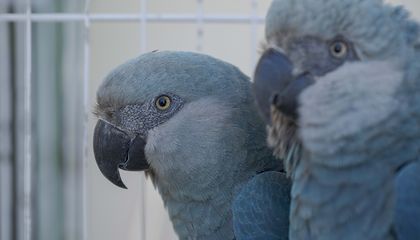
An effort to bring back the Spix’s macaw, the Brazilian blue bird made famous by the animated hit “Rio,” collapsed amid controversy and confusion, according to Smithsonian Magazine. The species had disappeared from South American skies more than 30 years earlier, making its planned return a conservation story with unusually high public visibility.
The magazine’s account places the real bird, rather than its animated counterpart, at the center of a troubled recovery effort. Its description presents a stark contrast: a species familiar to movie audiences became the subject of an attempt at restoration that ultimately unraveled. The supplied excerpt does not explain the disputes behind that outcome.
The distinction between disappearance from the wild and the loss of an entire species is important when describing such a story. The source material says the macaw disappeared from South American skies and describes an effort to bring it back. It does not provide population figures or establish the present status of every surviving bird.
“Rio” gives the story a recognizable cultural reference, but the conservation outcome is the central issue in the magazine’s report. Familiarity with a bird on screen does not, by itself, explain what happened to a real-world recovery program. Here, the source describes both an ambitious objective and a breakdown, without supplying the intervening details in the excerpt.
Bringing a species back is also a different claim from announcing an effort to do so. An initiative can establish a goal without demonstrating that a lasting return has been achieved. The supplied material supports reporting that a recovery attempt took place and collapsed, but not a conclusion about the precise extent of any progress before that collapse.
The controversy therefore matters beyond the contrast with an animated success story. It raises the question of what prevented the effort from delivering its intended outcome. However, the excerpt names no individuals or organizations, identifies no specific decisions and offers no basis for assigning responsibility for the breakdown.
Those limits leave several consequential questions unanswered: what the effort accomplished, why it unraveled and what its collapse meant for the birds involved. The supplied account also gives no timetable for further action. Describing a successor program, a new release or an agreed recovery plan would go beyond the information provided.
For now, Smithsonian’s account frames the Spix’s macaw as both a symbol of conservation ambition and the focus of a deeply troubled comeback effort. What happens next remains unspecified in the available material. The unresolved issue is whether the ambition to restore the bird to its former skies can move beyond the controversy surrounding this attempt.
Primary source: Smithsonian Magazine. Newzly rewrites and structures source reporting for clarity; verify critical details at the original.