Sudanese Groups and Rights Monitors Denounce UAE Nominee for Top UN Role
Members of the Sudanese diaspora and human rights monitors have condemned the UAE’s nomination of Lana Nusseibeh for UN secretary-general, citing her defense of Abu Dhabi against allegations of backing Sudan’s paramilitary forces.
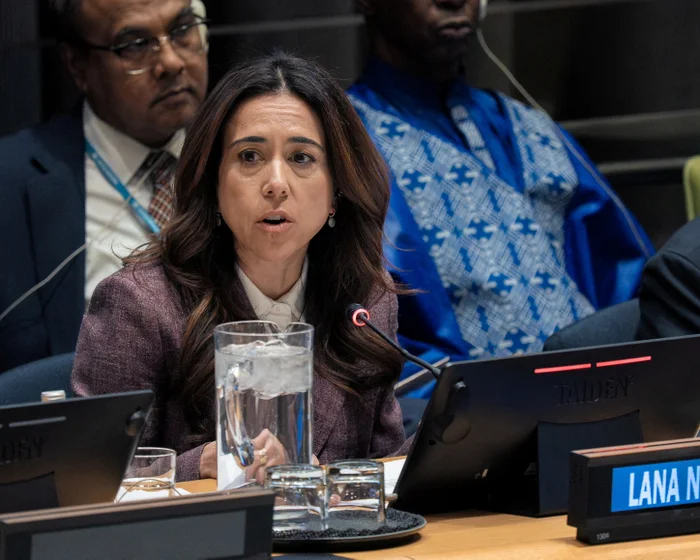
Members of the Sudanese diaspora and international human rights organizations have mounted a fierce campaign against the United Arab Emirates’ nomination of Lana Nusseibeh to serve as the next United Nations secretary-general. The opposition centers on her public denials of allegations that Abu Dhabi has supplied military and logistical support to Sudan’s paramilitary Rapid Support Forces.
The UAE formally put forward Nusseibeh, its minister of state for foreign affairs and former permanent representative to the United Nations, to succeed António Guterres as he concludes his second five-year term at the end of the year. The move injected a prominent Middle Eastern diplomat into what had become a gridlocked race to lead the world body, presenting her as an experienced multilateral negotiator.
However, the candidacy immediately collided with growing international outrage over the catastrophic civil war in Sudan, which erupted in April 2023 between the Sudanese Armed Forces and the paramilitary Rapid Support Forces. The fighting has triggered the world’s largest displacement crisis and created catastrophic humanitarian conditions, with millions facing famine and severe deprivation across the country.
Independent monitors, human rights groups, and panels of experts convened by the United Nations have repeatedly documented credible evidence indicating that the UAE has funneled weapons, ammunition, and logistical backing to the RSF. Paramilitary fighters have been widely accused of carrying out mass atrocities, widespread sexual violence, and ethnically targeted killings, particularly during brutal operations across the Darfur region.
Throughout her diplomatic tenure in New York and Abu Dhabi, Nusseibeh has consistently served as the primary voice defending Emirati foreign policy on the world stage. Critics emphasize that her blanket dismissals of documented weapons transfers and logistical assistance run directly counter to the findings compiled by UN investigators and independent investigative watchdogs.
Major human rights organizations, including Human Rights Watch and grassroots advocacy groups, have warned that selecting a candidate closely associated with the defense of alleged atrocities would inflict lasting damage on the credibility of the United Nations. Sudanese diaspora networks have similarly organized petitions and open letters, arguing that elevating Nusseibeh would signal impunity and abandon victims of the violence.
The diplomatic friction spilled into formal proceedings during interactive dialogues hosted by the UN General Assembly, where representatives of Sudan’s mission raised blunt objections to her qualifications. Sudanese diplomats questioned whether a figure representing a government widely accused of fueling the conflict could ever command the moral authority and institutional independence required of the secretary-general.
Addressing the growing criticism during her official candidate hearings, Nusseibeh insisted that finding a durable resolution to the war in Sudan must serve as a litmus test for the incoming UN leadership. She stated that she had stepped aside from her ministerial responsibilities to pursue the nomination independently and referred detailed policy questions regarding state decisions to the UAE mission.
The dispute comes at a pivotal juncture for the United Nations, which faces intensifying skepticism over its ability to enforce international law and resolve complex armed conflicts. As Security Council members and the wider General Assembly deliberate ahead of the formal selection, Nusseibeh’s bid is set to test the limits of diplomatic consensus in an increasingly fractured global landscape.
Primary source: The Guardian World. Newzly rewrites and structures source reporting for clarity; verify critical details at the original.