Supreme Court Hears Case on Rahul Gandhi's Opposition March
The Supreme Court is set to hear matters arising from an October 12 opposition march toward the court, following judicial warnings that the institution cannot be intimidated.
In this piece
India's Supreme Court is hearing matters regarding a protest march led by Rahul Gandhi and opposition leaders toward the court on October 12. The proceedings…
The Supreme Court of India is scheduled to hear proceedings concerning the protest march conducted by Leader of the Opposition Rahul Gandhi and other opposition figures toward the court complex, according to a report by Divya Bhaskar. The hearing follows earlier scrutiny by the apex court regarding the assembly organized by leaders of the Indian National Developmental Inclusive Alliance in the national capital.
During previous court proceedings on the matter, the Chief Justice of India firmly remarked that no outside entity could intimidate or browbeat the judiciary. The bench had cautioned against attempts to exert public or political pressure on judicial proceedings, reaffirming that the court functions strictly within constitutional parameters without being swayed by demonstrations.
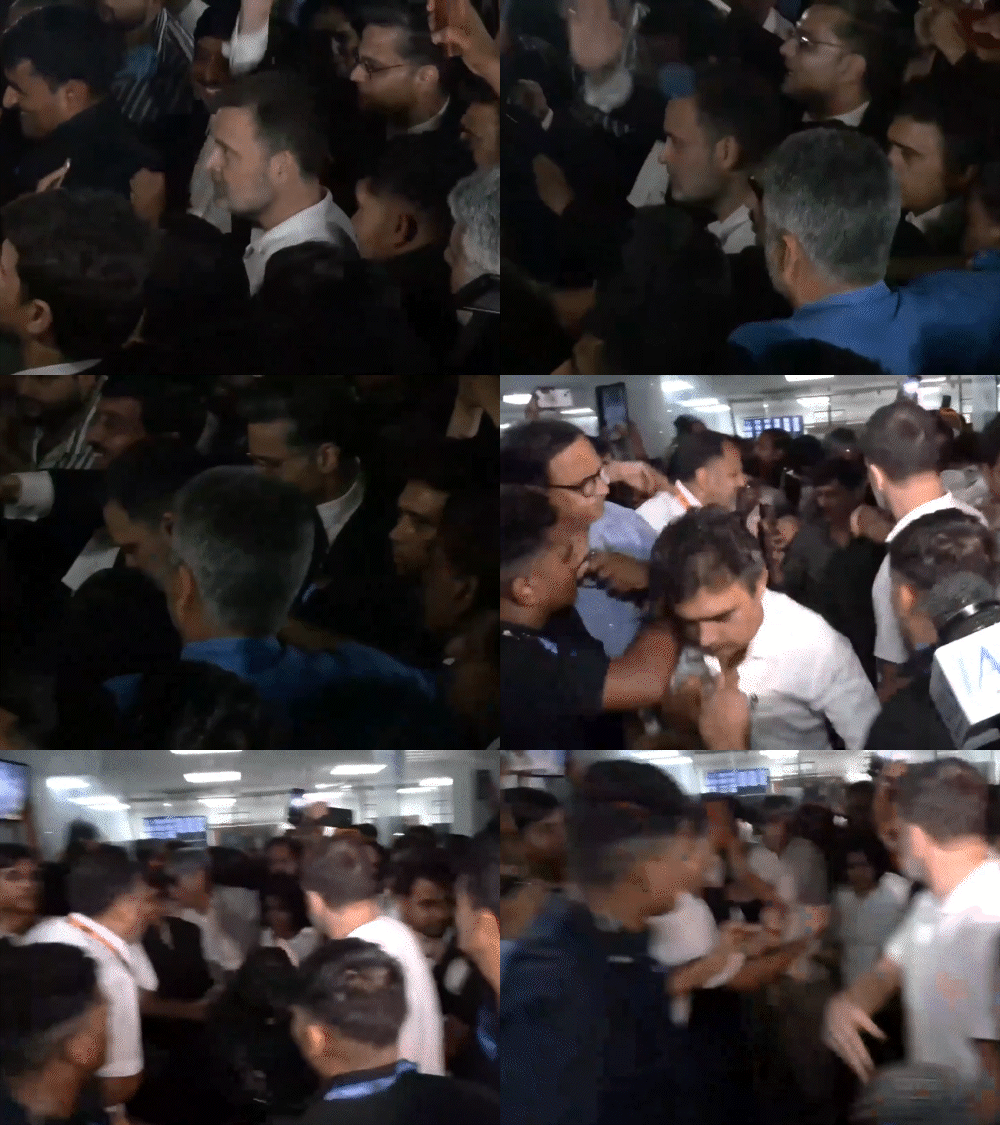
The case originates from an October 12 march staged by senior opposition politicians, including Congress leadership and regional allies, heading toward the Supreme Court. The demonstration was organized to voice grievances over alleged irregularities in electoral rolls and to raise objections against procedures overseen by the Election Commission of India.
Opposition representatives sought to submit formal representations highlighting their concerns over voter roll revisions and democratic safeguards. Organizers stated that the public march was intended to draw attention to institutional transparency and the integrity of electoral procedures, though the approach toward the top court raised immediate procedural objections.
Following the march, the apex court issued notices seeking detailed responses and clarifications from prominent political leaders involved in the event, including Rahul Gandhi, Congress president Mallikarjun Kharge, and Samajwadi Party chief Akhilesh Yadav. The bench examined whether demonstrations near the judicial premises infringed upon security protocols and institutional decorum.
Administrative authorities and ruling coalition leaders had previously criticized the march, terming the convergence of political demonstrators near the court an inappropriate bid to politicize judicial institutions. Law enforcement agencies in New Delhi were tasked with reviewing security measures and access regulations surrounding high-security zones around the Supreme Court complex.
Legal experts and court observers have noted that while peaceful assembly and the right to petition institutions remain fundamental constitutional rights, courts have consistently maintained stringent guidelines regarding protests in immediate proximity to judicial benches. The bench underscored that judicial independence requires complete insulation from street-level political agitation.
The controversy reflects heightened friction between the parliamentary opposition and administrative bodies regarding election oversight mechanisms. Opposition parties maintain that institutional avenues for grievance redressal must remain accessible, while judicial authorities emphasize that legal challenges must adhere strictly to established filing protocols rather than collective demonstrations.
In the ongoing proceedings, the Supreme Court is expected to review the submissions filed by the cited leaders and examine official reports regarding the events of October 12. Observers expect the court to establish clearer boundaries governing public gatherings near judicial premises while adjudicating whether any further legal action or guidelines are warranted.
Primary source: Divya Bhaskar National. Newzly rewrites and structures source reporting for clarity; verify critical details at the original.