Tomb Raider Remake Gameplay Showcase Sparks Debate Over New RPG Mechanics
A fresh gameplay deep dive into the upcoming Tomb Raider remake, Legacy of Atlantis, has ignited debate across the gaming community over the introduction of modern role-playing elements into the classic franchise formula.
In this piece
A newly released gameplay deep dive for the Tomb Raider remake, titled Legacy of Atlantis, has drawn mixed reactions from long-time fans. The showcase…
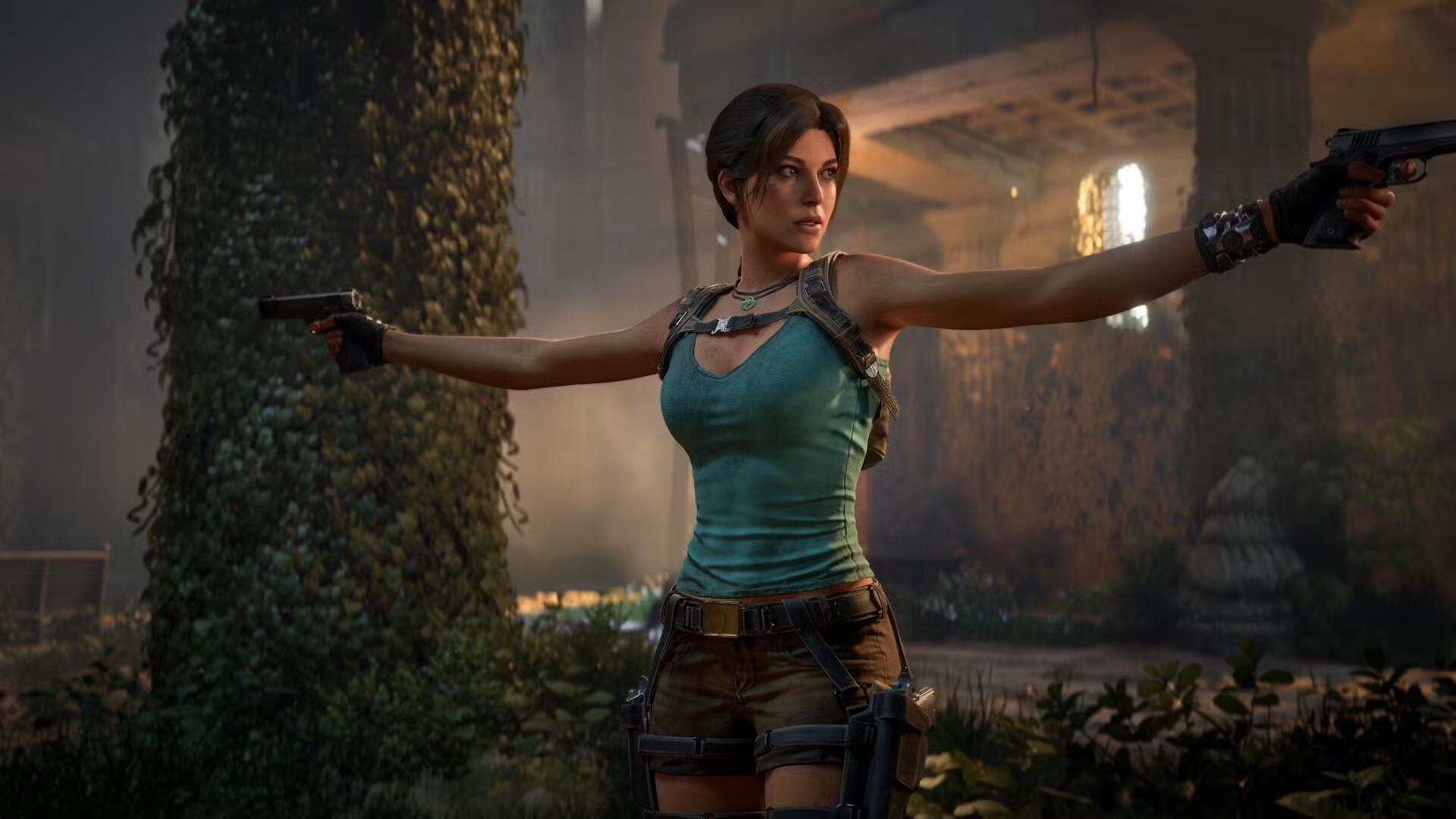
A newly published gameplay deep dive for the upcoming Tomb Raider remake, titled Legacy of Atlantis, has ignited intense discussion across the gaming community. The presentation offered players an extensive preview of updated systems, highlighting several modern role-playing features that depart from the franchise's traditional structure. The showcase quickly prompted debates over the proper balance between faithful preservation and creative reinvention.
The footage, spotlighted by gaming outlets including Polygon, reveals an ambitious mechanical direction that blends classic environmental exploration with deeper progression mechanics. While some viewers welcomed the overhaul as a refreshing evolution, others expressed immediate concern that the additions could disrupt the core identity of the classic adventure.
At the heart of the divide are the title's newly introduced RPG elements, which represent a noticeable departure from early entries in the long-running series. Traditional installments primarily emphasized precision platforming, environmental puzzle-solving, and direct, kinetic navigation through perilous ruins without elaborate stat tracking. For many longtime fans, simplicity and isolation were fundamental to the atmospheric appeal.
In contrast, modern action-adventure titles increasingly rely on progression mechanics such as character stat upgrades, inventory management, and modular skill systems. The inclusion of similar mechanics within Legacy of Atlantis indicates that developers are aligning the remake with contemporary design trends rather than adhering strictly to legacy blueprints. This shift alters how players engage with obstacles and character growth.
Community reactions across social platforms and dedicated gaming forums have reflected sharp divisions among players following the presentation. Purists argue that layering heavy RPG conventions onto an established exploration franchise risks diluting the isolated, puzzle-first atmosphere that originally defined Lara Croft's adventures. Many express worry that numbers and menus could overshadow intuitive discovery.
Supporters, however, maintain that modernizing an aging framework is necessary to engage broader audiences accustomed to contemporary action-adventure games. Proponents point out that robust progression systems can offer players greater tactical flexibility and meaningful incentives to explore expansive game environments thoroughly. They argue that a direct replication of decades-old design might struggle to hold attention today.
The controversy underscores a persistent challenge facing publishers and development studios attempting to revive celebrated intellectual properties. Designers must continually navigate the delicate balance between reverent preservation for veteran enthusiasts and the mechanical depth expected by modern audiences. Leaning too far in either direction often risks alienating critical segments of the player base.
Similar debates have surfaced across several high-profile gaming remakes in recent years, where modernization efforts have frequently clashed with nostalgic expectations. When classic titles transition into contemporary game engines, structural choices surrounding combat pacing, progression, and difficulty tuning routinely become major focal points of community scrutiny. The industry continues to search for the ideal formula to satisfy divergent generations of gamers.
The ultimate reception of Legacy of Atlantis will likely depend on how seamlessly these role-playing systems integrate into the moment-to-moment exploration loop. Industry observers note that player apprehension often softens when mechanical changes feel earned and contextually appropriate rather than like arbitrary industry checklist features. Smooth execution could turn skeptical players into supporters.
As additional details and extended gameplay walkthroughs emerge ahead of the official launch, both longtime followers and newcomers will be monitoring the project closely. Whether these design choices revitalize the franchise or alienate core enthusiasts remains one of the defining questions surrounding the anticipated title. The developers face the difficult task of proving their creative direction in the months ahead.
Primary source: Polygon. Newzly rewrites and structures source reporting for clarity; verify critical details at the original.