Two Solo Bitcoin Miners Score Rare Back-to-Back Block Wins
Two independent Bitcoin miners reportedly discovered blocks on Monday and Tuesday, an unusual sequence highlighting the possibility of individual wins on a network dominated by industrial operators and mining pools.
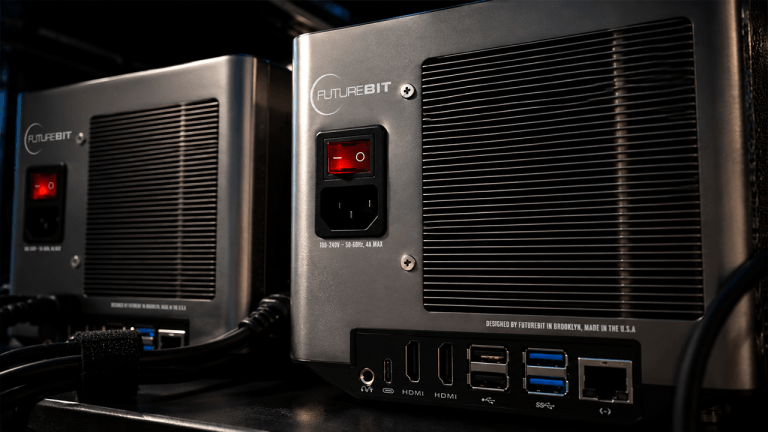
Two solo Bitcoin miners independently discovered blocks on Monday and Tuesday, according to Bitcoin.com News, recording successive-day wins in a network largely dominated by mining firms and collective pools. The report cited blockchain data and accounts of the discoveries, describing an unusual pair of successes for independent participants.
The supplied excerpt links one discovery to a FutureBit Apollo miner. However, it does not provide the block identifiers, calendar dates, equipment specifications or individual payouts, leaving those details unconfirmed here rather than establishing the precise circumstances of either win.
The distinction between solo mining and pooled mining is central to the story. Bitcoin’s developer guide describes solo mining as an approach in which a successful participant receives the block proceeds, while pool participants share proceeds according to contributed computing work. That difference changes how rewards arrive, not the underlying requirement to produce a valid block.
Under Bitcoin’s mining process, machines repeatedly generate hashes while seeking a result that meets the network’s target. A qualifying result allows a miner to broadcast a proposed block for acceptance. More computing power provides more attempts, but does not reserve any particular discovery for the largest operator.
That element of chance explains how an independent participant can succeed despite competing against much larger resources. It also limits what can be concluded from the reported sequence: two wins close together are notable outcomes, not evidence by themselves that the balance of mining power has shifted.
For smaller operators, the practical contrast is between an occasional large payout and more regular shared earnings. Pooling combines participants’ work and distributes proceeds, reducing the variability experienced by an individual miner. Solo mining leaves that participant exposed to potentially long gaps between successful discoveries, as the developer guide explains.
The Apollo reference gives the report a hardware-specific angle, but the available excerpt does not establish how much computing power supported the discovery. Identifying a device is not enough to calculate its chances of success. Such a calculation would also require information about the mining setup and network conditions during the relevant period.
Nor does a successful block, on its own, establish the profitability of a mining operation. The excerpt provides no operating-cost history or information about how long either participant had been mining. Without those details, the discoveries can be described as successful outcomes, but not as proof of a repeatable financial strategy.
The reported wins therefore illustrate the difference between being able to participate and being able to earn consistently. Independent miners can still discover blocks under the same competitive process used by larger operators. Their occasional success can coexist with a network in which firms and pools account for most discoveries.
Further reporting would need to connect each account to a specific block and substantiate the equipment and reward details. Until then, the source-supported conclusion remains narrower: two solo participants reportedly succeeded on successive days, while Bitcoin’s mining framework continues to make individual outcomes uncertain.
Primary source: Bitcoin.com News. Newzly rewrites and structures source reporting for clarity; verify critical details at the original.