Bitcoin’s Seven-Day Hashrate Reclaims 1 ZH/s
Bitcoin’s computing power has returned above a key threshold, according to Bitcoin.com News, even as falling revenue per unit of hashing power and rising difficulty put pressure on miners.
Bitcoin’s seven-day average hashrate has returned to 1 zettahash per second, according to Bitcoin.com News, marking a recovery in the computing power devoted to securing the network. The milestone comes as miners contend with tighter operating economics and an industry shift toward artificial intelligence infrastructure.
One zettahash per second represents 1 sextillion hashing calculations every second, equivalent to 1,000 exahashes per second. The measure describes computational activity rather than transaction volume or the market value of bitcoin, making it a distinct indicator of participation in mining.
The report placed the network’s hashrate at roughly 1.08 ZH/s, with bitcoin trading near $80,000. Hashrate Index separately displayed network computing power above 1,080 EH/s, supporting the broader picture of activity exceeding the zettahash threshold, although readings can vary with timing and measurement windows.
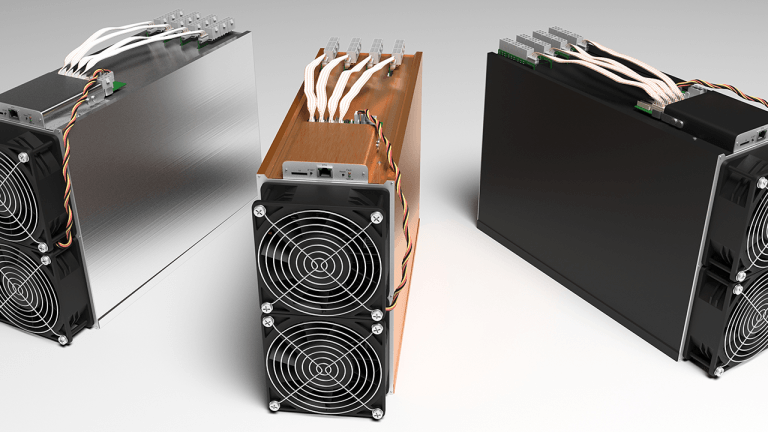
Mining supplies the computational work used to add blocks to Bitcoin’s transaction history. As Bitcoin’s developer documentation explains, specialised hardware repeatedly generates hashes from block headers, searching for a result below the network’s required target. A successful result allows a proposed block to be broadcast to the network.
Operators can mine independently or combine their resources through pools. Solo miners receive rewards when they find a block, while pooled mining distributes proceeds among participants according to their contributions. Pooling reduces the variability of individual payouts without removing the underlying competition for rewards.
Bitcoin.com News attributed the recovery partly to more efficient equipment and suggested smaller and privately held operators were helping offset major miners’ diversification into AI. Those explanations remain interpretations of the recovery rather than a complete accounting of which operators supplied the additional computing power.
Equipment efficiency is important because a higher hashrate alone does not establish profitability. Hashrate Index’s equipment database compares machines by hashing output, power consumption and efficiency, illustrating how different hardware can require different amounts of electricity to deliver computational work. Revenue must still cover operating costs.
Hashprice provides another view of those economics: Hashrate Index defines it as the expected bitcoin or dollar rewards earned from a given amount of hashing power. Its dashboard displayed approximately $36.10 per petahash per day. That is a revenue measure, not a calculation of the profit an individual operator retains.
The source report also described declining hashprice and a recent increase in mining difficulty, a combination that can leave operators competing harder for less revenue per unit of capacity. Consequently, the return above 1 ZH/s should not be read as evidence that financial conditions have improved across the industry.
The next difficulty adjustment will offer another test of the recovery’s operating implications. Bitcoin.com News said faster recent block production pointed toward a further increase, though that outlook remained provisional. Whether computing power stays above the threshold will depend on miners’ ability to sustain operations as revenue, equipment efficiency and difficulty evolve.
Primary source: Bitcoin.com News. Newzly rewrites and structures source reporting for clarity; verify critical details at the original.