UK emergency advice drives demand for bottled water and tinned food
Retailers report increased purchases of food, water and emergency equipment after the government's Be Ready campaign urged households to keep enough supplies to last 72 hours.
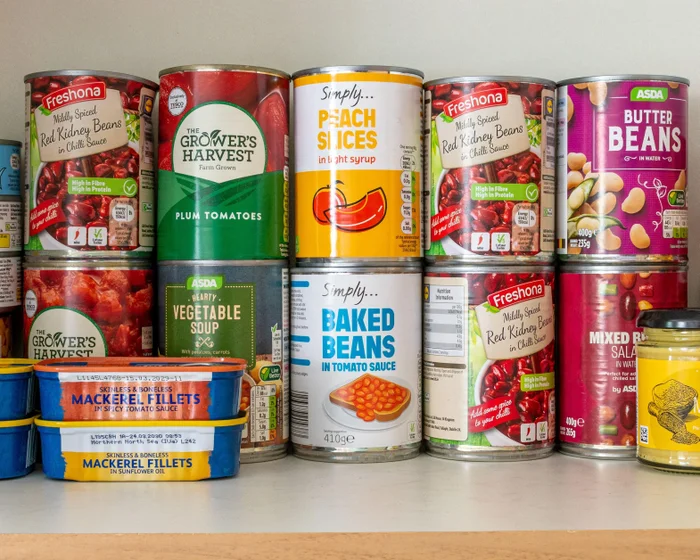
Sales of bottled water, tinned food, wind-up radios and torches have increased after the UK government encouraged households to prepare for emergencies, according to The Guardian. Retailers reported stronger demand following the launch of the Be Ready campaign, which urges people to keep supplies sufficient to last 72 hours.
The campaign, launched the week before the report, focuses on household preparations for disruption, including extreme weather and cyber-attacks. Its central message is to have essential supplies available before an emergency occurs, rather than leaving households to assemble them once normal routines and access to services have been interrupted.
The reported shopping response spans both groceries and equipment. Tinned food and bottled water address basic household needs, while torches and wind-up radios offer ways to provide light and receive information during disruption. Together, those purchases reflect the range of practical preparations covered by the government's appeal to households.
The Guardian reported that Iceland's tinned-product sales rose 40%, although several major supermarkets saw no significant demand change. That contrast is important when interpreting the broader response: stronger purchases at individual retailers do not, on their own, establish that every part of the grocery market is experiencing the same increase.
The 72-hour target gives the advice a defined timeframe, distinguishing a short-term emergency reserve from an open-ended accumulation of goods. The reported rise in purchases suggests that some shoppers have acted on that message, although the supplied account does not establish how many households now have enough provisions to meet the campaign's goal.
The inclusion of extreme weather and cyber-attacks also makes the appeal broader than preparation for a single type of incident. These are presented as examples of emergencies for which households should be ready, not as confirmation that a particular disruption is about to happen. The sales response therefore reflects precautionary purchasing rather than evidence of an unfolding emergency.
For retailers, the immediate development is a change in demand across products that serve different purposes but share a connection to preparedness. For households, the campaign turns a general warning about possible disruption into a concrete planning period. The available information does not show whether the additional purchases represent complete emergency kits or only the first items being set aside.
The next question is whether the initial shopping response translates into lasting household preparedness. The reported sales increases show an early reaction to the campaign, but do not establish how long demand will remain elevated. Its longer-term effect will depend on whether households continue preparing after the launch attracts less attention.
Primary source: The Guardian Business. Newzly rewrites and structures source reporting for clarity; verify critical details at the original.