UK discusses long-term EU options including free movement before summit
Jonathan Reynolds says November negotiations will prioritise trade and youth mobility, while officials also discuss longer-term options for Britain’s relationship with the European Union.
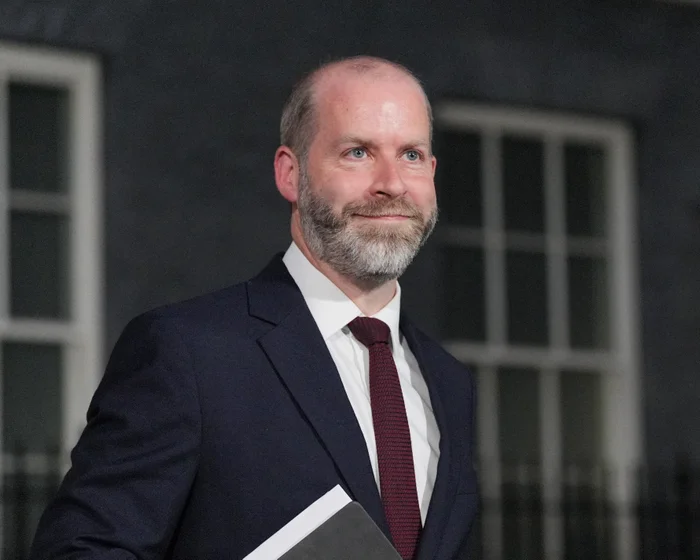
British officials have begun discussing longer-term relations with the European Union, including options that could involve a return to free movement, business secretary Jonathan Reynolds has said. The discussions come ahead of a November summit whose immediate priorities remain trade restrictions and a youth mobility agreement, according to the Guardian.
Reynolds said Prime Minister Andy Burnham wanted a stable, lasting relationship with the bloc. He distinguished that broader ambition from the government’s immediate negotiating agenda, presenting the summit as the focus for practical agreements while acknowledging that officials were also considering what might follow.
The distinction leaves two strands to the discussions: measures intended to improve the existing relationship and consideration of a potentially more substantial change. Reynolds’s account does not amount to an announcement that Britain will restore free movement. Instead, it places that possibility within a wider discussion about the relationship’s future direction.
For November, the stated objectives are an agreement easing some trading restrictions and a deal on youth mobility. Both are narrower than the long-term question Reynolds described. The account supplied does not set out the proposed agreements’ detailed terms, their scope or the conditions either side would require before accepting them.
Youth mobility and a return to free movement should therefore not be treated as interchangeable outcomes of the talks. The former is identified as an immediate negotiating objective; the latter is described as a possibility within longer-term discussions. Nothing in Reynolds’s reported comments establishes that agreement on one would settle the other.
The business secretary also stressed that the British public would determine what the country ultimately accepted. That assurance gives the broader discussions a domestic political dimension alongside their diplomatic purpose. However, he did not specify whether voters would be consulted through a general election or a referendum, leaving the mechanism unresolved.
For businesses, the most immediate issue in the stated agenda is whether negotiations can reduce restrictions affecting trade. Reynolds’s emphasis on the November summit puts those potential improvements ahead of any definitive settlement of the wider relationship. No completed agreement or quantified benefit is established by the supplied account.
Burnham’s stated preference for stability provides the rationale for looking beyond individual agreements. Yet a desire for a durable relationship does not, by itself, establish which arrangements the government will pursue or which compromises it would accept. Those remain questions rather than settled elements of the negotiating position described by Reynolds.
The next milestone is the November summit, where the government hopes to secure progress on trade and youth mobility. Its outcome will provide a clearer measure of the immediate negotiations. The longer-term discussion, including whether free movement becomes a concrete proposal, remains separate from those anticipated agreements.
Primary source: The Guardian Business. Newzly rewrites and structures source reporting for clarity; verify critical details at the original.