UN Talks on Regulating Autonomous Weapons Collapse in Geneva
A week of United Nations negotiations in Geneva failed to establish a mandate for a binding treaty on autonomous weapons after overnight talks broke down over Russian opposition. The impasse leaves future limits on AI warfare in doubt.
In this piece
Week-long United Nations talks in Geneva on regulating autonomous weapons collapsed after all-night negotiations failed to overcome objections from Russia.…
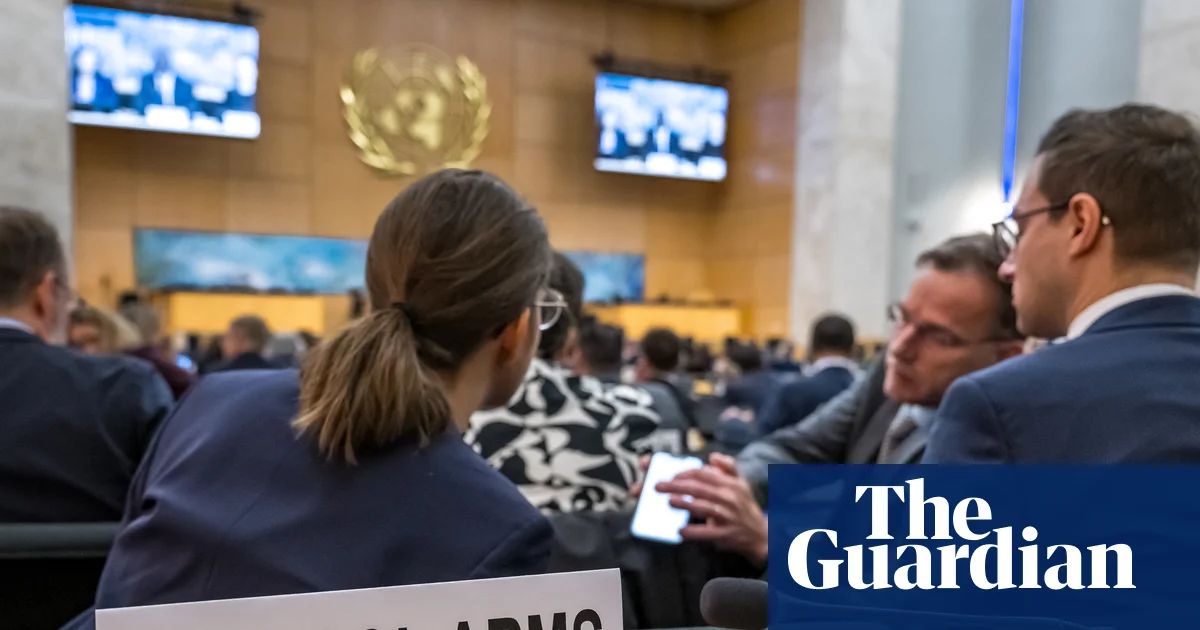
International diplomatic efforts to establish a formal negotiating mandate for a legally binding treaty regulating autonomous weapons collapsed early Saturday morning in Geneva. Following marathon, all-night deliberations that stretched past 4 a.m. at the United Nations, delegates failed to overcome resolute resistance from Russian negotiators. The breakdown marks a significant setback for multilateral arms control at a time when artificial intelligence is rapidly transforming global military operations.
The week-long conference of the Convention on Certain Conventional Weapons had brought together diplomats seeking to place clear, enforceable limits on autonomous weapon systems. Despite an overwhelming majority of participating nations supporting a direct mandate to draft an international treaty, the summit ended without achieving that goal. Because the governing body operates strictly on consensus, objections from a single dissenting state proved insurmountable.
Throughout the week of negotiations, proceedings were hampered by repeated procedural disputes and diplomatic delays. Observers noted that Russian delegates utilized procedural maneuvers to forestall substantive debate on binding restrictions, stretching the talks well into the overnight hours. The deadlock demonstrated the acute institutional vulnerability of multilateral disarmament forums where unanimous agreement is mandatory.
The central divide pitted a broad coalition of states, international legal experts, and civil society groups against a small group of technologically advanced military powers. Proponents argued that rapid advances in autonomous targeting and robotic warfare require immediate, binding prohibitions to protect civilians. In contrast, opposing delegations, led by Moscow, maintained that existing international humanitarian law already provides adequate standards to govern emerging weapon technologies.
Faced with total collapse, negotiators eventually settled for a heavily diluted compromise rather than abandoning the diplomatic track entirely. Under the agreed language, delegates pledged to continue discussions to elaborate possible measures by consensus over the next two years. Crucially, the final text omitted any reference to a negotiating mandate for a legally binding instrument, substantially weakening the prospective outcome.
Human rights advocates and arms control organizations voiced immediate dismay over the weakened mandate, arguing that the forum failed to meet an urgent historical test. Campaigners warned that substituting genuine treaty negotiations with non-binding dialogue allows military developers to advance algorithmic weapons unchecked. They argued that every delay in formal regulation further normalizes the automation of lethal decision-making on the battlefield.
The diplomatic impasse arrives as artificial intelligence and autonomous capabilities are already seeing accelerated deployment in modern combat zones. Defense analysts note that automated recognition, drone swarms, and algorithmic guidance systems are increasingly determining target selection under conditions where human oversight can become minimal. Ethicists emphasize that surrendering lethal targeting decisions to software algorithms presents grave moral, humanitarian, and strategic dangers.
With the Geneva pathway severely restricted by consensus requirements, many frustrated governments may now look toward alternative diplomatic venues to pursue binding global prohibitions. Similar past deadlocks over landmines and cluster munitions ultimately prompted like-minded nations to negotiate landmark humanitarian treaties outside formal United Nations consensus bodies. Unless such independent initiatives gain traction, the global development of autonomous weapons will continue without enforceable international boundaries.
Primary source: The Guardian Science. Newzly rewrites and structures source reporting for clarity; verify critical details at the original.