US Approves Potential Sale of 500 Patriot Missiles to Ukraine in $2.1B Deal
The State Department has cleared a potential $2.1 billion sale of 500 Patriot interceptors to Ukraine, strengthening Kyiv's defenses against ballistic missile attacks through allied-backed funding.
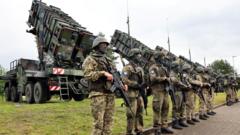
The United States has approved a potential foreign military sale of 500 Patriot missile interceptors to Ukraine in a deal valued at approximately $2.1 billion. The State Department cleared the transfer of the advanced surface-to-air munitions to reinforce Ukraine's ability to defend its cities and critical infrastructure against ongoing Russian airstrikes. The Defense Security Cooperation Agency formally notified Congress of the proposed transaction, marking a major step in bolstering Kyiv's long-term air defense architecture.
The package includes up to 500 Patriot Advanced Capability-3 (PAC-3) Missile Segment Enhancement (MSE) interceptors alongside related telemetry, training, and logistical support equipment. Manufactured by defense contractor Lockheed Martin, the PAC-3 MSE represents the most capable tier of the Patriot family, utilizing hit-to-kill kinetic technology designed to destroy incoming ballistic threats directly on impact. Ukrainian military officials have consistently described the system as their only reliable shield capable of intercepting Russia's fastest ballistic and aeroballistic missiles.
Unlike earlier military transfers drawn directly from American stockpiles, this prospective transaction is structured as a direct military sale rather than U.S. taxpayer-funded aid. Financing for the procurement is being coordinated with international partners, including European allies and contributions backed by European Union loan mechanisms. Countries such as Canada, Germany, and Norway have participated in allied initiatives designed to fund emergency purchases of advanced American munitions on behalf of Kyiv.
The approval comes at a critical juncture in the conflict as Ukrainian forces face severe exhaustion of their surface-to-air missile stockpiles. Moscow has escalated aerial bombardment campaigns against Ukrainian energy grids and civilian population centers, relying heavily on salvos of ballistic and cruise missiles paired with attack drones. Western military analysts note that defending vast territorial space requires a continuous replenishment of high-end interceptors that few nations possess in significant quantities.
The PAC-3 MSE interceptors feature larger rocket motors, redesigned control surfaces, and improved guidance software that grant them greater altitude and range compared to earlier iterations. These technical enhancements allow Patriot batteries to engage complex terminal threats, including Iskander short-range ballistic missiles and Kinzhal air-launched weapons. Without adequate supplies of these specialized interceptors, Ukrainian commanders have faced difficult tactical decisions regarding which airfields, power plants, and cities to protect.
While the regulatory approval clears legal hurdles, actual delivery timelines for the interceptors will depend heavily on production capacity and allocation priority. Global demand for Patriot interceptors has surged across NATO members and Indo-Pacific partners seeking to modernize their air defenses. Lockheed Martin and allied manufacturers have been expanding assembly lines, yet meeting immediate delivery requirements alongside existing orders remains an ongoing logistical challenge for defense planners.
The sale reflects a broader strategic pivot by Western allies toward durable, multi-year procurement mechanisms to sustain Ukraine's resistance. By organizing multilateral funding pools, partner governments aim to ensure a steady pipeline of advanced air defense weapons without exhausting individual national arsenals. Diplomats emphasize that maintaining an intact Ukrainian air defense umbrella remains essential to preventing Russian air supremacy and protecting civilian populations from devastating nationwide strikes.
Officials in Washington and European capitals continue to frame robust air defense support as fundamentally defensive and essential for regional stability. The decision signals sustained allied resolve despite shifting political debates over long-term security commitments to Ukraine. At the same time, regional security observers underscore that preserving Kyiv's intercept capability is critical to safeguarding repair efforts across Ukraine's energy network ahead of demanding winter conditions.
Congressional review will precede the finalization of contracts between Ukrainian authorities and the primary defense contractors. Following clearance, implementation will involve fine-tuning production scheduling and coordinating deliveries alongside ongoing maintenance and operational training programs. With the approval now in place, Ukraine and its international backers move one step closer to securing critical stockpiles to safeguard the nation's skies against persistent aerial warfare.
Primary source: BBC World. Newzly rewrites and structures source reporting for clarity; verify critical details at the original.