US Gujarati Couple Adopts Two Young Rescued Siblings from Surat Shelter
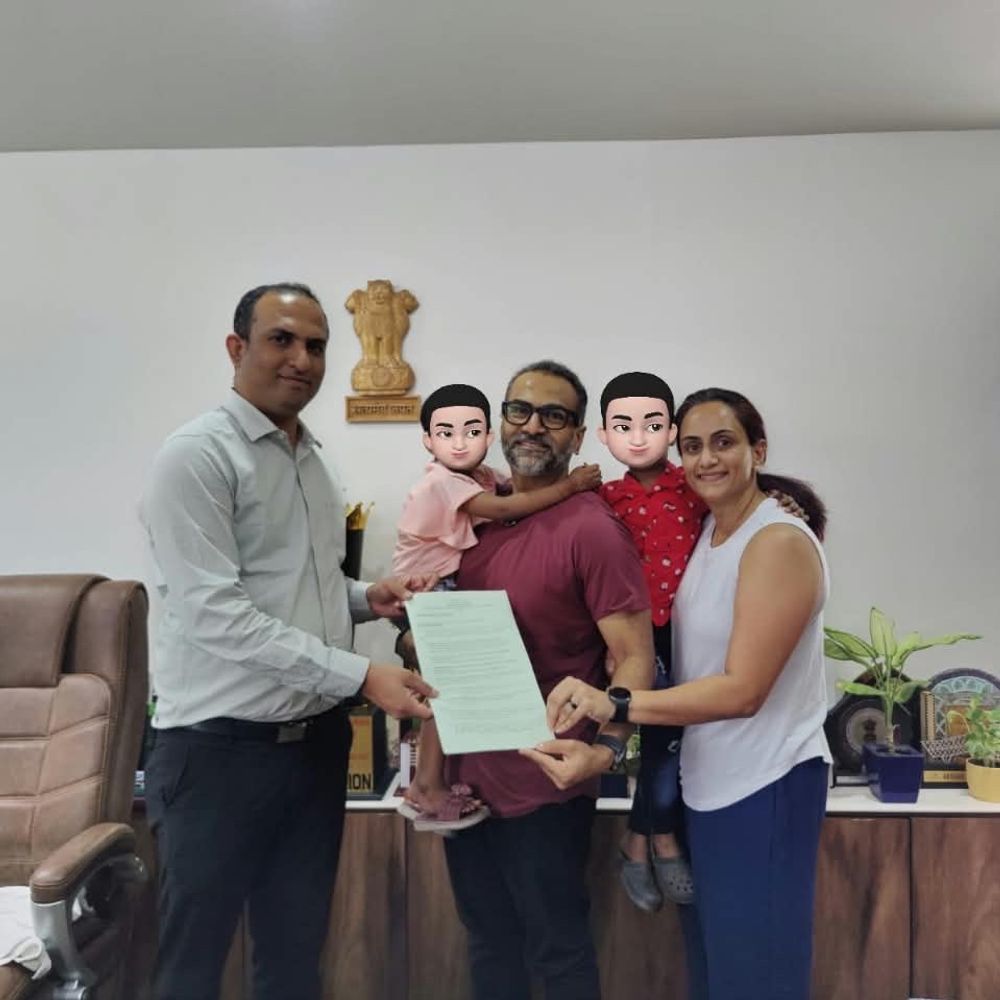
A Gujarati-American couple based in New York has legally adopted two young siblings found wandering in Surat, completing a multi-year inter-country process through India's central adoption authority.
In this piece
Two young siblings rescued from the streets of Surat and sheltered at the Katargam children's home have been legally adopted by a Gujarati couple living in the…
A Gujarati-American couple residing in the United States has legally adopted two young children who were rescued from the streets of Surat in Gujarat. The children, aged four and five, had been living under institutional care at a specialized adoption home in the city's Katargam area. The formal adoption brings a close to years of shelter care for the young siblings, opening a path toward a new home abroad.
The adoption was formalized under the statutory framework of India's Central Adoption Resource Authority, known as CARA. Surat administrative authorities and district child protection officials completed the legal documentation and procedural reviews before sanctioning the custody transfer. Officials confirmed that all statutory safeguards governing inter-country adoptions were strictly observed throughout the proceedings.
The two young siblings were initially discovered wandering unattended in public areas of Surat under circumstances of acute distress and abandonment. Following their rescue by local welfare authorities, the children were placed at the Katargam Shishu Gruh to ensure their immediate safety and well-being. At the facility, specialized staff provided healthcare, nourishment, and psychosocial support to help the children recover from early hardships.
The adoptive parents, an Indian-origin couple working in the financial services sector in New York, had applied to adopt through official inter-country channels several years ago. They completed home study evaluations, background verifications, and cross-border clearances in the United States before being matched with the Surat children. The couple traveled to Gujarat to meet the children and finalize the legal transfer in person.
Child welfare advocates emphasized the importance of keeping the two siblings together rather than placing them in separate households. Preserving sibling relationships remains a core objective of modern adoption protocols, especially for children who have experienced trauma and institutional care. Officials noted that joint adoptions provide emotional continuity and vital familiar support as children transition into an unfamiliar environment.
Inter-country adoptions from India operate under stringent national laws and the Hague Adoption Convention to prevent trafficking and protect minors. District magistrates and family courts in India must review independent welfare reports and verify institutional compliance before approving overseas placements. The rigorous multi-tiered evaluation ensures that prospective parents possess the financial, psychological, and domestic capability to raise adoptive children.
During their tenure at the Katargam shelter, the children participated in basic early childhood education and group activities designed to foster social development. Caregivers and social workers gradually prepared the pair for the major life change, helping them become comfortable with their new parents during initial bonding sessions. Shelter representatives expressed deep satisfaction that the siblings would now have access to stable domestic care.
With district-level custody approvals granted, the family is completing passport issuance, exit visas, and embassy procedures to facilitate travel to the United States. Following their arrival in New York, accredited international adoption agencies will conduct periodic post-placement monitoring visits for up to two years. These recurring progress reports will be submitted directly to Indian child welfare regulators to monitor the children's health, education, and social integration.
Primary source: Divya Bhaskar NRG. Newzly rewrites and structures source reporting for clarity; verify critical details at the original.