US measles setback adds pressure on Kennedy’s health agenda
The United States has lost its measles elimination status, according to a Guardian podcast examining the public health implications and political pressures facing Robert F Kennedy Jr’s Make America Healthy Again movement.
In this piece
A Guardian science podcast examines the loss of US measles elimination status after 26 years and its implications for residents. The discussion also considers…
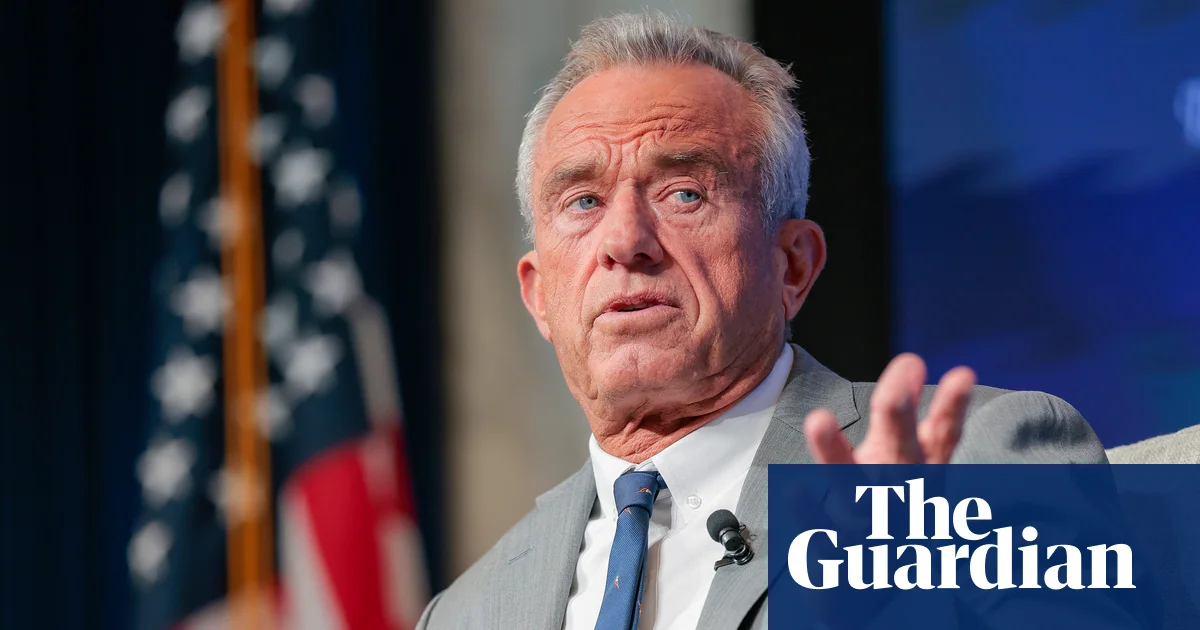
The United States has lost its measles elimination status after 26 years, according to a Guardian science podcast examining the public health and political implications of the setback. The episode connects the development with mounting challenges for health secretary Robert F Kennedy Jr and his Make America Healthy Again movement.
The Guardian describes the loss of status as official recognition that measles is again endemic in the country. Its accompanying coverage characterizes the outbreak as the worst since 1991, placing the development in the context of a significant reversal after a long period of elimination.
Host Ian Sample speaks with Jessica Glenza, the Guardian’s US health reporter, about what the change means in practical terms for people living in the United States. The episode’s description frames the issue around both the disease itself and the responsibilities of those overseeing the country’s health agenda.
The distinction between elimination and the current designation is central to the discussion. As presented by the Guardian, the announcement is not simply an account of individual infections: it marks a change in the country’s formally recognized relationship with a disease that had been eliminated for more than two decades.
The supplied description does not give case totals, identify affected communities or detail the process behind the status decision. It therefore establishes the broad national development without providing enough information to assess how the outbreak’s effects differ across the country or what specific measures authorities are taking.
For Kennedy, the development comes at what Glenza describes as an already difficult moment. The podcast considers the implications for Make America Healthy Again, tying a prominent public health setback to questions about the movement’s political position and the health secretary’s leadership.
That connection gives the episode a wider focus than the outbreak alone. Its title asks whether measles and the midterms could undermine the movement, but the available description does not establish that either has determined its future or provide evidence of a particular electoral consequence.
The discussion also turns to newly elected Democrats and the health issues they will prioritize. The description does not identify those politicians or specify their proposals, leaving the details of that part of Glenza’s analysis to the podcast rather than setting out a separate policy program.
The episode brings together two questions: what the loss of elimination status means for residents, and how health outcomes could shape political scrutiny. Its framing highlights the overlap between public health performance and political accountability without establishing that the setback alone will decide the direction of Kennedy’s agenda.
The outlook presented is therefore one of uncertainty rather than a settled political outcome. The Guardian’s discussion points toward the response to measles and the emerging health priorities of newly elected Democrats as issues to watch, while leaving open how those pressures will affect Kennedy and his movement.
Primary source: The Guardian Science. Newzly rewrites and structures source reporting for clarity; verify critical details at the original.