West Bengal Police Begin Statewide Analysis of Voters Deleted in Electoral Roll Revision
West Bengal Police have begun examining data and conducting home visits for voters deleted during the Special Intensive Revision, drawing controversy as election officials clarify the drive was not authorized by the poll body.
In this piece
The West Bengal Police have initiated a statewide exercise to analyze records of voters removed during the Special Intensive Revision, prompting home visits and…
The West Bengal Police have initiated a statewide drive to analyze and verify data regarding voters whose names were struck off electoral rolls during the Special Intensive Revision. Senior law enforcement officials instructed district units across all 294 Assembly constituencies to access deleted voter records and prepare detailed analytical assessments. The initiative has prompted widespread scrutiny over the police department's mandate in electoral matters.
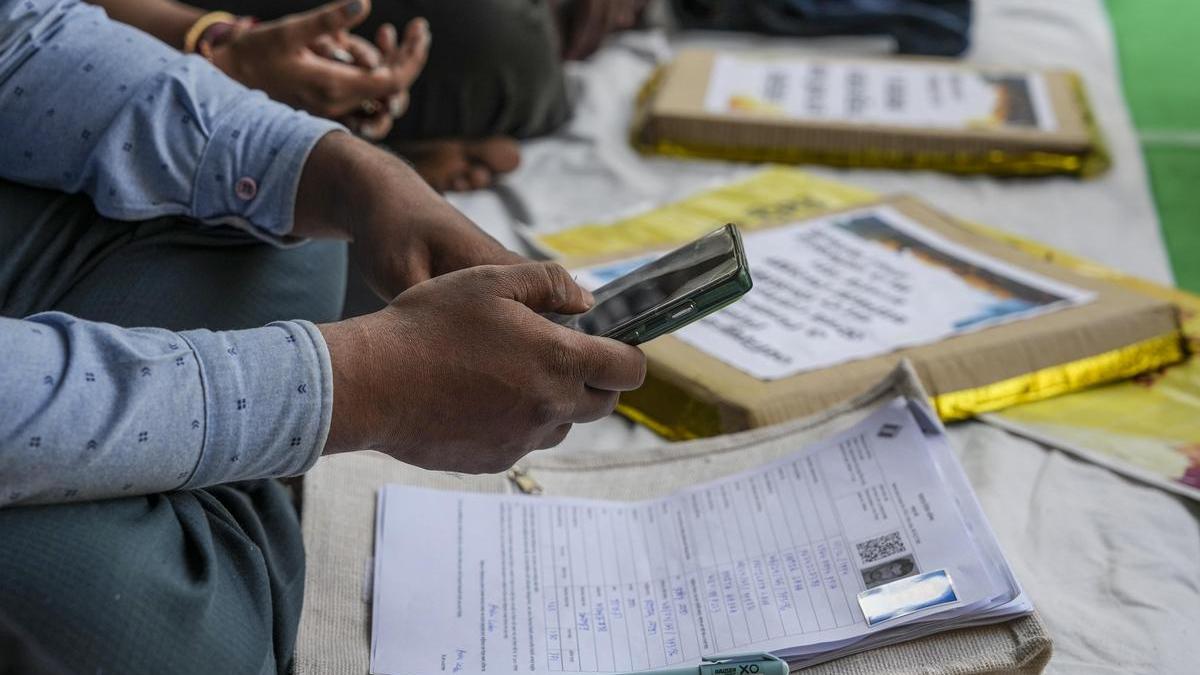
Under the directive, local police personnel and civic volunteers have begun visiting households and organizing community camps to examine individual cases of exclusion. Officers have asked affected residents to submit supporting documentation, including birth certificates, school records, land deeds, and Aadhaar cards. In several instances, personnel sought verification regarding whether individuals' parents were enrolled in historical electoral rolls.
The police operation has triggered immediate concern within administrative circles, as electoral roll maintenance is constitutionally entrusted to the Election Commission of India. Officials from the West Bengal Chief Electoral Officer's administration clarified that election authorities had neither authorized nor requested any parallel police verification drive. The clarification heightened questions regarding the statutory basis for the ongoing law enforcement inquiries.
The timing of the police action has raised alarms among civil rights advocates because thousands of excluded voters have already filed formal appeals before designated appellate tribunals. Under established electoral procedure, appeals against roll revisions must be adjudicated through statutory quasi-judicial channels rather than police scrutiny. Legal observers noted that administrative interventions during active appeal proceedings could complicate formal adjudication.
Opposition leaders and civil society groups have voiced sharp objections, accusing authorities of conducting an intimidating exercise that creates unnecessary apprehension among vulnerable residents. Political representatives questioned why law enforcement personnel were assigned to inspect citizenship-related papers outside any pending criminal inquiry. Critics warned that uncoordinated field visits could undermine public trust in official revision mechanisms.
Reports from multiple districts indicated that local police stations were instructed to compile constituency-level databases to track patterns in deletions. District superintendents and commissionerates were asked to monitor the documentation status of affected residents and coordinate findings with state-level command centers. The scale of the data-gathering effort points to an extensive administrative mapping process across regional jurisdictions.
The controversy has also entered the judicial sphere, with petitioners challenging the legality of police-led verification before the courts. Arguments presented by legal advocates emphasize that statutory election machinery alone possesses the mandate to evaluate voter qualifications and determine roll eligibility. Judicial forums have indicated that aggrieved parties may seek constitutional remedies before the High Court to clarify the boundaries of executive authority.
The Special Intensive Revision was designed to update and cleanse voter lists by eliminating duplicate, deceased, or relocated entries across the state. However, large-scale voter deletions frequently generate friction when legitimate electors find themselves omitted and must navigate cumbersome restoration protocols. The police intervention adds a layer of law enforcement involvement to what is traditionally an administrative electoral revision.
As district police continue compiling reports, legal observers and rights groups are monitoring whether judicial intervention will define or restrict the scope of the police verification drive. Administrative authorities have yet to issue a comprehensive public protocol outlining how the collected voter data will ultimately be processed or stored. For now, excluded residents awaiting tribunal decisions remain caught between administrative appeal procedures and police inquiries.
Primary source: Google News West Bengal. Newzly rewrites and structures source reporting for clarity; verify critical details at the original.