BJP Launches High-Level Strategy Workshop in Delhi Ahead of Upcoming Assembly Polls
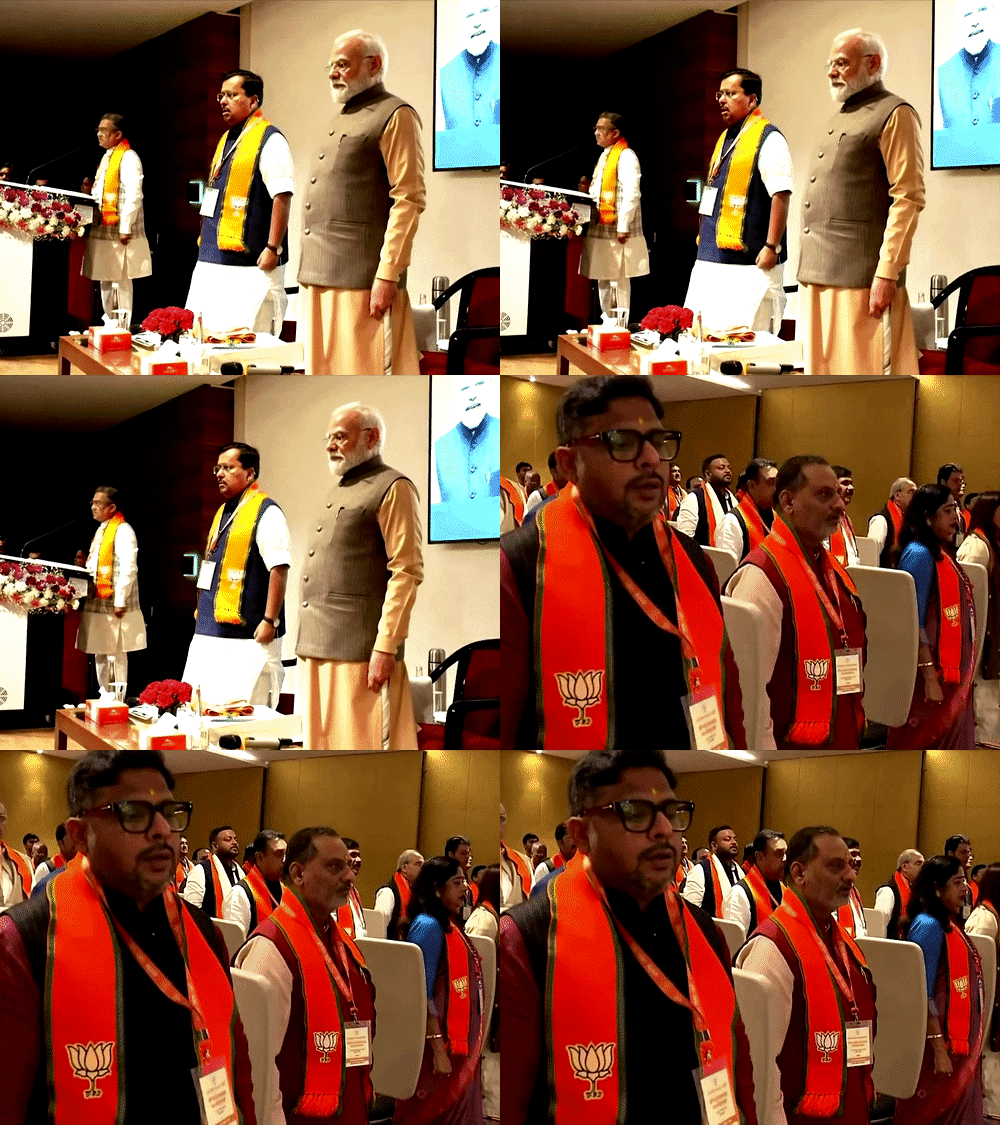
The Bharatiya Janata Party has convened a two-day national workshop in New Delhi to shape organizational strategy across five key working sessions, with Prime Minister Narendra Modi and senior leaders taking part.
In this piece
The Bharatiya Janata Party has launched a high-level two-day organizational workshop in New Delhi to outline its political roadmap and electoral strategy across…
The Bharatiya Janata Party has commenced an intensive two-day strategic workshop in New Delhi, bringing together top organizational leaders and state representatives from across the country. The high-level conclave, structured across five thematic sessions, is designed to evaluate party readiness and establish comprehensive roadmaps for upcoming electoral challenges. Leaders gathered to assess organizational strength, cadre discipline, and strategic priorities heading into the next political cycle.
Prime Minister Narendra Modi and senior party figures, including Nitin Nabin, joined the gathering alongside national office-bearers and state-level functionaries. The meeting includes party presidents, regional in-charges, and organizational general secretaries tasked with executing party directives on the ground. Participants are taking part in closed-door discussions intended to review administrative functioning and coordination across various state units.
The workshop agenda has been segmented into five distinct working modules that address critical aspects of political management and strategic communication. Organizers have set aside specific sessions for localized political reviews as well as nationwide organizational assessments. These sessions allow the leadership to systematically analyze recent trends, address operational bottlenecks, and fine-tune internal working mechanisms.
A primary driver behind the timing of the Delhi gathering is the strategic imperative to prepare for upcoming state legislative assembly elections. Senior party planners are laying the groundwork well in advance, aiming to secure an early advantage across crucial battleground states. Rather than relying on late campaign mobilization, the central leadership is focusing on sustained, long-term organizational preparedness.
Strengthening booth-level machinery remains one of the core subjects under deliberation throughout the conclave. Party functionaries are being instructed to fortify local network structures and ensure that ground-level workers remain actively engaged with voters. Strategists emphasize that maintaining consistent, neighborhood-level contact is essential for identifying community concerns and driving voter turnout during elections.
Another significant component of the sessions focuses on policy messaging and the widespread dissemination of central welfare programs. Leaders are discussing targeted strategies to communicate developmental achievements to grassroots beneficiaries across diverse demographics. Functionaries are examining practical ways to counter competing regional narratives while highlighting institutional governance milestones achieved by the central government.
The workshop also serves as an important interactive forum for regional leaders to provide direct, unfiltered feedback to the central command. State in-charges are presenting detailed situational updates regarding localized political realities, organizational health, and coordination with allied groups. These insights are intended to help national decision-makers tailor their broader political strategies to address unique state-level dynamics.
Political observers view these high-level organizational retreats as a hallmark of the party's institutional approach to continuous electoral readiness. By systematically auditing organizational capacities months ahead of scheduled polls, the party aims to resolve internal friction and maintain structural alignment. The structured format enables senior leadership to set uniform standards and accountability benchmarks across all regional party branches.
Following the conclusion of the two-day workshop in the national capital, participants are slated to carry the central directives back to their respective state and district headquarters. The focus will subsequently shift to operationalizing the strategic blueprints developed in Delhi through localized training and cadre outreach programs. Party observers anticipate that the outcomes of these five sessions will shape the organization's political posture as it confronts high-stakes assembly battles in the months ahead.
Primary source: Divya Bhaskar National. Newzly rewrites and structures source reporting for clarity; verify critical details at the original.