Why Mississippi's Razor-Thin Senate Race Cannot Trigger a Traditional Recount
With a razor-thin margin in the Mississippi Senate race, state law offers no automatic recount or administrative petition process, leaving any formal dispute strictly in the hands of the courts.
In this piece
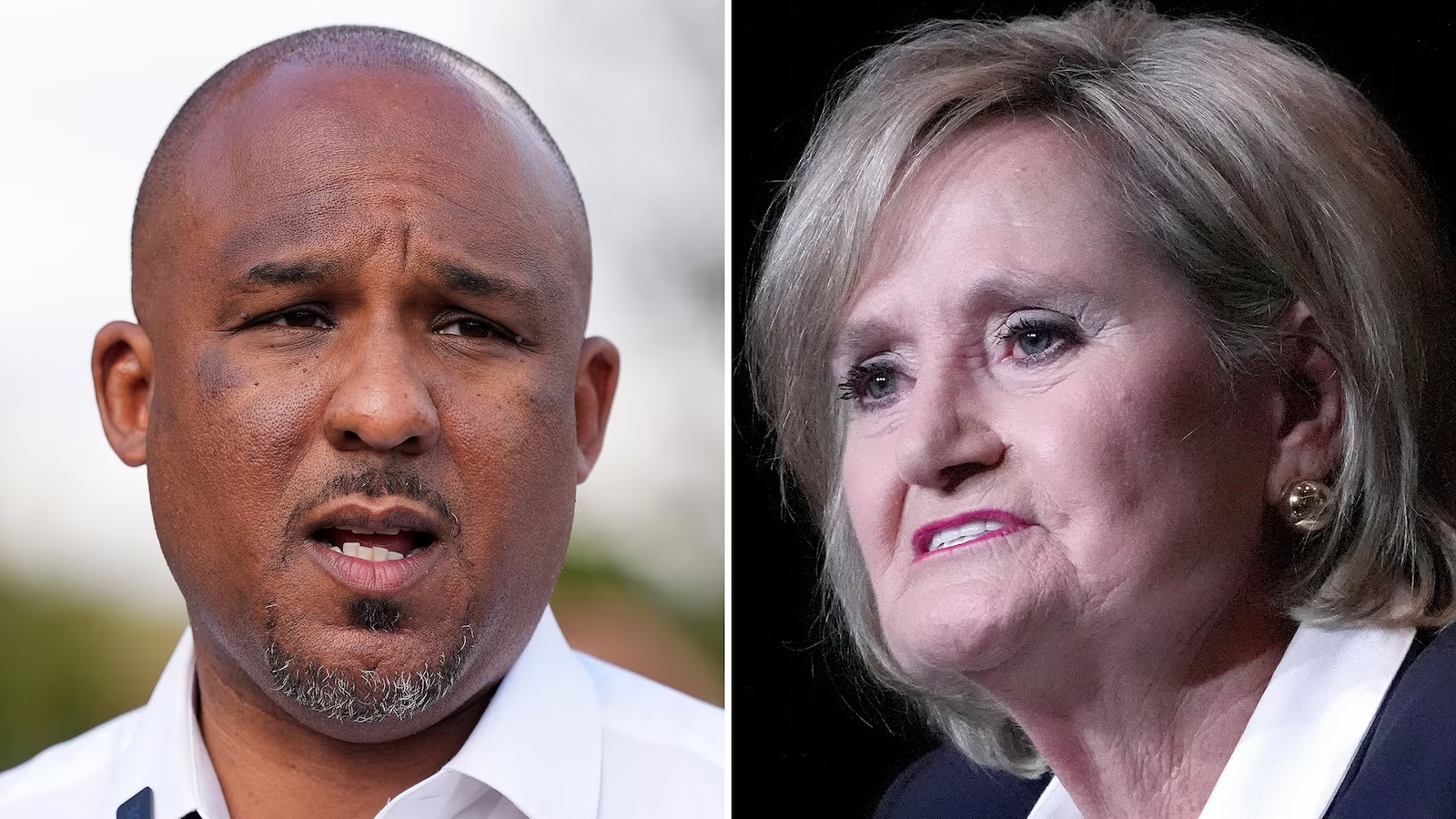
A razor-thin margin in the Mississippi U.S. Senate race between Cindy Hyde-Smith and Scott Colom has drawn national attention to the state's unique election…
A razor-thin margin in the Mississippi U.S. Senate election between Republican incumbent Cindy Hyde-Smith and Democratic challenger Scott Colom has thrust the state into an unusual national spotlight. While narrow margins in most states quickly trigger an automatic recount or a straightforward administrative recount petition, Mississippi operates under a vastly different legal framework.
Mississippi stands as the only state in the country that has no statutory provision for administrative recounts in statewide or federal elections. Election officials and legal scholars note that regardless of how close the final vote tally turns out to be, state statutes neither mandate an automatic recount nor allow a trailing candidate to request one.
Under Mississippi law, any formal recount or election contest must move directly through the judicial system. A candidate seeking to alter or challenge the outcome cannot simply point to a narrow margin, but must instead initiate a formal lawsuit backed by documented evidence of voting irregularities, fraud, or administrative defects.
Candidates do possess a limited procedural tool known under state statutes as a ballot box examination. However, this inspection can only occur after county election commissions have completed their official certification, permitting candidates or their authorized representatives to review sealed ballot materials and physical returns to identify actionable discrepancies.
Because there is no automatic recount trigger to resolve narrow outcomes, the immediate battle has centered on the processing of outstanding ballots across Mississippi's 82 counties. Election boards have focused on reviewing affidavit ballots cast by voters whose eligibility could not be immediately verified on Election Day due to registration questions or identification issues.
Mail-in absentee ballots have also drawn heightened attention under the state's postmark regulations. Mississippi law permits absentee ballots to be tallied if they are postmarked on or before Election Day and delivered to local election offices within the statutory post-election window, prolonging the timeline before definitive totals emerge.
With control of the chamber heavily influenced by every single seat, national political parties, legal advocacy groups, and campaign observers have mobilized across the state. Partisan representatives are closely monitoring county-level canvassing and verification sessions to ensure every eligible vote is counted and to preserve potential legal challenges.
The absence of a statutory recount process highlights long-standing debates regarding the modernization and clarity of Mississippi election law. Voting rights observers emphasize that resolving razor-thin statewide margins through protracted litigation rather than standardized administrative audits creates prolonged uncertainty for the electorate and places exceptional pressure on local election commissioners.
As county officials complete their canvassing ahead of state certification deadlines, both campaigns are weighing their next procedural steps. If the final margin remains extraordinarily tight once all affidavit and mail ballots are certified, the contest is expected to shift to judicial chambers or face potential scrutiny under federal constitutional authorities governing congressional elections.
Primary source: Google News Mississippi. Newzly rewrites and structures source reporting for clarity; verify critical details at the original.