Why Zelda Fans Drawn to Ocarina of Time Should Revisit A Link to the Past
A retrospective examination of Nintendo's classic catalog highlights how The Legend of Zelda: A Link to the Past established the essential structural and narrative blueprint later popularized in 3D by Ocarina of Time.
In this piece
A recent retrospective by Polygon revisits The Legend of Zelda: A Link to the Past, noting that many of Ocarina of Time's most memorable moments originated on…
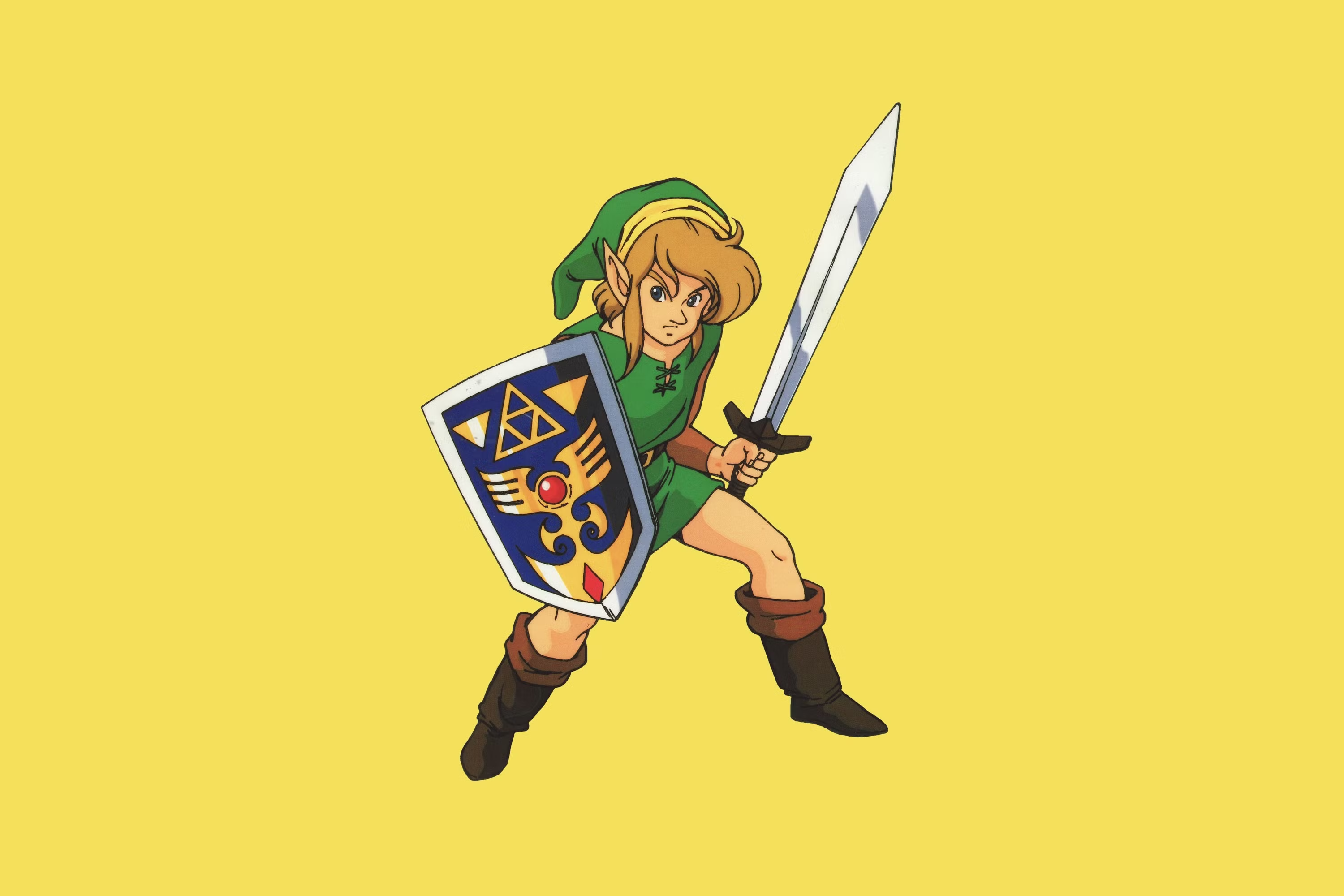
Video game retrospective coverage highlighting Nintendo's historic catalog has renewed focus on the architectural roots of the Zelda franchise, pointing players who celebrated The Legend of Zelda: Ocarina of Time back toward its direct 16-bit predecessor. A recent retrospective published by gaming outlet Polygon argues that many of the defining elements and memorable storytelling beats associated with the 1998 Nintendo 64 classic were already vividly realized in The Legend of Zelda: A Link to the Past.
Released in 1991 for the Super Nintendo Entertainment System, A Link to the Past established the narrative structure and mechanical cadence that governed Nintendo's action-adventure design for generations. The retrospective notes that while Ocarina of Time famously transitioned Hyrule into 3D space, several of its most dramatic narrative flourishes mirrored the foundational beats established on the Super Nintendo.
Central to this connection is the dual-world concept, which became a signature mechanic across both eras of Nintendo hardware. In A Link to the Past, players navigated between the standard Light World and a corrupted Dark World, altering terrain and solving interconnected puzzles across two parallel versions of Hyrule. When Ocarina of Time arrived seven years later, it adapted this exact structural formula by shifting Link seven years into an apocalyptic future.
The progression sequence leading up to claiming the Master Sword also represents an unambiguous throughline between the two releases. Players in A Link to the Past were tasked with clearing three distinct introductory dungeons to gather mystical pendants before extracting the blade from its forest grove. Ocarina of Time followed this structural blueprint precisely, sending players across three regional temples to collect spiritual stones before unveiling the Temple of Time.
Beyond structural similarities, Polygon emphasizes that the 16-bit title tackled emotional weight and environmental storytelling with remarkable sophistication for its era. The opening sequence, featuring a desperate rescue mission through torrential rain accompanied by telepathic pleas from Princess Zelda, set an unusually cinematic standard for early 1990s console gaming. That immediate sense of urgency established a dark, stakes-driven atmosphere that reappeared when Nintendo introduced a devastated castle town in Ocarina of Time.
The retrospective framing arrives at a time when modern players frequently enter the classic franchise through 3D landmarks or recent open-world entries like Breath of the Wild and Tears of the Kingdom. For audiences whose appreciation begins with three-dimensional movement, the earlier top-down entries can sometimes be overlooked despite serving as the functional blueprints for later milestones. Analyzing these creative lineages demonstrates how thoroughly Nintendo iterated upon proven ideas rather than inventing them from scratch.
Industry observers frequently cite this evolutionary continuity when examining the long-term longevity of Nintendo's core intellectual properties. Rather than discarding earlier design documents, the development teams routinely translated established two-dimensional spatial puzzles directly into polygonal environments. The shift to three dimensions solved camera and perspective challenges while preserving the essential rhythm of exploration, dungeon navigation, and item progression.
Accessibility for legacy titles has also expanded significantly through subscription ecosystems and dedicated emulation channels. Players interested in exploring the heritage between both releases can access A Link to the Past and Ocarina of Time via the Nintendo Switch Online service. As retro gaming discussions continue to unpack the history behind classic franchises, critical retrospectives reinforce the enduring relevance of foundational 16-bit titles for contemporary enthusiasts.
Primary source: Polygon. Newzly rewrites and structures source reporting for clarity; verify critical details at the original.