Wired names Aura, Skylight, and Amazon in 2026 digital photo frame guide
Wired has published a 2026 buyer’s guide to digital photo frames, saying the category is more crowded than ever and pointing to Aura, Skylight, and Amazon after years of testing.
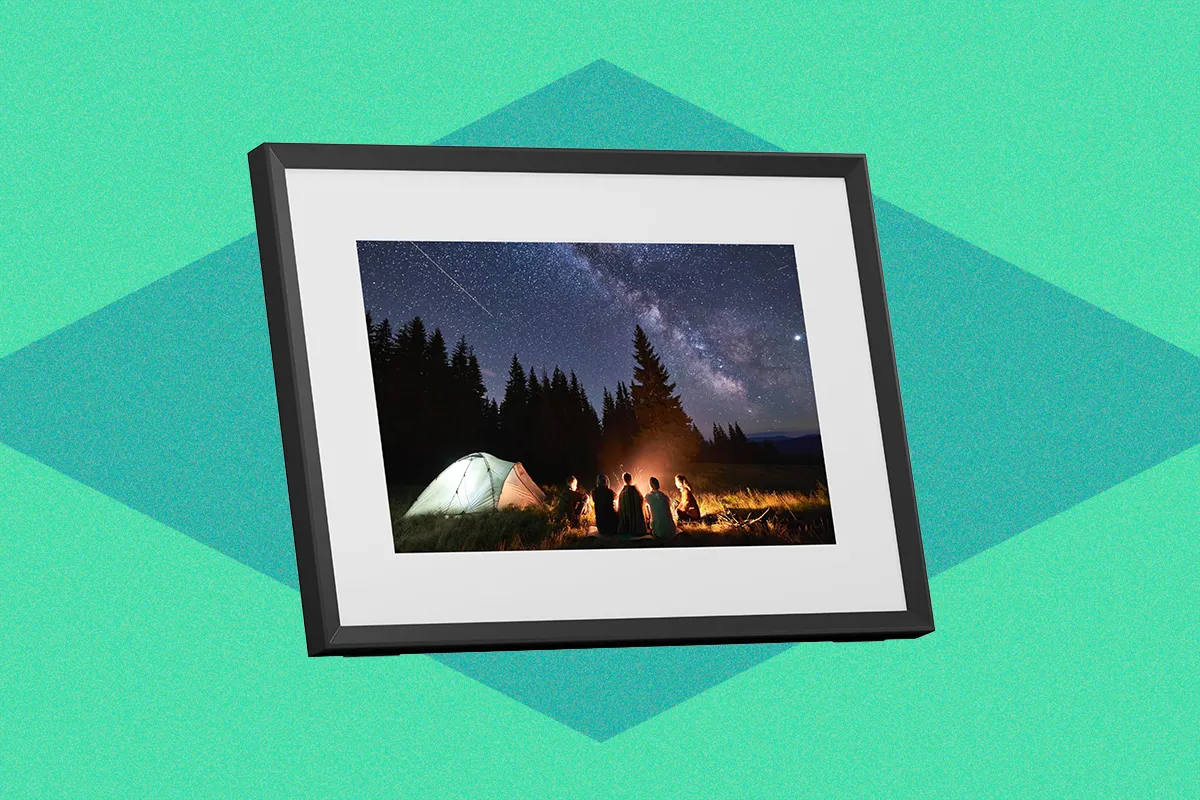
In this piece
Wired’s latest guide highlights Aura, Skylight, and Amazon digital photo frames as the models it would buy. The magazine says shoppers now face more options…
Wired has published a 2026 roundup of digital photo frames, telling readers the category is more crowded than ever and naming Aura, Skylight, and Amazon among the products it would buy after years of testing.
The story, titled “Best Digital Photo Frames (2026): Aura, Skylight, Amazon,” is a consumer buyer’s guide. In the summary released with the piece, Wired does not list prices, screen sizes, rankings, or lab measurements. It presents the selection as a shortlist shaped by extended use.
Digital photo frames are dedicated screens built to show still images, often pictures sent from a phone by relatives who live elsewhere. The format has persisted alongside smartphones and tablets because it puts photographs on a shelf or wall without requiring someone to open another app.
Aura, Skylight, and Amazon are the three names Wired places in the headline. The text available with the story does not say how the magazine divided those brands by price, features, or room size. The headline functions as a pointer to the full guide rather than a finished scorecard.
The guide matters because Wired itself describes a crowded field. When many frames look similar at a glance, a short list from a long-running technology magazine can narrow the choice for people who do not want to compare every app, frame size, and sharing setup on their own.
The “years of testing” line is Wired’s description of its own work. The source text provided for this article does not include a methodology, a sample of models beyond the headline names, or notes on what failed. Claims about color accuracy, app reliability, subscriptions, or privacy settings would go beyond that text.
Amazon’s place in the headline sits beside two specialist frame brands, Aura and Skylight. Both specialist names are widely associated with frames meant to be given as gifts and updated remotely. Without the full review, it is not possible to say which option Wired favors for a particular budget or household.
People comparing frames usually weigh how easily someone else can send a photo, whether the device needs an ongoing fee, how large the screen is, and whether the object looks like furniture. Those are ordinary questions in the category. They are not findings this article can attribute to Wired’s tests.
Photo sharing is already split across messaging apps, cloud libraries, and social networks. A dedicated frame is a narrower product, aimed at households that want a standing display rather than another screen they must unlock. Wired’s guide is written for that narrower decision.
What comes next depends on the full article. Readers who need model-by-model detail will have to consult Wired’s guide itself. This report includes no sales figures and no responses from Aura, Skylight, or Amazon. The firm takeaway from the available text is the magazine’s shortlist, offered after what it calls years of testing in a busier market.
Primary source: Wired. Newzly rewrites and structures source reporting for clarity; verify critical details at the original.