Yamuna 60% Clean and Water Safe to Drink, Entire River to Be Revived by 2030, Says Delhi Minister Sirsa
Delhi Minister Sirsa claimed that 60 percent of the Yamuna is now completely clean and safe to drink, urging citizens to inspect the river as authorities target full restoration by 2030.
In this piece
Delhi Minister Sirsa announced that 60 percent of the Yamuna river is now clean enough to drink, setting a 2030 deadline for the complete rejuvenation of the…
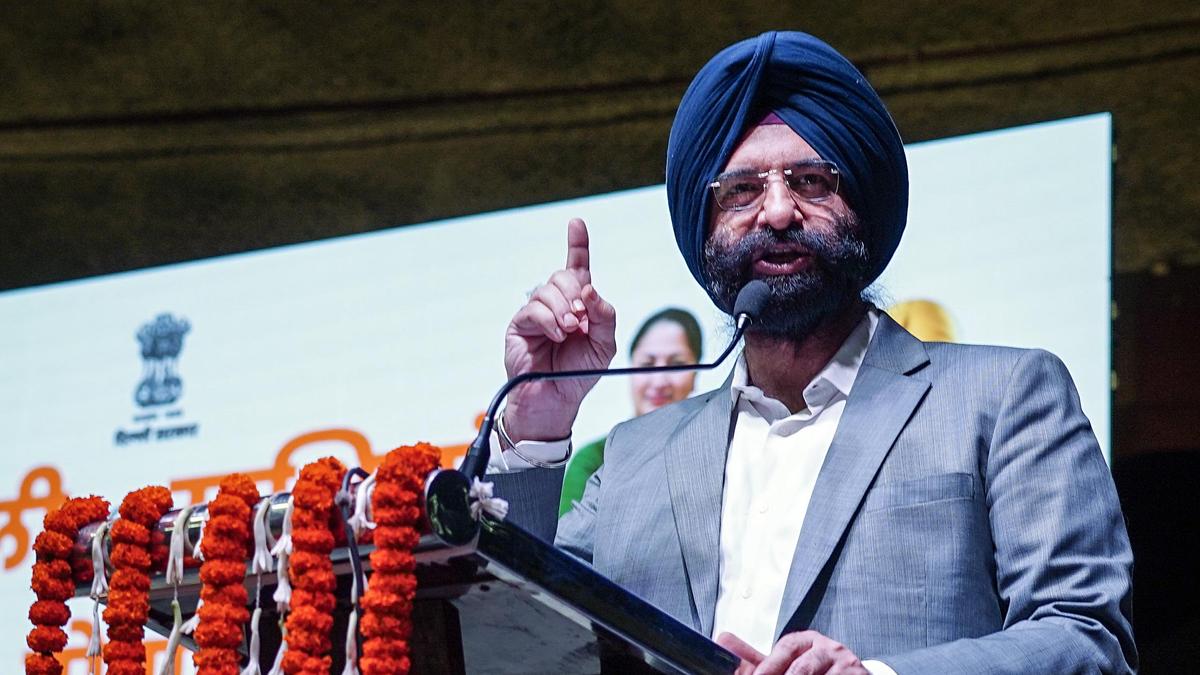
Delhi Minister Sirsa has announced that 60 percent of the Yamuna river is now completely clean, claiming that the water has reached a level of purity where it is safe enough to drink. Outlining the regional government's environmental vision, the minister asserted that comprehensive restoration work is actively progressing. He set a firm deadline of 2030 for the entire stretch of the river to be fully cleaned and revived.
Highlighting what he described as a visible transformation, the minister urged residents and observers to visit the river and witness the improvements firsthand. According to reports by The Hindu, Sirsa emphasized that personal inspection would demonstrate the scale of the ongoing cleanup. His remarks placed public verification at the center of the administration's claims regarding river rejuvenation.
The Yamuna has long been recognized as a critical ecological lifeline for Delhi, yet it has suffered from severe environmental degradation for multiple decades. As the river traverses the national capital, it has historically received massive volumes of untreated domestic wastewater, industrial discharges, and urban solid waste. These cumulative inflows severely depleted dissolved oxygen levels and reduced major stretches to heavily contaminated drains.
To counteract the persistent contamination, successive authorities have introduced numerous multi-phase conservation action plans and modern wastewater treatment projects across the capital. Significant public capital has been allocated to expanding sewage treatment plants, laying extensive interceptor sewer lines, and trapping polluted tributaries before they discharge into the river. Despite these extensive efforts, achieving uniform ecological recovery across the entire urban basin has proven to be an enduring governance challenge.
The minister's declaration that river water is now clean enough to drink introduces a remarkably high bar for environmental recovery. In scientific and public health standards, drinking water requires rigorous parameters, including near-zero fecal coliform counts, healthy biological oxygen demand, and the complete absence of heavy metals or toxic chemical residues. Consequently, such assertions naturally invite heightened interest in regular empirical testing and transparent water quality data.
Ecological experts and civic monitors have consistently noted that surface waters in densely populated metropolitan corridors face perpetual threats from stormwater runoff and intermittent drain leakages. While tangible reductions in floating debris, visible surface foam, and foul odors represent positive engineering milestones, ensuring sustained microbiological safety requires continuous scientific validation. Independent verification across diverse weather patterns and seasonal river discharge levels remains vital before water can be deemed potably safe.
A revived Yamuna river holds enormous significance for the regional ecology, urban climate resilience, and public health of millions living in Delhi and downstream territories. The river system feeds local aquifers, sustains fragile riparian ecosystems along its floodplains, and supports downstream communities dependent on water for agriculture and daily use. Curbing pollution and maintaining ecological flow are therefore essential components of the capital's long-term environmental sustainability.
Meeting the minister's projected target of a fully cleaned river by 2030 will require uncompromising coordination across civic bodies, complete treatment of all municipal effluents, and zero discharge from industrial sectors. As the city approaches this decadal benchmark, independent environmental assessments and municipal monitoring will be pivotal in measuring genuine progress. The coming years will demonstrate whether the reported improvements can be sustained and expanded across the entire expanse of the waterway.
Primary source: The Hindu. Newzly rewrites and structures source reporting for clarity; verify critical details at the original.