China's Shenzhou-24 carries Pakistan's first astronaut, BBC reports
Muhammad Zeeshan Ali, a former fighter pilot, has become Pakistan's first astronaut and the first foreigner aboard a Chinese crewed space mission, according to BBC Science.
In this piece
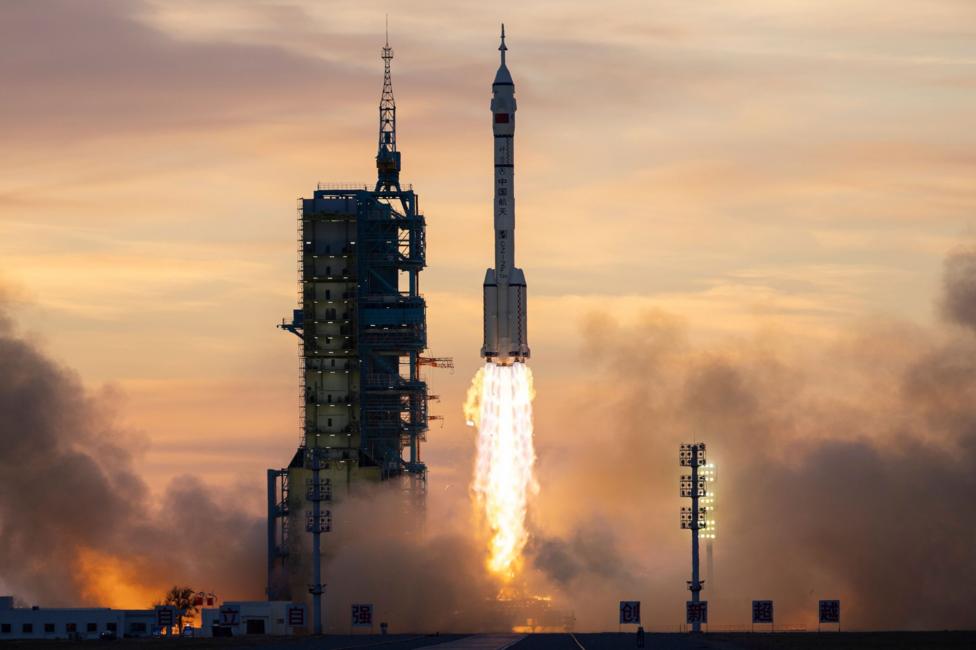
China's Shenzhou-24 has carried Muhammad Zeeshan Ali into space, according to BBC Science. The report identifies the former fighter pilot as Pakistan's first…
China's Shenzhou-24 has carried Pakistan's first astronaut into space, according to a BBC Science report identifying him as Muhammad Zeeshan Ali, a former fighter pilot. The report describes Ali as the first foreigner to join a Chinese crewed space mission, making his flight a milestone beyond Pakistan's own participation in spaceflight.
The account places two distinct firsts at the center of the mission: Pakistan having an astronaut in space and China carrying a foreign national on a crewed flight. Those milestones concern who is taking part, rather than a new spacecraft capability or a scientific result announced in the supplied report.
Ali's background as a former fighter pilot is the only professional history provided in the source material. It does not give details of his selection, astronaut training or assigned responsibilities aboard Shenzhou-24, so a fuller account of his transition from aviation to spaceflight cannot be established from the available information.
For Pakistan, the reported flight represents a first instance of one of its astronauts reaching space. That distinction is separate from operating the spacecraft or launching an independent crewed mission: the report identifies Shenzhou-24 as a Chinese mission carrying a Pakistani participant, not as a Pakistani-operated flight.
For China's crewed space program, the significance described by the BBC lies in the inclusion of a foreign crew member. Carrying an astronaut from another country introduces an international dimension to the crew itself, although the supplied material does not explain the arrangements governing Ali's participation or indicate whether similar flights will follow.
The distinction between participation and a broader partnership is important when assessing what the mission means. A first flight can be a notable national achievement without, by itself, establishing the scale of future cooperation, the scope of shared research or another country's access to later missions; those questions remain outside the details provided.
The brief report also leaves the mission's operational outline unspecified, including its launch date, planned duration, destination and the identities of Ali's fellow crew members. Without those details, the available account supports a report on the stated milestone rather than a comprehensive description of the flight's timetable, objectives or progress.
Further reporting would be needed to establish Ali's activities during the mission and the schedule for his return. For now, the BBC account frames Shenzhou-24 around the Pakistani astronaut's arrival in space and his reported status as the first foreign participant in a Chinese crewed mission, with any longer-term implications still to be established.
Primary source: BBC Science. Newzly rewrites and structures source reporting for clarity; verify critical details at the original.