COP31 Ends Without Agreement as Climate Talks Collapse in Antalya
UN climate talks in Antalya concluded without a consensus agreement after fierce clashes over fossil fuel phase-outs and climate finance derailed negotiations, marking the first failed summit in two decades.
In this piece
The COP31 climate conference in Turkey ended in deadlock as nations failed to reach consensus on fossil fuel phase-outs and climate finance. It marks the first…
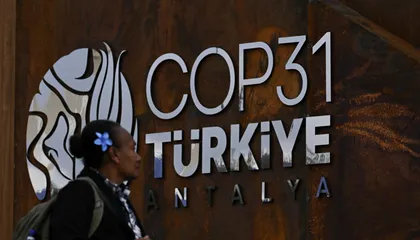
The COP31 United Nations Climate Change Conference in Antalya, Turkey, has concluded without a negotiated consensus agreement after international talks collapsed over the weekend. Deep-seated disputes over fossil fuel phase-out language and financial support for developing countries ultimately derailed the negotiations. The failure marks the first time in more than two decades that an annual UN climate summit has adjourned without adopting a central political declaration.
The diplomatic impasse capped two weeks of fraught negotiations among delegates from nearly two hundred nations. Tensions were heightened by the absence of an official state delegation from the United States, which left negotiating blocs to navigate contentious debates without federal representation from the world's historically largest emitter. Subnational American representatives and members of Congress attended the summit, but their presence could not bridge the overarching political divides.
At the heart of the deadlock was a familiar confrontation regarding the future of coal, oil, and natural gas. Countries on the frontlines of climate impacts, alongside several progressive negotiating blocs, insisted on firm and accelerated timetables to eliminate fossil fuels. However, major fossil fuel-producing states strongly resisted binding phase-out targets, arguing that national energy security and economic stability required flexibility.
Financial negotiations proved just as fractious, with developing countries reiterating calls for trillions of dollars to help them transition to clean energy and rebuild after climate-induced catastrophes. Wealthier donor nations, facing domestic budgetary constraints and shifting political priorities, balked at mandatory funding spikes. Without agreement on who would pay for adaptation and mitigation, the final ministerial meetings unraveled.
Despite the failure to deliver a formal treaty, several peripheral initiatives and sectoral targets were advanced on the summit sidelines. Co-hosts Turkey and Australia rallied nations behind a push to raise electricity's share of global energy consumption to 35 percent by 2035, compared to approximately 23 percent today. Analysts observed, however, that current national policy trajectories remain on course to achieve only around 28 percent electrification within that timeframe.
Debates over technological remedies also generated friction as negotiators confronted the growing likelihood of overshooting the Paris Agreement's 1.5-degree Celsius warming threshold. Several draft documents floated aggressive targets for carbon dioxide removal and carbon capture, utilization, and storage systems. Climate justice advocates strongly pushed back, arguing that such technologies have a troubled performance history and risk serving as a loophole to prolong fossil fuel extraction.
The summit also turned attention to the rapid expansion of artificial intelligence and its soaring electricity and water demands. While participants introduced voluntary initiatives such as the Antalya AI Pledge to encourage greener data center operations, observers criticized the measure for lacking enforcement mechanisms. Without mandatory regulations, critics warned that burgeoning technological infrastructure will continue to strain already overburdened regional power grids.
Mounting frustration among climate activists and developing nations culminated in escalated calls for the polluter-pays principle to be codified into global climate policy. Demonstrators and civil society leaders urged governments to eliminate fossil fuel subsidies and levy dedicated taxes on oil and gas profits to fund recovery funds. They argued that holding corporate polluters financially accountable is essential if multilateral funding mechanisms fail to deliver.
The dramatic collapse of negotiations in Antalya leaves international climate diplomacy facing a crisis of confidence as nations look toward future UN sessions. Without a unifying consensus document, global climate action will increasingly rely on regional alliances, voluntary pledges, and domestic policy choices. Diplomats now face the arduous challenge of restoring trust among member states and establishing common ground before the next round of formal negotiations.
Primary source: Smithsonian Magazine. Newzly rewrites and structures source reporting for clarity; verify critical details at the original.